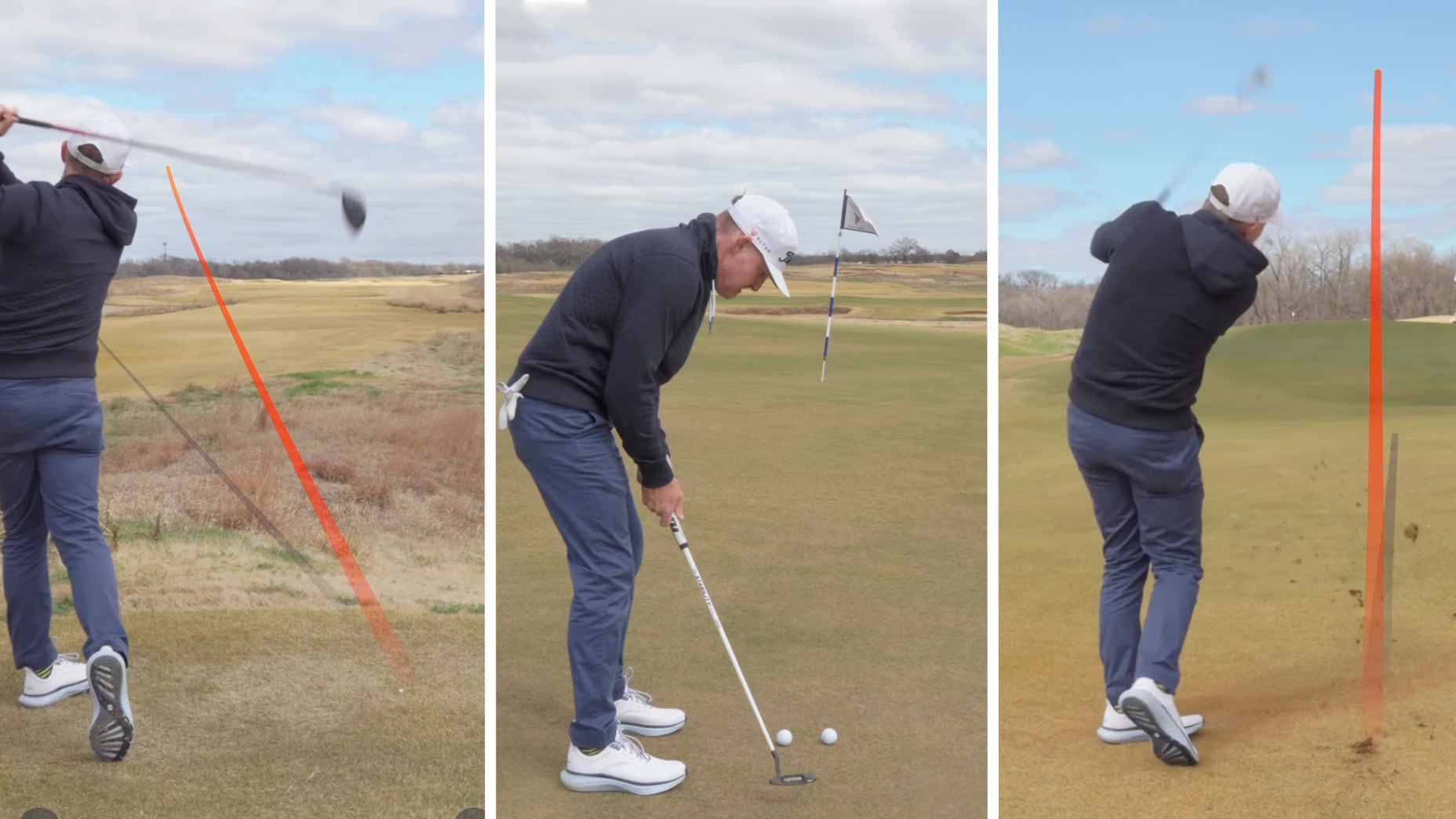


Master your downswing with confidence
Improving your golf game often hinges on mastering the intricacies of your swing, particularly the downswing. For many golfers, from amateurs to seasoned players, the downswing represents both a critical juncture and a frequent stumbling block. However, by focusing on three essential components—drop it, twist it, and throw it—you can enhance your performance and begin building a textbook swing.
Key takeaways
- Master the downswing by focusing on three key steps: drop it, twist it, and throw it.
- A proper downswing sets the tone for solid contact with the ball, impacting distance and accuracy.
- Understanding body mechanics and creating synergy between core movements can improve your overall swing.
- These techniques can enhance your control over the clubface at impact, significantly improving your shots.
- Focus on gradual practice to ensure these techniques become second nature in your game.
Context and background
The downswing in golf is arguably one of the most pivotal aspects of the game. It acts as the transition where the stored energy built during the backswing is unleashed, leading to a powerful shot. Traditionally, golfers struggle with their downswing as many vastly underestimate its importance, leading to inconsistent ball striking and performance. According to swing analysis data, a proper downswing can result in an increase of up to 10% in driving distance, putting players at a significant advantage. Furthermore, recent studies indicate that nearly 50% of amateur golfers experience difficulties in their downswing mechanics, which typically stems from a lack of understanding of correct body movements and timing.
Building blocks of an effective downswing
To construct a reliable and effective downswing, let’s unpack the three crucial steps: drop it, twist it, and throw it.
The first step, **drop it**, involves the subtle motion of lowering your hands and arms as you begin to swing down. This action is critical for maintaining a smooth and consistent transition from top to bottom. Instead of forcing the swing down with aggressive muscular effort, golfers should focus on allowing gravity to assist in the arms’ descent. This maintains the body's rhythm and prevents any jerky movements that can lead to errant shots. Many instructors recommend thinking of it as dropping a heavy object; it should feel natural and fluid, not forced.
Next comes the **twist it** phase. Here, the emphasis is on the torso and hips as they initiate the downswing movement. A well-coordinated twist engages the core muscles and allows for maximum torque. This rotational movement ensures that the energy generated in the backswing is efficiently transferred into the downswing. A crucial aspect of this phase is to allow your upper body to react to the movement of the lower body. By pivoting from your hips and turning your shoulders, you not only enhance your swing speed but also maintain accuracy.
Finally, the last step, **throw it**, encapsulates the feeling of releasing the clubhead through the impact zone. Think of this as the termination of the motion you’ve been building through the previous steps. This action should occur naturally as the swing accelerates through impact. It's essential to avoid tensing up at the moment of contact, which could lead to mishits or pushes. Instead, golfers are encouraged to visualize the clubhead flying through the ball as if throwing it towards the target. This mental picture helps maintain fluidity and promotes better timing.
In their own words
"The downswing is where everything comes together. If you focus on these three steps, you’ll notice a tangible difference in your shots—all three matters to ensure you hit it clean every time."
— Top golf instructor
"I used to struggle with my downswing, but once I learned to drop it and let my body do the work, my game improved significantly. It's all about that smooth transition."
— Amateur Golfer
What this means for golfers
Understanding and mastering these three steps in your downswing can significantly impact your overall game. Recreational golfers often get caught up in forceful swings or incorrect mechanics, which can lead to frustration and poor results. By integrating the drop-twist-throw technique into your practice routine, you can establish a more grounded approach that fosters accuracy and distance.
When considering equipment, athletes should pay attention to their clubs' weight and balance, as they can amplify the effects of a well-executed downswing. Given that a lighter club can help an athlete maintain a more fluid motion during the throw phase, it may be beneficial to experiment with different balances and weights during practice.
What’s next
Looking ahead, golfers aiming to improve their game will benefit greatly from focusing on their downswing as the golf season unfolds. Many local competitions and club championships are around the corner, making it a prime time to practice these techniques. Players who commit to refining their downswing could discover an edge over their competition, not only enhancing personal satisfaction with their performance but also setting themselves up for potential victories. Incorporating coaching clinics or watching professional players utilize these steps may provide valuable insights. With these structured techniques, golfers are well on their way to achieving a notable improvement in their swings.