Introduction
When it comes to professional golf, the ability to execute the right shots consistently can mean the difference between victory and defeat. Among the elite players on tour, there’s no shortage of technical skill, but behind their success lies a deep understanding of crucial shots that serve as their lifelines. According to Cameron McCormick, a renowned GOLF Top 100 Teacher and coach to major champion Jordan Spieth, there are three fundamental shots every tour professional relies on to navigate the course effectively.
Key takeaways
- Cameron McCormick identifies three essential shots that all tour players master.
- These shots cover critical aspects of the game, including approach, recovery, and putting.
- Understanding and practicing these shots can enhance performance for amateur golfers.
- McCormick emphasizes the strategic importance of shot selection and execution.
- These fundamentals are not only crucial on tour but also applicable to recreational golfers.
Context and background
The art of shot-making in golf is an age-old tradition that has evolved alongside the game itself. Historical figures such as Bobby Jones and Ben Hogan were revered not only for their incredible ball-striking but also for their strategic approach to different game situations. Fast-forward to modern times, and the key shots in a golfer's repertoire remain integral to success. Statistics show that on the PGA Tour, a player who can consistently execute critical shots reduces scores and improves their competitive edge. Players like Spieth have showcased this, winning major tournaments through a combination of foundational skills and expert shot-making.
Mastering the essentials: The three shot types
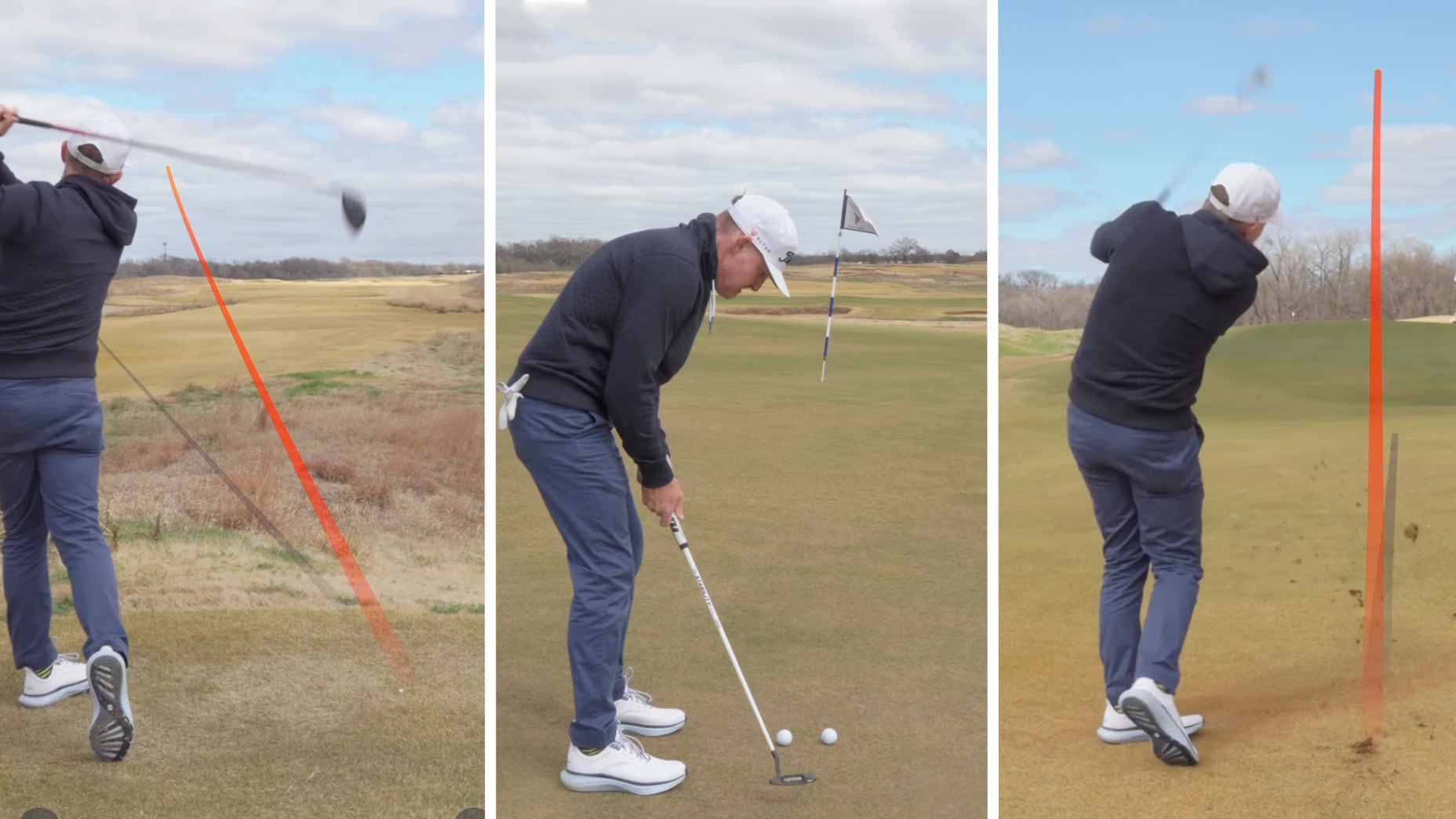
According to McCormick, the three shots every tour pro leans on are the full swing, short game recovery, and the crucial putt. Each of these shots serves a distinctive function within the round, requiring both a technical mastery and a strategic mindset.
The first shot type, the full swing, often comes to mind when thinking of tour players. This encompasses all of the different aspects of a full swing, including driving off the tee, iron shots into greens, and the ability to shape shots around doglegs and hazards. McCormick emphasizes that certain players are renowned for their ability to control the ball's trajectory, allowing them to adapt to changing conditions on the course.
The second, short game recovery, highlights the importance of getting up and down from around the greens. McCormick observes that this is where many amateurs struggle, yet it is also where professionals shine. The ability to execute delicate chips and challenging bunker shots can often save a round and are skills that separate the elite from the average. Shots around the green are often the most decisive in maintaining momentum during a round.
Lastly, the putt—a shot that can elevate a player's game or significantly hinder it. McCormick notes, “Putting is the final piece of the puzzle. It’s vital to have the ability to read the green, understand speed, and maintain composure under pressure.” Tour pros constantly practice their putting, recognizing that even the best approach shots can be rendered moot without a solid putting performance.
In their own words
"Golf is a game of decisions. Understanding which shots to select and refining them to perfection is what separates us on tour from the recreational players."
— Cameron McCormick
"My short game has saved me more rounds than I can count. Those crucial chips and putts can truly change the course of a tournament."
— Jordan Spieth
What this means for golfers
For amateur golfers looking to elevate their game, focusing on these three key shots can significantly enhance performance on the course. It’s essential to practice full swings focused on distance control and accuracy, refine short game skills through dedicated chipping and pitching practice, and develop a reliable putting routine that accommodates slow and fast greens alike. Equipment also plays a crucial role; investing in quality wedges and putters can drastically improve these areas. Moreover, incorporating drills that challenge precision and adaptability will yield tangible results.
What's next
As golfers inch closer to summer tournaments, understanding and practicing these vital shots will be key for enhancing performance. For recreational players who aspire to compete, watching how professionals implement these strategies during upcoming tournaments, including majors and tour events, will provide invaluable insights into practical applications on the course. Coaches, such as McCormick, will continue to highlight the importance of these fundamental shots, ensuring that players from all levels are equipped with the skills necessary for success.

/https%3A%2F%2Fcdn.pijper.io%2F2026%2F06%2FRkUgIHk3UBT3tw1781080975.jpg)