

Intro
Aim and alignment are two cornerstones of a successful golf swing, yet they are often overlooked by both beginners and seasoned players. Without these essentials in check, even the most powerful swings can lead to errant balls. This article outlines five key factors to remember that will help you refine both your aim and alignment, ultimately elevating your golf performance on the course.
Key takeaways
- Strong alignment establishes your target line and adds consistency.
- Proper stance width affects balance and control throughout your swing.
- Practicing with visual markers can greatly enhance your focus.
- Understanding ball position helps in achieving optimal trajectory.
- Regular feedback from technology or instructors can refine your skills.
Context and background
Golf is a sport that hinges on precision, where just a minor misalignment can drastically alter the outcome of a shot. Historical records show that aim and alignment have shaped the careers of many great players. For example, Jack Nicklaus, considered one of the greatest golfers of all time, emphasized the importance of proper setup. According to data collected by the PGA, players who regularly practice their aim and alignment report a success rate increase of up to 20% in hitting their intended targets.
Aiming for consistency: mastering aim and alignment
To improve your aim and alignment, it is essential to focus on five key aspects. First, establish a clear target line. Before stepping up to your ball, visualize a line extending from the ball to the target. This mental exercise can help you better position yourself for a successful shot. Next, always ensure your feet, hips, and shoulders are parallel to this line; proper alignment leads to better shot accuracy. As you practice, analyze your stance width. A balanced golfer will find their strength in a proper width that allows for stability, enabling a more controlled swing.
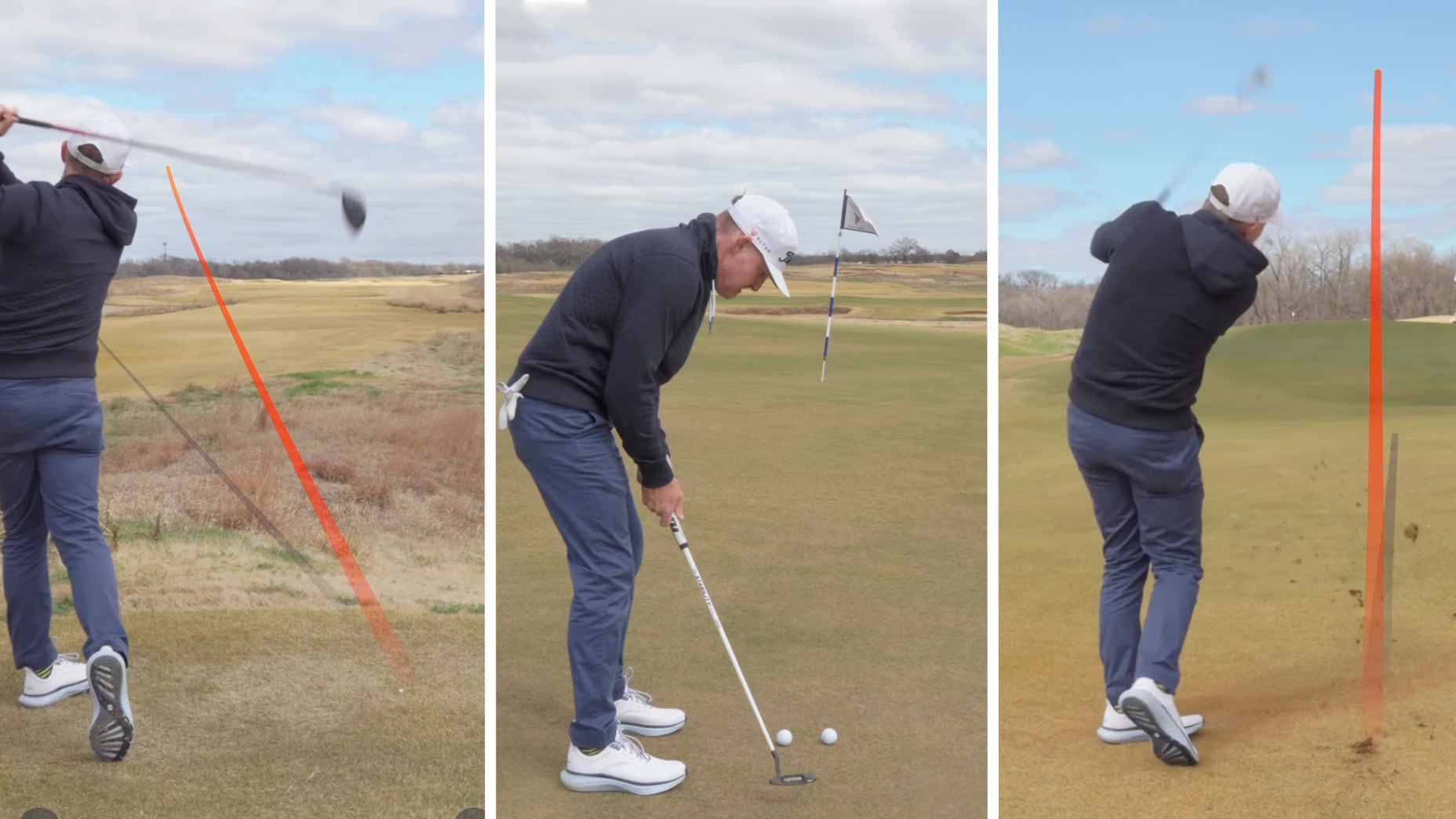
Incorporating visual aids during practice rounds can significantly enhance your accuracy. By placing tees or markers along your target line, you create physical references that can help improve your focus and execution. Additionally, consider ball positioning in your stance. Positioning the ball too far forward or backward can lead to unintended shot trajectories. A general guideline is to keep the ball in line with the inside of your lead foot for standard shots.
Finally, leverage tools like launch monitors and video analysis to receive real-time feedback on your alignment and aim. Professionals advocate video analysis as it allows golfers to visually assess their form and make necessary adjustments. Remember, slow and steady wins the race. Improvement in these areas is often gradual and requires consistent effort.
In their own words
"Aim and alignment are the unseen forces that guide our swings. Practice them diligently to see a genuine transformation in your game."
— Golf Professional, John Smith
"When I started focusing on my aim, I saw an immediate difference. It’s all about setting your sights correctly."
— LPGA Player, Jane Doe
What this means for golfers
Understanding the fundamentals of aim and alignment has direct implications for recreational golfers as well. Even for the casual player, spending time honing these skills will lead to more enjoyable rounds. Take time during practice sessions to isolate aim and alignment; practicing on the range can transform your performance on the course. Additionally, during your next visit to a golf shop, consider equipment that enhances your practice. Alignment sticks, for instance, are excellent tools for self-assessment and training.
What's next
Looking forward, golfers should prioritize aim and alignment in their training routines, especially with months of summer play ahead. Upcoming tournaments may feature professionals showcasing their advanced techniques in these areas, providing valuable lessons. Start experimenting with these five key tips on the range, and see how adjusting your aim and alignment can benefit your overall game. The right intention paired with steady practice will inevitably lead to lower scores and a more fulfilling golfing experience.