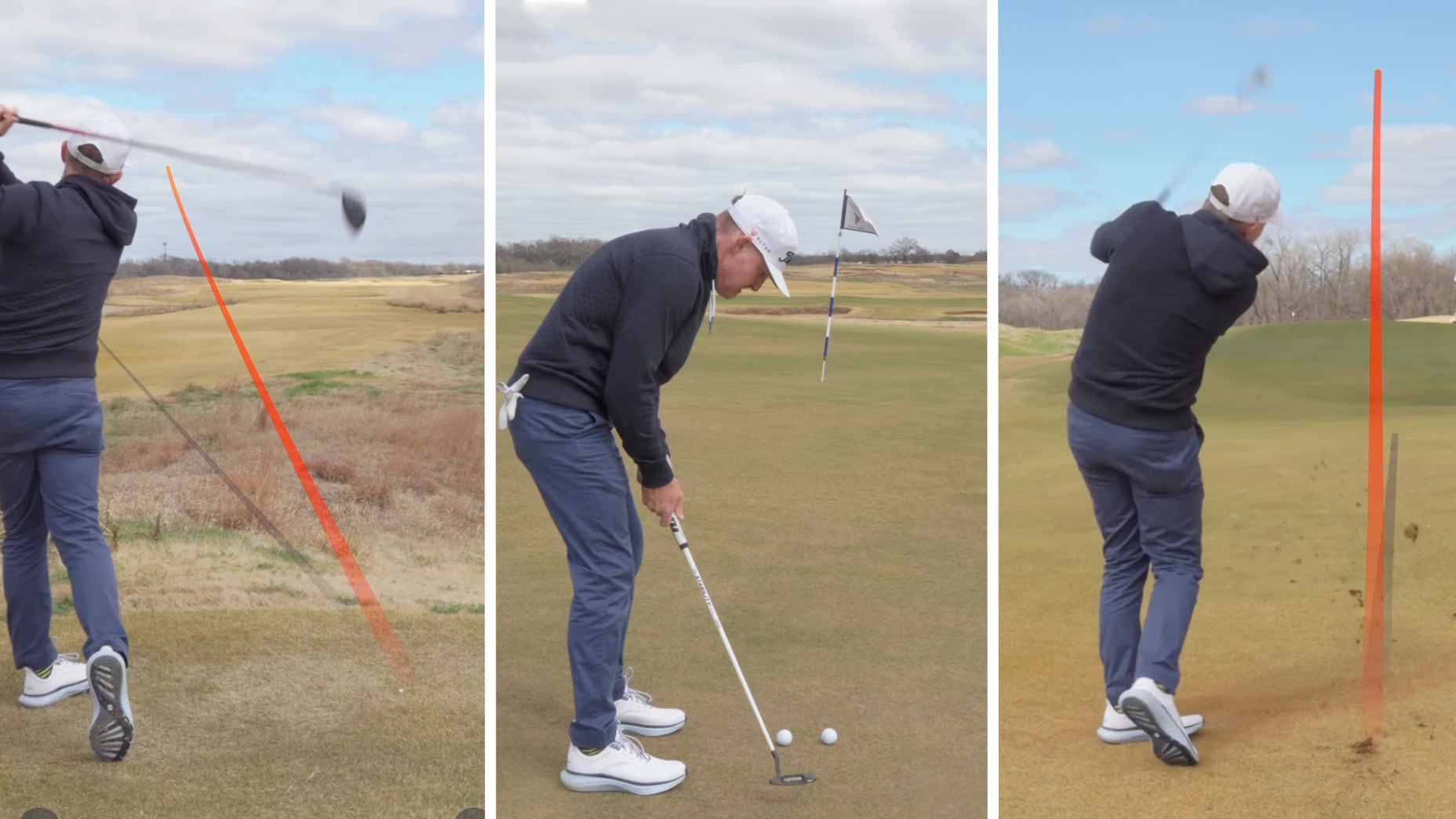


The art of lag putting may often feel overshadowed by the excitement of sinking long putts for birdies or eagles, yet it is undeniably one of the most crucial skills in maintaining a low score on the golf course. Renowned GOLF Top 100 Teacher Kellie Stenzel shares her insightful strategies that can elevate an amateur golfer's game by enhancing their lag putting skills. In the heat of the competition or those serene weekend rounds, mastering these five keys can significantly reduce your three-putt chances and lead to greater enjoyment on the greens.
Key takeaways
- Practice visualization to improve distance control.
- Focus on a smooth, rhythmic putting stroke.
- Understand the importance of green reading to gauge slopes and breaks.
- Develop a consistent pre-putt routine to build confidence.
- Utilize the right grip and stance for better stability and aim.
Context and background
Lag putting is an area many recreational golfers overlook, often mistakenly believing they need to work solely on sinking putts from shorter distances. However, according to statistics, a considerable percentage of three-putts occur from 15 feet or more. The PGA Tour averages indicate that players take approximately 1.5 putts per hole, but the ability to lag putt effectively can make all the difference in reducing overall scores and preserving momentum during a round. In her teaching, Kellie Stenzel emphasizes that mastering lag putting can separate decent players from great ones, which is particularly relevant in competitive golf.
Mastering the art of lag putting
Stenzel's first key to becoming a proficient lag putter is the power of visualization. Understanding the distance and break of a putt requires keen observational skills and the ability to mentally picture the ball's path towards the hole. This cognitive exercise can greatly aid in dialing in the touch necessary for long putts, a skill often seen in tour-level players.
Next, Stenzel highlights the importance of rhythm and stroke consistency. The smooth, consistent putting stroke ensures that distance control is precise. Golfers are encouraged to practice this rhythm in different scenarios to find a cadence that feels natural. Many pros use a pendulum-like motion to create a flow that helps maintain both speed and direction.
Moreover, understanding the nuances of green reading is pivotal. Even the best putters cannot sink every long putt they face if they do not account for elevation changes and the terrain's texture. This aspect of the game can drastically affect the roll of the ball, making it essential for golfers to take their time analyzing the green before rolling it. In fact, many players dedicate significant time in practice rounds to honing their reading skills by extensively studying various putt angles and their effects on the dynamics of the stroke.
A pre-putt routine plays an equally critical role in a golfer's overall performance on the course. Stenzel emphasizes that having a defined routine can marginally decrease anxiety levels and foster trust in the golfer's ability to assess speed and aim. Whether it’s taking a few practice swings, checking the line, or stepping back to visualize the putt again, this process allows golfers to settle into their rhythm before each shot.
Lastly, grip and stance are foundational when it comes to accomplishing a reliable lag putting technique. A solid grip facilitates better control, and an appropriate stance sets a golfer up for success. Stenzel suggests experimenting with grip pressure and stance width to find a comfortable sweet spot, which can often turn the tide during a lag putting situation. Both emphases on grip and stance ultimately enhance the player's stability, allowing for a solid connection through the ball.
In their own words
"Visualization is crucial; it’s about painting a picture of the putt before you even step over the ball. When you can see it, you can believe it will happen."
— Kellie Stenzel
"A smooth stroke is essential for good distance control. Rushing it often leads to mistakes and results in longer second putts and frustration."
— Kellie Stenzel
"Trusting your pre-putt routine can help you stay calm and focused. Confidence in your routine leads to better lag putts, which is the goal after all."
— Kellie Stenzel
What this means for golfers
For recreational golfers, incorporating these teachings from Kellie Stenzel can significantly impact their overall game. By focusing on the critical elements of lag putting—visualization, rhythm, green reading, pre-putt routines, and grip—golfers can experience a notable reduction in stroke counts from long distances. Practicing these elements can lead to more enjoyable rounds, decreased frustration on the greens, and ultimately lower scores.
What's next
As the golf season progresses, players looking to sharpen their skills may consider participating in clinics focused on short game techniques, with lag putting being a core component. Additionally, golf manufacturers continually innovate in the putter design space; golfers might look for models that aid in better touch and feel to complement their practicing routine. Beyond equipment considerations, the upcoming slate of tournaments offers opportunities to see how the pros implement strategies for lag putting in high-pressure scenarios. Watching these top-tier players can serve to inspire amateurs to elevate their own game.