Introduction
The anticipation for the 2026 PGA Championship builds as it heads to the historic Aronimink Golf Club, yet not all golfers will make the journey to this prestigious event. Several former champions, who have left indelible marks in the tournament's history, will be notably absent from the tee box. Their absence signals an unfolding narrative about the competition and the evolving landscape in professional golf.
Key takeaways
- Former champions like Tiger Woods and Phil Mickelson will miss the tournament.
- Several key players are either retired or face significant injuries.
- The event will be held at Aronimink Golf Club in 2026, a revered venue in PGA history.
- The absence of these past winners highlights the generational shift in professional golf.
- New stars are emerging on the scene, emphasizing the competitive nature of the current field.
Context and background
The PGA Championship, one of golf's four major tournaments, has a rich history dating back to 1916. Over the decades, it has produced numerous unforgettable moments and champions, some of whom have become household names in the sport. Recent years have seen extreme talent levels and competitiveness rise, putting pressure on veteran golfers, some of whom have begun to fade from the limelight.
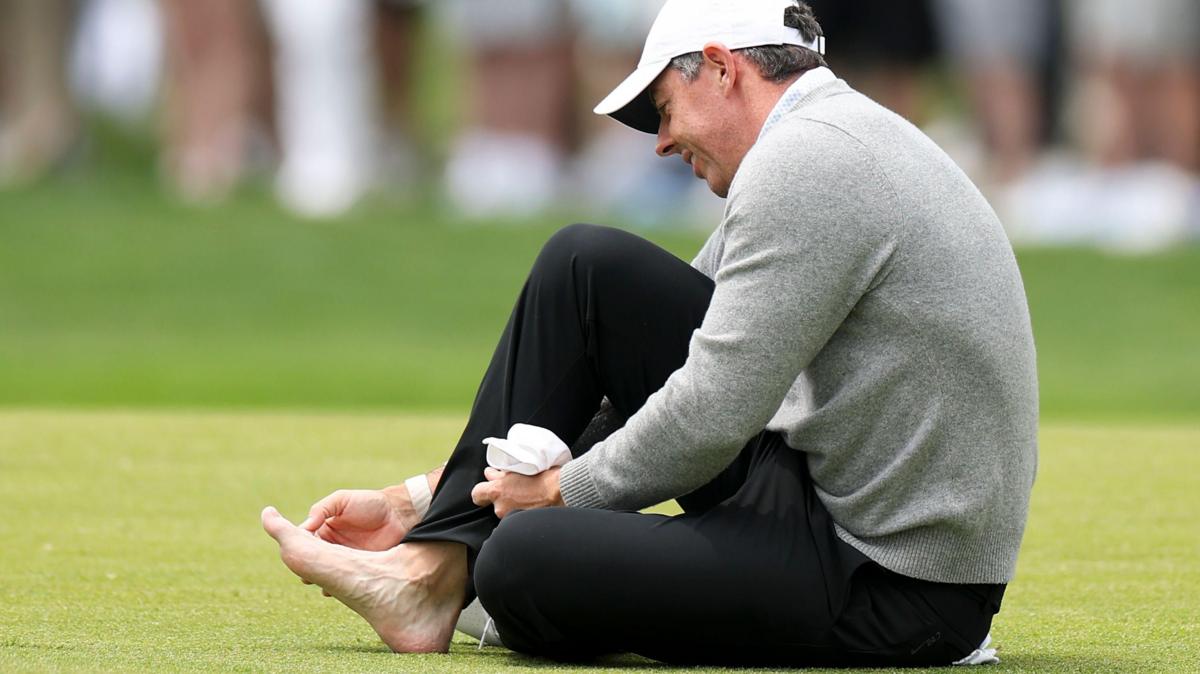
As we look towards the 2026 edition, the absence of notable players signifies a generational transition. For instance, Tiger Woods, a two-time winner of the event, has undergone multiple surgeries and may not return by 2026, while Phil Mickelson, the oldest PGA champion at age 50, faces both physical and performance challenges that have impacted his recent outings on the tour.
A changing of the guard
The lack of attendance from former champions underscores dramatic changes within the golf landscape. Consider the following statistics: since 2018, the average age of the top players on the PGA Tour has dropped considerably, from 40 and above to around 30. New stars such as Collin Morikawa and Scottie Scheffler are making bold statements, firmly establishing themselves in the top echelons of the sport.
This changing of the guard isn’t simply a narrative; it's tangible. Traditional powerhouses are witnessing a consistent rise of younger talent in both performance and popularity, evidenced in the past few Masters and U.S. Opens, where previous champions struggled to keep up in the final rounds against their younger counterparts. The question arises: Are the days of seasoned veterans dominating major championships over? The current trends seem to suggest a potential decline in their presence at the top.
In their own words
"I've had an incredible journey in this sport, but just like my body, my presence on the tour can’t last forever. I do wish the best for those who will take on the mantle in the years to come."
— Tiger Woods
"I love this game, but I also realize how physically demanding it is to compete at this level. It's the younger guys who are hungry for success now, and they belong here."
— Phil Mickelson
What this means for golfers
The absence of these notable past champions offers significant implications for both professional and recreational golfers. For amateurs, it's a reminder that the nature of competition is constantly evolving. As new rules and technology emerge, players of all levels should stay adaptable and continuously refine their skills to meet the changing demands of the game.
From a purchasing standpoint, golf enthusiasts may want to explore the latest equipment and trends driven by younger rising stars. This includes innovations in drivers, iron sets, and putting technologies that cater to a faster-paced game, showcasing brands like TaylorMade and Titleist. Recreational golfers keen on improvement can learn a great deal from the playing styles of these new champions, who emphasize distance and precision.
What’s next
Looking forward, anticipation builds for the upcoming PGA Championship as Aronimink Golf Club stands ready to host the world’s best players. With a blend of youthful energy and seasoned professionals, the event promises to present a compelling narrative in the realm of golf. Fans should watch out for names like Morikawa and Scheffler as they vie for one of the sport's most prestigious titles, potentially reshaping its history.
Ultimately, the absence of past champions signifies an evolution in golf, presenting both challenges and exciting new opportunities. The ongoing transition from established greats to fresh talent highlights golf's ever-changing dynamics and leaves fans eagerly anticipating what the next generation has in store.