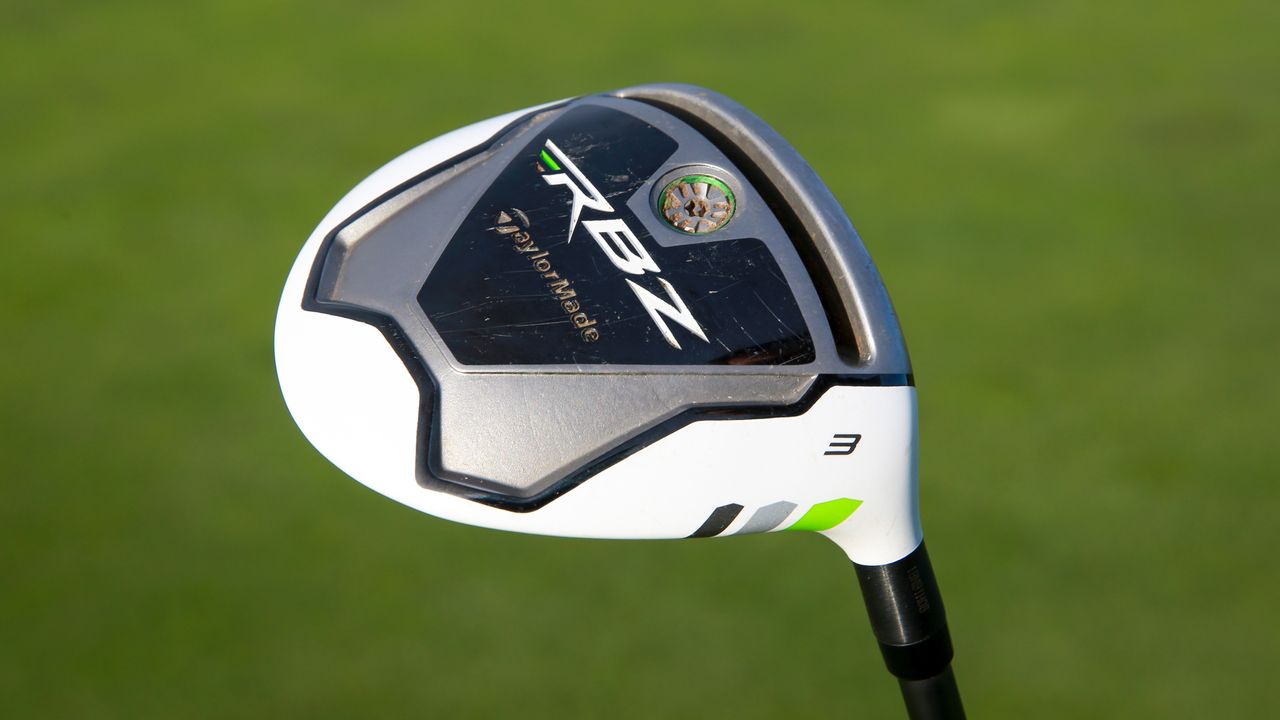
In a market flooded with cutting-edge golf technology, it’s easy to get swept up in the allure of the latest driver or putter. However, for many golfers, the best performance can often be found in vintage fairway woods that have stood the test of time. These timeless pieces of equipment deliver a unique combination of feel and performance that many modern alternatives simply struggle to replicate. Here are five vintage fairway woods that are still as relevant today as they were when they first hit the market.
Key takeaways
- Vintage fairway woods offer unique performance characteristics that modern clubs often miss.
- These clubs are a testament to how equipment design has evolved but sometimes regressed when it comes to feel.
- Many golfers are discovering the joys of using retro equipment over new technology.
- Classic designs can provide a blend of nostalgia and performance that modern gear cannot replicate.
- Knowing the history of these clubs can help golfers make better choices on the course today.
Context and background
Fairway woods have been a staple in the bags of amateur and professional golfers alike since the early days of the sport. In the 1980s and 1990s, manufacturers introduced a variety of innovative designs that helped golfers manage their approach shots from the fairway with ease. Equipment such as the TaylorMade Bubble Shaft and the Ping Eye2 became iconic for their design and performance. As technology has advanced, golf club manufacturers have favored lightweight materials, variable face technologies, and adjustable lofts, yet many die-hard fans of vintage fairway woods argue that these newer innovations lack the soul and feel of the classic models. This article aims to highlight five notable vintage fairway woods that modern technology has yet to surpass, offering both insights and nostalgia for avid golfers.A journey back in time: The finest vintage fairway woods
1. **TaylorMade 200 Steel Fairway Wood** Launched in the late 90s, the TaylorMade 200 Steel Fairway Wood boasts a delightful blend of playability and distance. It features a classic look with a steel head that offers an unparalleled feel on impact. The club’s low center of gravity makes it easier to hit from the fairway or rough, allowing players to achieve impressive ball flight without sacrificing control. In fact, many top players from the late 90s still swear by its performance. 2. **Ping G2 Fairway Wood** Introduced in 2003, the Ping G2 Fairway Wood is celebrated for its oversized head design and perimeter weighting, which promote stability and forgiveness. The innovative design significantly reduced twisting on off-center hits, enhancing overall confidence at address. Its ability to produce higher launch angles and longer distances makes it a firm favorite even in today’s competitive landscape. 3. **Titleist 904F Fairway Wood** Titleist has long been revered for its classic designs, and the 904F Fairway Wood is no exception. With a sleek design and a slightly smaller profile, this club promotes precision and control. Golfers who seek to master their craft can harness the simplicity of this model, discovering unmatched feedback on each stroke. With consistent play since its release in the early 2000s, it remains a reliable choice for numerous players worldwide. 4. **Callaway Big Bertha Warbird Fairway Wood** When the Warbird debuted in 1997, it ushered in a new era for fairway woods with its innovative design and unique shape. It features a wide sole that minimizes drag during swings, allowing for solid contact. The Warbird remains popular due to its forgiving nature, making it an excellent option for recreational golfers. With its combination of power and control, this club is a remarkable throwback and still impresses many golfers today. 5. **Cleveland Classic 1 Fairway Wood** Cleveland Golf has been a force in the golf industry since the 1970s. The Classic 1 Fairway Wood is revered for its traditional shaping and superior feel at impact. Its elegant design appeals to those who appreciate a classic aesthetic while providing performance advantages such as lower spin rates. The Classic 1 serves as a reminder that sometimes, simpler is better when it comes to selecting the right club for the course.In their own words
"I still have my old TaylorMade 200 Steel Fairway Wood in the bag—it's hard to find something that feels as good as that club!"
— Golfing legend & major champion
"There's a reason we still talk about the Warbird; it changed how we think about fairway woods. It’s a classic for a reason!"
— Equipment expert