The birthplace of the game awaits
There is a moment every golfer experiences when they first set foot on Scottish turf. The wind carries the faint scent of gorse and sea salt, the turf feels firm and fast beneath your spikes, and the landscape stretches out in undulating waves of fescue and bent grass toward a grey-blue horizon. This is links golf in its purest form, and Scotland remains its spiritual home.
For centuries, golfers have made the pilgrimage to Scotland's eastern and western coastlines to test themselves against courses shaped not by bulldozers and architects, but by wind, rain, and the slow retreat of ancient seas. These are layouts where the ground game matters as much as the aerial assault, where a well-judged bump-and-run can be worth more than the most towering iron shot, and where the weather is as much your opponent as the course itself.
Having walked these fairways in every season and in every conceivable wind direction, I can say without hesitation that Scotland's greatest courses represent the pinnacle of the game. Here is your guide to six of the finest, along with practical advice for making your own Scottish golf pilgrimage.
St Andrews Old Course: where it all began
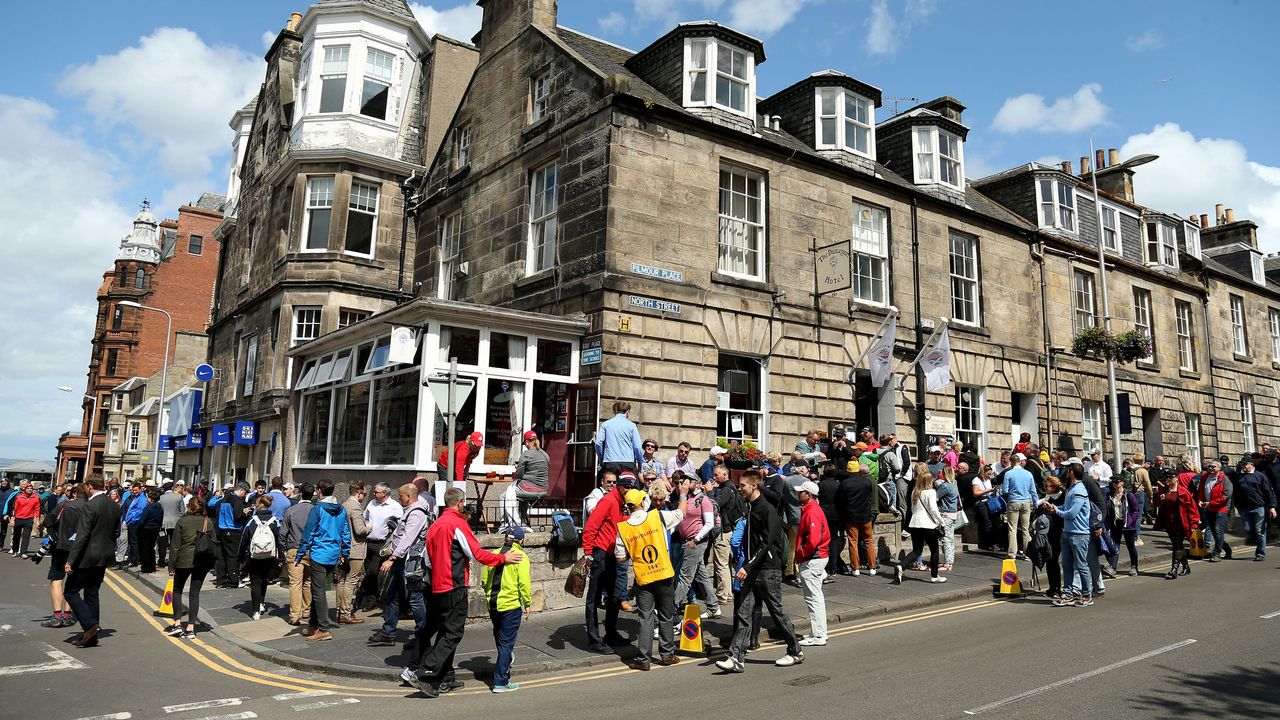
No conversation about Scottish golf begins anywhere other than St Andrews. The Old Course is not merely a golf course; it is a living monument to the game's origins. The shared double greens, the vast fairways that seem to merge into one another, and the hidden pot bunkers that swallow golf balls whole — everything about this layout feels elemental and timeless.
The first-time visitor will likely be struck by how deceptively open the course appears from the tee. Wide fairways seem to invite aggressive play, but the subtlety lies in positioning. Finding the correct angle into the greens is everything here. The Road Hole, the seventeenth, remains one of the most feared par fours in championship golf, its narrow green guarded by the infamous road and that merciless pot bunker at the front left.
Booking a tee time on the Old Course requires patience and planning. The ballot system allows golfers to enter a daily lottery for available times, but demand is fierce. Applying two days in advance gives you the best chance, and single golfers or pairs often have better luck than full four-balls. Consider also that the Old Course closes on Sundays, a tradition that dates back centuries and speaks to the town's deep-rooted relationship with the game.
Carnoustie: the beast of Angus
If St Andrews charms you with its history, Carnoustie confronts you with its difficulty. Widely regarded as the toughest course on the Open Championship rota, Carnoustie is a relentless examination of ball striking. The Barry Burn winds through the closing holes like a serpent, most memorably at the eighteenth, where it has destroyed championship hopes in dramatic fashion.
What makes Carnoustie truly special is its honesty. There are no tricks here, no blind shots designed to frustrate. The challenge is laid out before you in plain sight: long, demanding par fours that require precision from tee to green. When the wind blows off the North Sea, even the most accomplished players find themselves grinding for pars. Visitors will find Carnoustie more accessible than the Old Course in terms of securing a tee time, and the green fees, while substantial, represent outstanding value given the quality of the test.
Royal Troon: a tale of two nines
Royal Troon on the Ayrshire coast is a course of two distinct characters. The outward nine plays largely downwind along the shore, offering birdie opportunities and sweeping views across to the Isle of Arran. The inward nine turns directly into the prevailing wind, and the character changes entirely. Holes that seemed manageable on the front suddenly feel impossibly long on the back.
The Postage Stamp, Troon's famous par three eighth hole, is perhaps the most photographed short hole in golf. At just 123 yards from the medal tees, it appears simple enough, but the tiny green is ringed by deep bunkers, and when the wind swirls, club selection becomes a genuine puzzle. Royal Troon hosted the Open Championship most recently to great acclaim, and the course continues to evolve while maintaining its essential character.
Turnberry and the Ailsa Course
Perched on the Ayrshire coast with the dramatic silhouette of Ailsa Craig rising from the Firth of Clyde, Turnberry is arguably the most visually stunning course in Scotland. The stretch of holes along the rocky shoreline, from the ninth through the eleventh, rivals anything in world golf for sheer beauty.
The iconic lighthouse at the ninth tee has become one of golf's most recognisable landmarks. The course itself demands accuracy and creativity in equal measure, with several holes requiring carries over rocky coves and gorse-covered hillocks. A round at Turnberry is an experience that transcends mere golf — it is a walk through some of the most dramatic coastal scenery in the British Isles.
Muirfield: the fairest test in Scotland
Home to the Honourable Company of Edinburgh Golfers, the oldest golf club in the world, Muirfield sits on the East Lothian coast and offers what many professionals consider the fairest championship test in Scotland. The layout follows two concentric loops, meaning the wind direction changes constantly throughout the round, preventing any sustained advantage or disadvantage.
Muirfield's bunkering is strategic rather than punitive, and the greens reward precise approach play. The rough, however, can be savage, and straying from the fairway often means a sideways hack back to safety. Visitor access is more restricted than at other championship venues, with tee times typically available only on certain days. Planning well in advance is essential, and golfers should be aware of the club's dress code and etiquette expectations, which are upheld with traditional Scottish formality.
Royal Dornoch: the hidden jewel of the Highlands
Royal Dornoch sits far to the north, above Inverness, in a setting of almost otherworldly beauty. The journey alone — through the Scottish Highlands, past lochs and mountains — is worth the trip. But the golf itself is extraordinary. The raised plateau greens, many of which fall away sharply at the edges, demand the most delicate of approach shots. A ball that misses the putting surface often tumbles down into deep hollows, leaving a fiendish recovery.
Tom Watson once described Royal Dornoch as the most fun he had ever had on a golf course, and that assessment captures its spirit perfectly. This is links golf at its most joyful and natural, a course that feels as though it was discovered rather than designed. Green fees are reasonable by championship standards, and the welcome is warm and genuine — a reflection of the Highland community that surrounds it.
Essential tips for your Scottish links adventure
Mastering the ground game
Links golf demands a different skill set than the target golf most players practise on their home courses. The bump-and-run should become your default approach shot from within sixty yards of the green. A seven or eight iron played along the ground will hold its line far better than a high-lofted wedge fighting the coastal wind. Practise keeping the ball below the wind, punching shots with a three-quarter swing, and using the contours of the ground to feed the ball toward the flag.
Booking and logistics
The Scottish golf season runs roughly from April through October, with the longest daylight hours in June and July. Book accommodation and tee times at least six months in advance for peak season. Many courses offer twilight rates that provide excellent value, and the extended summer daylight in northern Scotland means you can comfortably tee off at six in the evening and finish before dark.
Consider hiring a caddie at least once during your trip. A knowledgeable local caddie will save you strokes by reading the greens, selecting clubs for wind conditions, and steering you away from hidden hazards that first-time visitors would never spot. The cost is modest relative to the overall investment, and the experience adds immeasurably to your understanding of the course.
What to pack
Waterproofs are non-negotiable, regardless of the forecast. Scottish weather can change dramatically within a single round, and being caught without rain gear will ruin your day. Pack layers rather than heavy clothing, bring a quality wind-proof jacket, and invest in a pair of waterproof shoes that you have already broken in. Nothing derails a links golf trip faster than blistered feet on day two.
Scotland's greatest courses are not simply places to play golf. They are landscapes steeped in history, shaped by nature, and infused with a spirit that no inland course can replicate. Whether you are a single-figure player chasing a lifetime ambition or a mid-handicapper seeking the round of your life, these six courses will challenge, inspire, and ultimately reward you in ways that only the home of golf can.