


Intro paragraph
In the heart of Augusta National Golf Club, where golfing tradition and decorum reign supreme, a moment occurred that rattled the sensibilities of many upon witnessing Robert MacIntyre's regrettable gesture during the first round of the Masters. While it stirred a brief controversy, the incident also unfurled a deeper discussion about the pressures of competition and the humanity behind the professional facade.
Key takeaways
- Robert MacIntyre made a 'lewd' gesture during the Masters, leading to an outcry over sportsmanship.
- The incident evoked memories of Augusta's founder Bob Jones and the importance of grace under pressure.
- Though criticized, many view MacIntyre's reaction as a forgivable display of human emotion.
- The Masters has a long history of maintaining tradition which can clash with the modern pressures of sport.
- This moment serves as a reminder that even the best can falter under immense competition.
Context and background
The Masters, held annually at Augusta National Golf Club, has a storied legacy dating back to its inception in 1934. Founded by golfing legend Bob Jones, the tournament is steeped in tradition and decorum that calls for high standards of conduct. Notably, Jones's own philosophy emphasized grace and sportsmanship, encapsulating the spirit that the Masters seeks to uphold.
With the evolution of professional golf, however, players now face unprecedented scrutiny and pressure. The competition at the Masters, heralded as one of the four major championships, gathers the best players from around the globe, intensifying the stakes and emotions involved. As a result, it is not uncommon for raw emotions to surface, reminding spectators that these athletes are human.
In the heat of competition: The MacIntyre incident
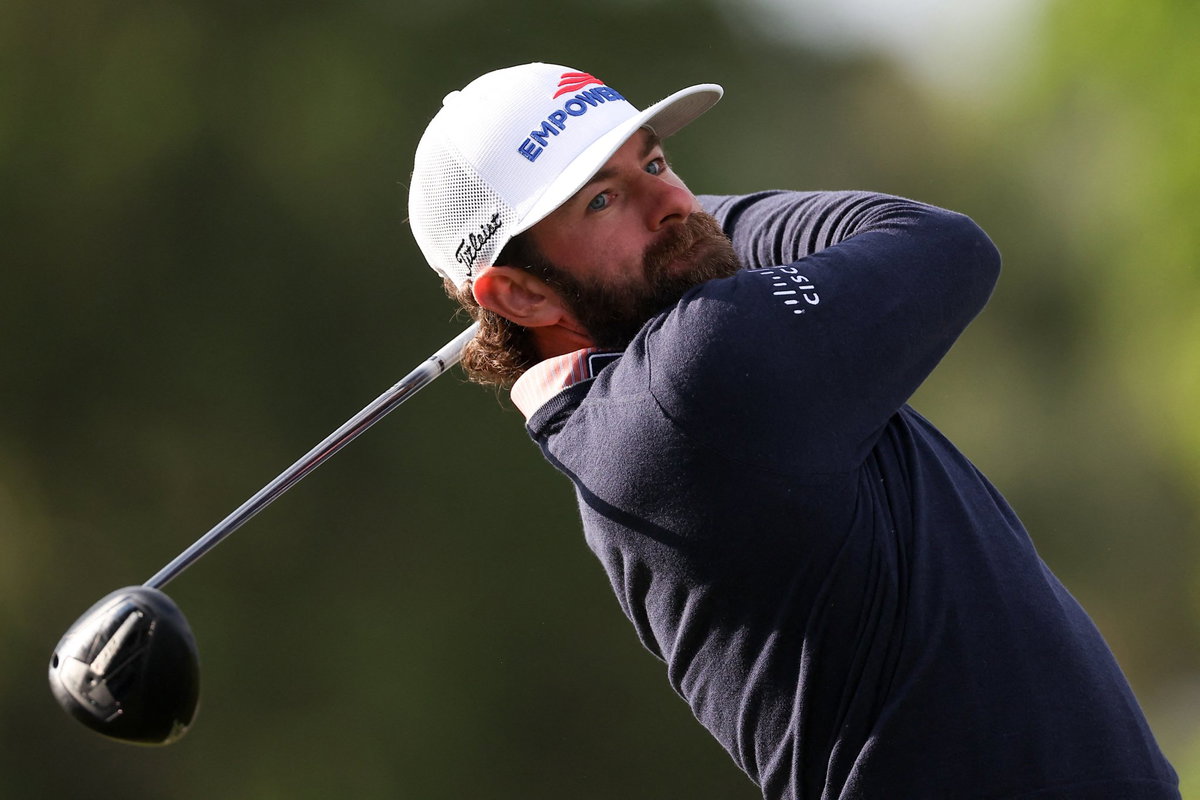
As Robert MacIntyre stood on the 18th hole during the first round of this year's Masters, pressures that were palpable got the better of him. After a frustrating sequence of shots, he reacted with a rather regrettable gesture that many observers deemed lewd. In a moment that many would like to forget, MacIntyre’s reaction drew immediate attention from both fans and officials, sparking debates around the ethics of behavior in such a hallowed setting.
Statistically, MacIntyre is recognized as a promising young talent in the world of golf, boasting a solid performance history despite the challenges he faces on the course. This incident, viewed in isolation, might overshadow his potential; however, some analysts argue that it reflects the intense pressure players endure. In the broader context of sports, high-profile moments of frustration often lead to missteps, yet they also serve as potent reminders of the humanity underlying athletic pursuit.
Throughout the Masters’ history, players have also found themselves in less-than-ideal situations. For example, there have been notable outbursts from seasoned players under pressure, but those incidents have often been forgiven as part of the game. Comparisons can be made to the likes of Tiger Woods, who lost his cool on multiple occasions over his career, only to have those moments fade into memory as his accomplishments took center stage. Ultimately, MacIntyre's incident could evolve in a similar manner if he continues on a path of excellence.
In their own words
"In the heat of the moment, I let my frustration get the better of me. It was regrettable, and I understand the importance of representing the game with respect, especially at such a prestigious event like the Masters."
— Robert MacIntyre
What this means for golfers
For recreational golfers, MacIntyre's moment is a pertinent reminder of the challenges inherent in high-pressure situations. It demonstrates that everyone, regardless of their skill level, experiences emotional highs and lows throughout a round. This incident offers an opportunity for golfers of all abilities to reflect on how to manage emotions better on the course, particularly during challenging moments.
Furthermore, MacIntyre’s experience opens a discussion about the importance of sportsmanship and etiquette, particularly in setting as revered as Augusta. Golfers could benefit from examining their attitudes towards mistakes, embracing them as part of the learning process rather than indignation.
What's next
Looking ahead to future events in the 2023 golf calendar, MacIntyre will be keen to put this episode behind him and reclaim his focus on the course. Upcoming tournaments such as the PGA Championship and subsequent ATP events provide a platform for him to redeem himself and reinforce his status as a rising star in golf. For viewers, the Masters incident will serve as a lingering talking point about the pressures of competition in the sport, potentially influencing how officials and organizations address player conduct moving forward.
As the seasons unfold, it will be fascinating to see if the lessons learned from MacIntyre’s lewd gesture become part of a larger narrative about the intersection of human emotion and competitive sports, and how they play out in arenas such as this iconic venue.


/https%3A%2F%2Fcdn.pijper.io%2F2026%2F06%2FRkUgIHk3UBT3tw1781080975.jpg)