Introduction
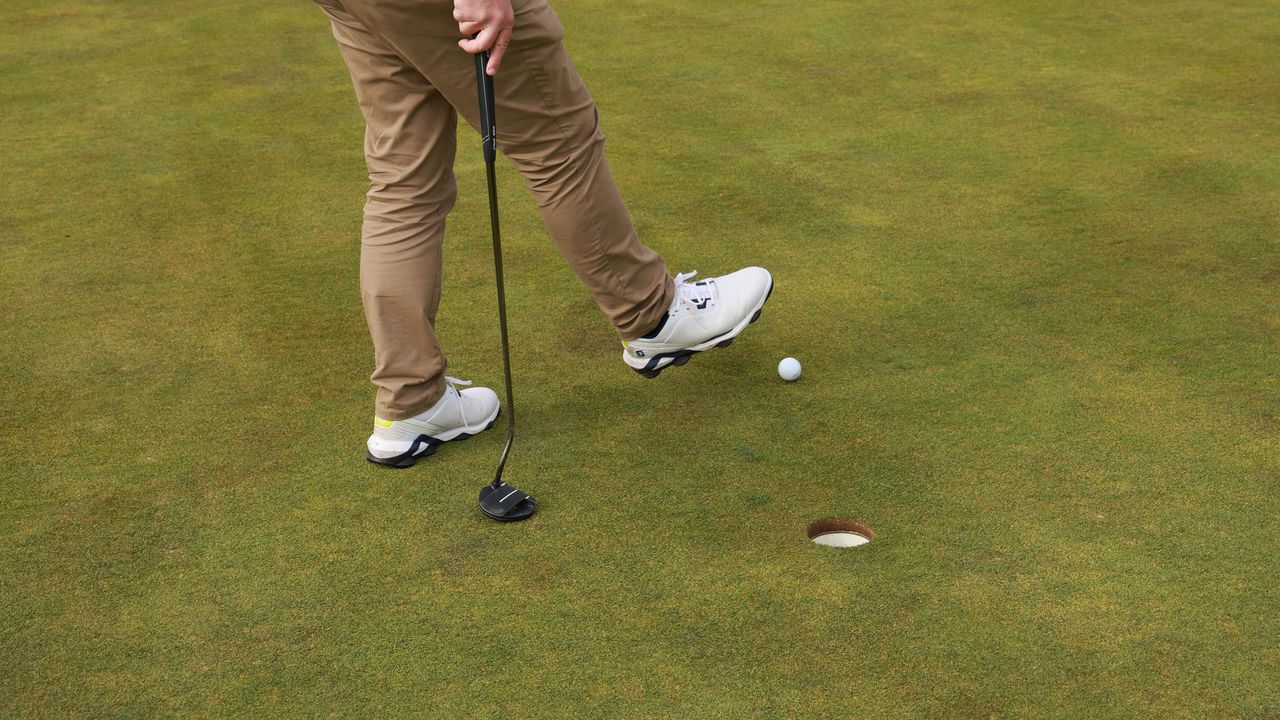
The world of golf is steeped in tradition, etiquette, and stringent rules that govern conduct on the course. However, one question often arises in playful banter and serious discourse alike: if I stop someone's hole-bound putt with my foot, do I face disqualification? While the mere thought of curtailing a fellow player's chance at glory using such a petulant act may seem ridiculous, the repercussions within the context of golf's rules are worth examining.
Key takeaways
- Stopping an opponent’s putt is considered a serious breach of etiquette in golf.
- Rules dictate specific consequences for actions deemed unsportsmanlike.
- While disqualification is possible, the severity depends on the situation and intent.
- Understanding the distinction between disqualification and penalties is crucial for all players.
Context and background
The rules of golf, shaped and fine-tuned over centuries, dictate not only the mechanics of play but also the spirit in which the game should be played. The idea of intentionally disrupting a fellow competitor's play is not only frowned upon but can also lead to severe disciplinary actions. Historically, the game has evolved from its origins with regards to etiquette, fairness, and respect for one’s opponents — principles that make it unique compared to most sports.
According to the U.S. Golf Association and the R&A, the rules reinforce the idea that each player must ensure fair play. Unsportsmanlike behavior, such as stopping a putt, would clearly violate these core principles. While there's no specific rule that mentions disqualification for stopping a ball directly, the general rules around unsportsmanlike conduct are rigorously enforced.
The consequences of interrupting a putt
To address the meat of the question, if a player were to stop an opponent’s putt with their foot, the act would be considered an interference that is in direct violation of the concept of fair play, potentially leading to disqualification, depending on the circumstances. The mechanics of the ruling are as follows:
- Intent and Action: If the interference is perceived as intentional and disrupts the flow of play, it could lead to disqualification. However, if the act is unintentional, a formal penalty might be issued, which usually involves strokes added to the player's score rather than outright disqualification.
- Assessment of the Situation: Tournament officials often review the action's context — how the act affected play, the player’s intent, and whether this is a repeated misconduct or a one-off error. A first-time, unintended mistake might result in a warning, while a calculated act could lead to disqualification.
- Precedents: The rules of golf have seen numerous infractions assessed on intent, attitude, and respect for the game, with several infamous instances where players were disqualified for actions deemed detrimental to the spirit of the sport. Notable cases often shimmer with the complexities of interpreting player intent, making golf both a physical and psychological game.
Interestingly, some players have shared humorous takes on such incidents; however, the insistence remains clear: disrespecting opponents invites scrutiny from peers and officials alike.
In their own words
"Golf is a game of honor, where each player is expected to respect their opponents' chances and rights on the green. To disrupt someone’s putt is more than unsportsmanlike; it's antithetical to what we stand for as golfers."
— A Golf Official
"Mistakes happen, but intentionally stopping a ball is crossing a line. That’s grounds for bigger consequences than just a few penalty strokes."
— Professional Golfer
What this means for golfers
For amateur golfers and recreational players, the essence of golf includes not only skill but also courtesy and camaraderie with fellow players. This situation serves as a reminder of the importance of adhering to the Principle of Fair Play — disrupting an opponent's putt undermines both the game and the honor system. As aspiring players consider tournament participation, understanding the rules, including the repercussions of unsportsmanlike behavior, is critical.
Ultimately, this topic underscores the broader lesson that applies to golfers of all levels: golf is about respect, maintaining the integrity of the game, and valuing both competition and community. As for equipment choices, golfers should prioritize gear that enhances performance without being embroiled in contentious play situations.
What's next
Looking ahead, players gearing up for local or national tournaments should be mindful of the emphasis on rules of etiquette as the golf community continues to evolve. Each tournament cycle brings new discussions on interpretation and enforcement of the rules, which will undoubtedly include further clarifications on incidents like this one. Furthermore, golf associations around the world may consider introducing even more accessible resources to ensure that players, from novices to pros, understand the weight of their actions on the course.
As the debate unravels, and events unfold, golfers should stay informed and ready for any updates that may arise concerning the application of such rules to maintain the sanctity of the sport.