

Augusta National's response to Robert MacIntyre's gesture at the Masters
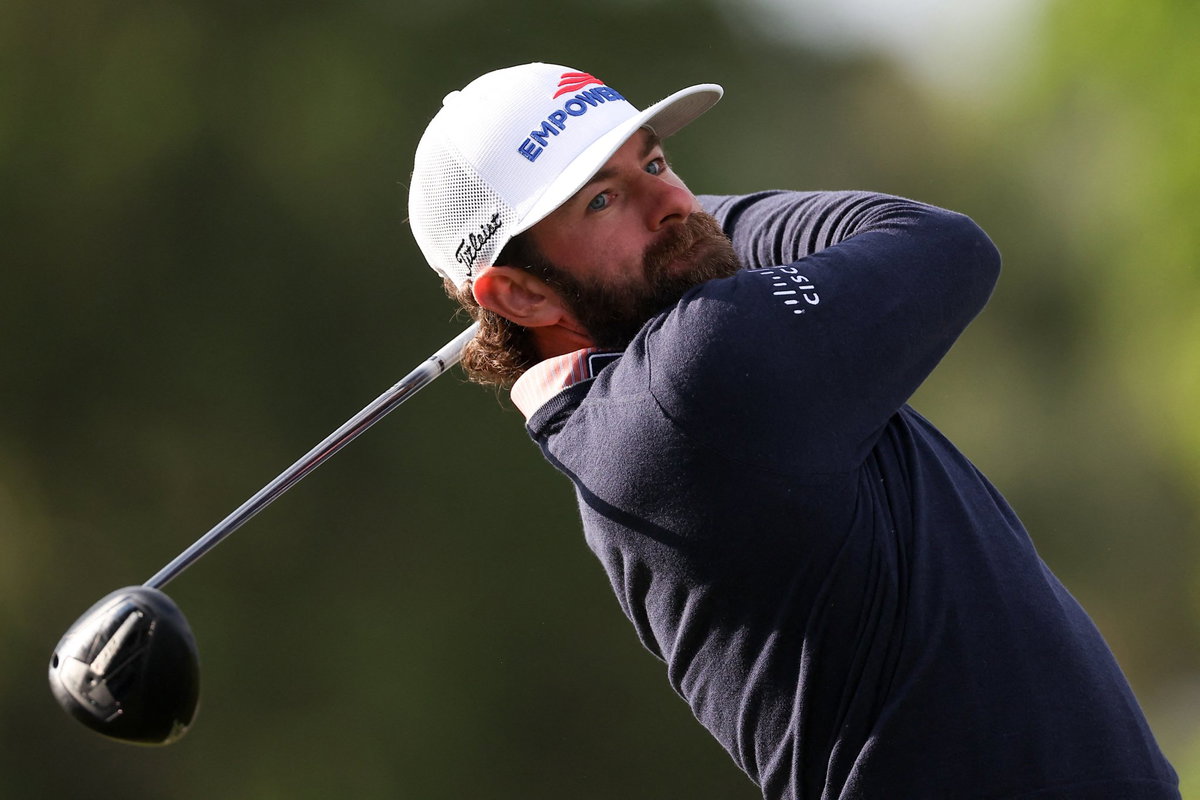
The world of golf was once again drawn into the spotlight after Scottish golfer Robert MacIntyre faced reprimand from Augusta National for an inappropriate gesture during the first round of the 2026 Masters. While professional golf is often as much about etiquette and decorum as it is about scores and standings, MacIntyre’s actions on the 15th hole sparked discussions on sportsmanship and the pressures faced by players on one of golf's biggest stages.
Key takeaways
- Robert MacIntyre made an offensive gesture while playing at the 2026 Masters.
- Augusta National issued a reprimand following the incident.
- The incident raised questions about player conduct and mental strain in tournaments.
- MacIntyre has a reputation for being passionate and competitive.
- The Masters remains a traditional and highly prestigious event in the golf calendar.
Context and background
The Masters Tournament, held annually at Augusta National Golf Club, is one of golf's four major championships and boasts a proud history dating back to its inception in 1934. Known for its iconic green jacket and pristine conditions, the tournament embodies a certain level of decorum and respect. However, the pressures of competing on this prestigious stage can sometimes lead players to moments of frustration, occasionally manifesting in actions that deviate from expected behavior.
Robert MacIntyre, a rising star in Scottish golf, has made a name for himself since turning professional in 2018. With experience in major tournaments already under his belt, including finishing tied for 12th at the Masters in 2021, he had a reputation for competitive spirit. However, the expectations from both fans and oneself can weigh heavily on players, leading to emotional moments. MacIntyre's recent incident highlights the mental challenges faced on a course where every stroke is scrutinized.
Repercussions of a careless moment
During the opening round of the 2026 Masters, MacIntyre found himself navigating the challenging and picturesque 15th hole, also known as 'Firethorn.' After an unfortunate mistake, he responded with a middle finger gesture directed towards an unspecified area, perhaps out of frustration or anger at the moment. This incident quickly circulated, drawing attention from fans, pundits, and the golf community alike.
Augusta National responded swiftly to the incident, releasing a statement to confirm that MacIntyre had been reprimanded for his behavior. While the details of the reprimand were not disclosed publicly, it is intended as a reminder of the standards expected at such a prestigious event. The effect of this reprimand could carry weight in MacIntyre's future appearances not just at the Masters but potentially throughout the rest of his career.
The repercussions from golf's governing bodies and tournament organizers regarding player conduct can often set precedents. In similar instances, players have faced fines or suspensions, though it remains unclear if such actions will follow MacIntyre's episode. Past incidents in golf have led to severe consequences ranging from temporary bans to loss of sponsorships, and all eyes will be on whether anything more substantial will occur in this case.
In their own words
"In the heat of the moment, emotions can get the best of us, but there are lines we must recognize, especially at a stage like the Masters."
— Robert MacIntyre
"We expect utmost professionalism from our players, especially on such a grand stage. Moments like these are moments we address seriously."
— Augusta National Official
What this means for golfers
The incident serves as a potent reminder for all golfers, whether professional or recreational, about the importance of maintaining composure on the course. Emotional responses can lead to regrettable actions, and learning to channel frustration positively is crucial. For amateurs playing in social games or junior tournaments, the principles of behavior and respect for the game can instill a sense of integrity.
For those investing in golf equipment, players may also reflect on how technological advances in clubs and gear can enhance the experience or help with performance pressures. This incident may encourage golfers to consider how practice and preparation can positively influence their mental state on the course.
What's next
As MacIntyre moves forward within the tournament schedule, including other forthcoming major tournaments, it will be essential to keep an eye on how he reflects on this moment. It can shape his gameplay strategies and perhaps his approach to pressure. The implications may be significant not only for his career but for how similar future incidents are handled by governing bodies in golf.
The golf community will undoubtedly be satiated to see how MacIntyre performs following this incident, as fans and pundits alike will hold him to the high standards expected of one competing at that level. Meanwhile, players, officials, and spectators must continue to advocate for sportsmanship and professionalism, especially under the intense light of the Masters tournament.


/https%3A%2F%2Fcdn.pijper.io%2F2026%2F06%2FRkUgIHk3UBT3tw1781080975.jpg)