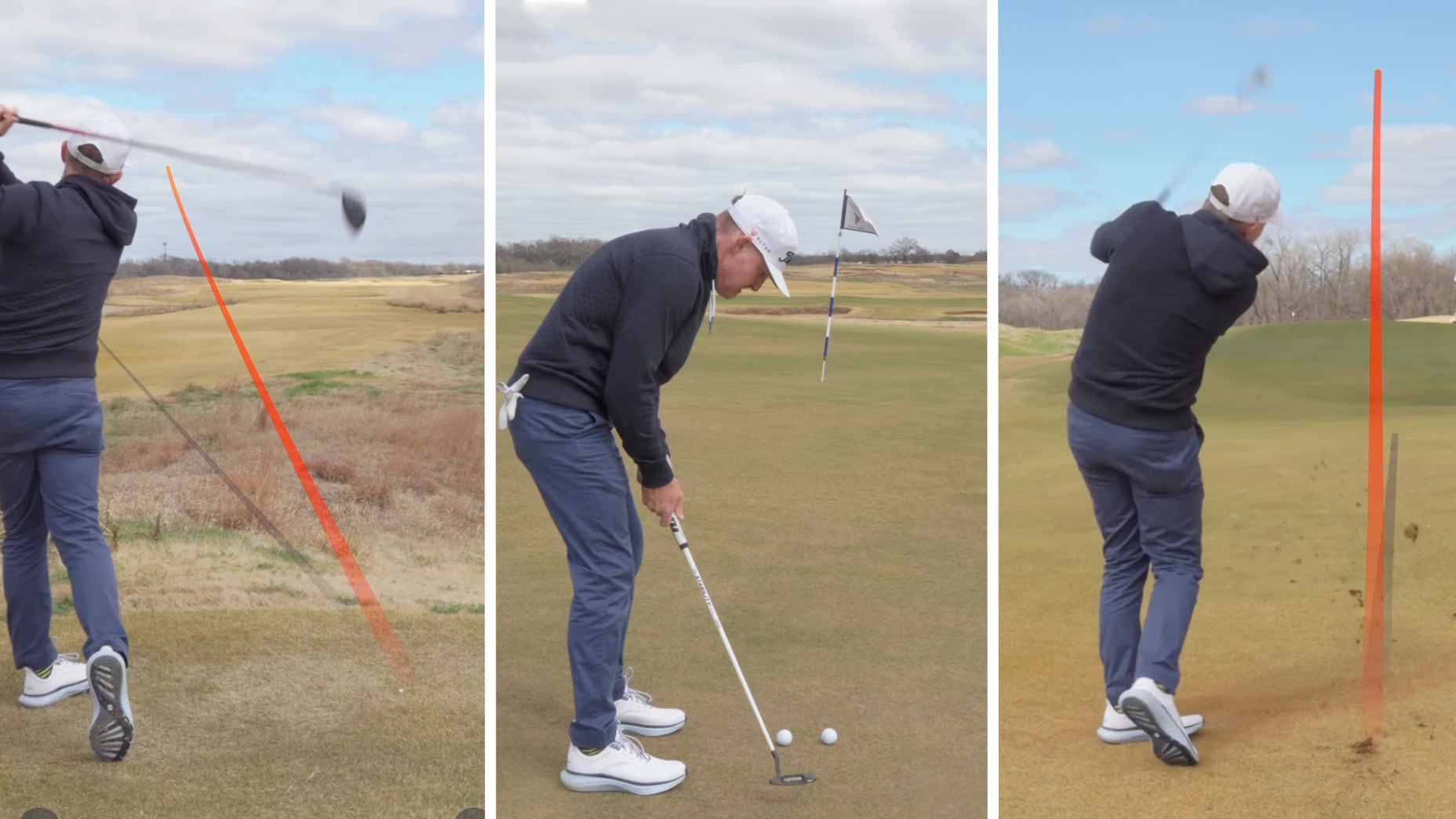
Intro paragraph
For high-handicappers, mastering the short game can feel like an uphill battle, especially when faced with the frustrating phenomenon of chunked chip shots. Fortunately, with the right expert guidance, golfers can enhance their technique and confidence around the greens, transforming a common pitfall into a pathway for improvement.
Key takeaways
- Chunked chip shots are a common issue for high-handicappers, often leading to significant strokes lost around the greens.
- Improving contact with the golf ball is essential for better short game performance.
- Expert advice includes focusing on stance, grip, and follow-through to prevent chunks.
- Understanding the mechanics of the chip shot can lead to greater consistency and confidence.
- The right practice drills can solidify skills and enhance the overall short game.
Context and background
Chunking chip shots is a familiar woe for many amateur golfers, particularly those with higher handicaps. Historically, the short game has been an area where golfers struggle the most; data reveals that nearly 60% of all shots taken in a round come from within 100 yards of the pin. Thus, mastering this aspect of the game is crucial, as it can often be the difference between scoring well and posting a higher score. Understanding the common causes of chunked shots, such as improper stance and grip, can help golfers effectively address their shortcomings.
Avoiding chunked shots: expert techniques
To tackle the prevalent issue of chunked chip shots, engaging with a short game expert can provide golfers with tailored techniques designed to improve contact and overall performance. One of the most effective piece of advice revolves around stance and positioning. Golfers should aim to position the ball further back in their stance; this strategic adjustment will enable them to strike down on the ball more effectively, thus preventing that dreaded 'chunk'.
Additionally, grip pressure plays a significant role in achieving consistent contact. Experts recommend maintaining a light grip on the club to encourage a fluid swing motion. Holding the club too tightly can lead to mechanical errors, resulting in mishit shots. Emphasizing a smooth, relaxed tempo will allow golfers to focus on making crisp contact, which is imperative for successful chip shots.
Follow-through is another critical factor. A common mistake is failing to follow through adequately after hitting the ball, often caused by the anxiety of chunking it again. Golfers are advised to commit to their strokes and maintain a full follow-through, which not only promotes better technique but also builds confidence in their ability to execute chip shots.
Finally, incorporating specific drills aimed at improving chipping accuracy can be invaluable. For instance, practicing with different clubs around the greens or setting up targets at various distances can help golfers better calibrate their touch, rhythm, and feel for distance control. By integrating these techniques and drills into regular practice sessions, high-handicappers can significantly reduce the occurrence of chunked chip shots and begin to see improvements in their short game performance.
In their own words
"The primary adjustment for most golfers is understanding that they need to strike down on the ball. Positioning the ball back in your stance is a game-changer for preventing chunks."
— Short game expert
"Light grip pressure is essential. Too often, golfers tense up and lose that crucial fluidity in their swing. Relaxation can be the key to better contact."
— Golf coach
What this means for golfers
The essential takeaway from the expert advice on avoiding chunked chip shots is that awareness and minor adjustments can yield significant improvements. Recreational golfers should understand that the short game does not have to be a source of frustration; rather, with the right mindset and techniques, they can foster a strong game around the greens.
For those seeking to improve their skills, investing in short game lessons or utilizing instructional videos can provide valuable insights. Additionally, maintaining a practice regimen that includes dedicated chipping time can significantly boost performance. Golfers should also consider the equipment they use; wedges designed specifically for short games can enhance shot-making capabilities, offering forgiveness and improved control.
What's next
Looking ahead, golfers should focus on applying these expert techniques during their practice rounds and leading into upcoming tournaments. As the golfing season progresses, tournaments often highlight short game performance as a deciding factor in skilled play. With the upcoming competitive events in mind, players should make it a priority to refine their chipping skills, ensuring they are well-prepared to tackle the challenges that come with sharp shooting around the greens.
By embracing expert advice and consistently practicing, high-handicappers can overcome the hurdles of chunked chip shots, transforming their short game into an asset rather than a liability.