Introduction
The world of golf balls is evolving rapidly, and in 2026, players are treated to an array of choices that push the boundaries of distance, spin, feel, and control. Whether you are a weekend warrior or a professional, the best golf balls on the market this year cater to diverse playing styles and preferences, predominantly featuring advanced urethane and non-urethane compositions. Here’s a closer look at the top golf ball options for this season that are making waves on the green.
Key takeaways
- 2026 features a variety of golf balls that excel in distance, spin, and control.
- Both urethane and non-urethane options available to suit different player preferences.
- Understanding the characteristics of each ball type can significantly enhance performance.
- Players are encouraged to test various models to find their ideal match.
- New technologies have improved the overall consistency and reliability of golf balls.
Context and background
The golf ball has come a long way since its inception, evolving from wooden spheres to the advanced engineered models available today. The core of today’s performance balls is designed with dozens of layers, utilizing materials like urethane and advanced polymer blends to deliver enhanced performance on the course. In the last decade, the popularity of urethane-covered balls has surged due to their superior spin and control, particularly in short-game situations compared to non-urethane options.
According to statistics, golfers using premium golf balls can observe a substantial improvement in their game, particularly in accuracy and distance. In fact, studies indicate that well-constructed golf balls can carry an additional 10-15 yards further than their counterparts. For competitive players, even slight changes in performance can translate to lower scores, showcasing the importance of choosing the right gear.
Exploring the best golf balls of 2026
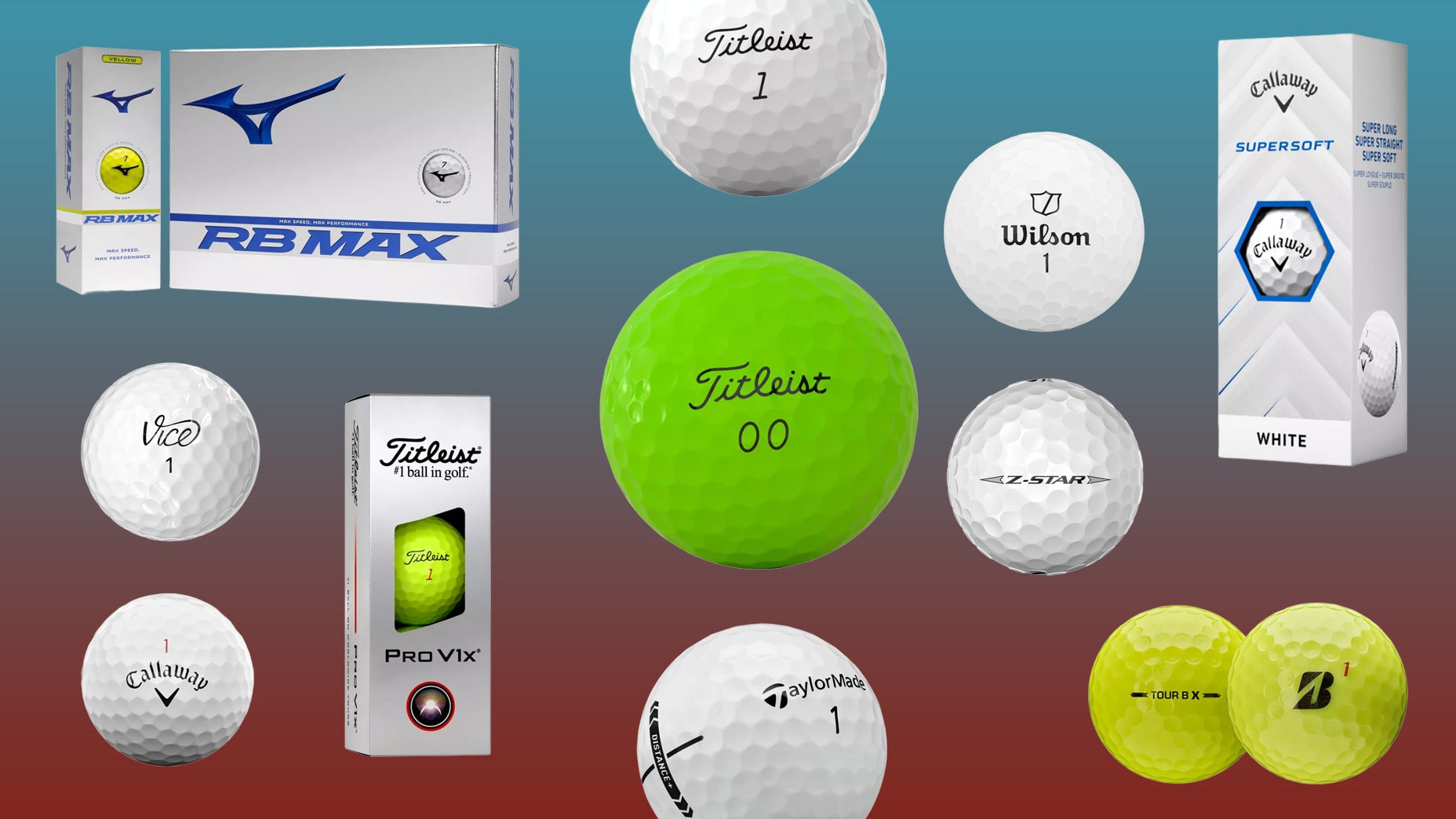
As we dive into the premium offerings for 2026, knowing how different characteristics align with player needs is essential. Here are some standout models that golfers should consider:
- Titleist Pro V1: Renowned for its soft feel and incredible distance, the Pro V1 remains a favorite among professionals. The urethane cover allows for exceptional spin control around the greens, making it an all-around performance ball.
- Callaway Chrome Soft: This offering balances distance with sensitive feel and control. The advanced dual-core design optimizes ball speed while maintaining low spin off the driver—ideal for players who require more distance without sacrificing touch.
- Srixon Z-Star: With a focus on maximizing spin and control, this ball features a softer inner core and a durable urethane cover, appealing to players who excel in short games.
- Bridgestone Tour B RX: Utilizing new aerodynamics technology, the Tour B RX enhances distance while its urethane cover affords excellent feedback, making it a top choice for tour-level performance.
- Wilson Duo Soft+ : As an excellent non-urethane option, this ball offers impressive distance and a soft feel, ideal for recreational players looking for affordability without compromising on performance.
Each of these models highlights a different aspect of performance, catering to various skill levels and playing styles. Looking at the right specifications and understanding one's game can greatly enhance the experience on course.
In their own words
"The new Pro V1 offers everything we've come to expect: impressive performance, improved distance, and that signature feel around the greens. It’s a game-changer for many."
— Golf Pro, Professional Player
"In my experience, the feel of a golf ball can make or break a shot. The Chrome Soft has the perfect balance of distance and feedback for every player."
— Golf Equipment Expert
What this means for golfers
For both budding amateurs and seasoned players, the significance of selecting the right golf ball cannot be overstated. Understanding the technical differences among urethane and non-urethane options helps players to make informed decisions that align with their skill sets and playing styles. When testing golf balls, players should consider factors like performance in various weather conditions, personal preferences regarding feel, and specific playing scenarios.
It is advisable for golfers to experiment with different models until they discover which ball provides them with the best combination of distance, feel, and spin. This individual testing will assist in optimizing performance on the course while allowing players to feel more confident in their equipment choices.
What's next
As golf technology continues to advance, we can expect even more innovative designs in the coming years, driven by developments in materials and fabrication techniques. Tournaments approaching in the latter half of 2026 will spotlight how these new golf balls perform under competitive pressures. Moreover, as manufacturers strive to meet environmental standards, we may also see a rise in eco-friendly golf ball options, further expanding the market.
In conclusion, choosing the optimal golf ball for one’s game remains a fundamental aspect of golf performance. As players assess their own preferences and skill levels, the pursuit of the ideal ball will undoubtedly shape the future of their game.