
Intro paragraph
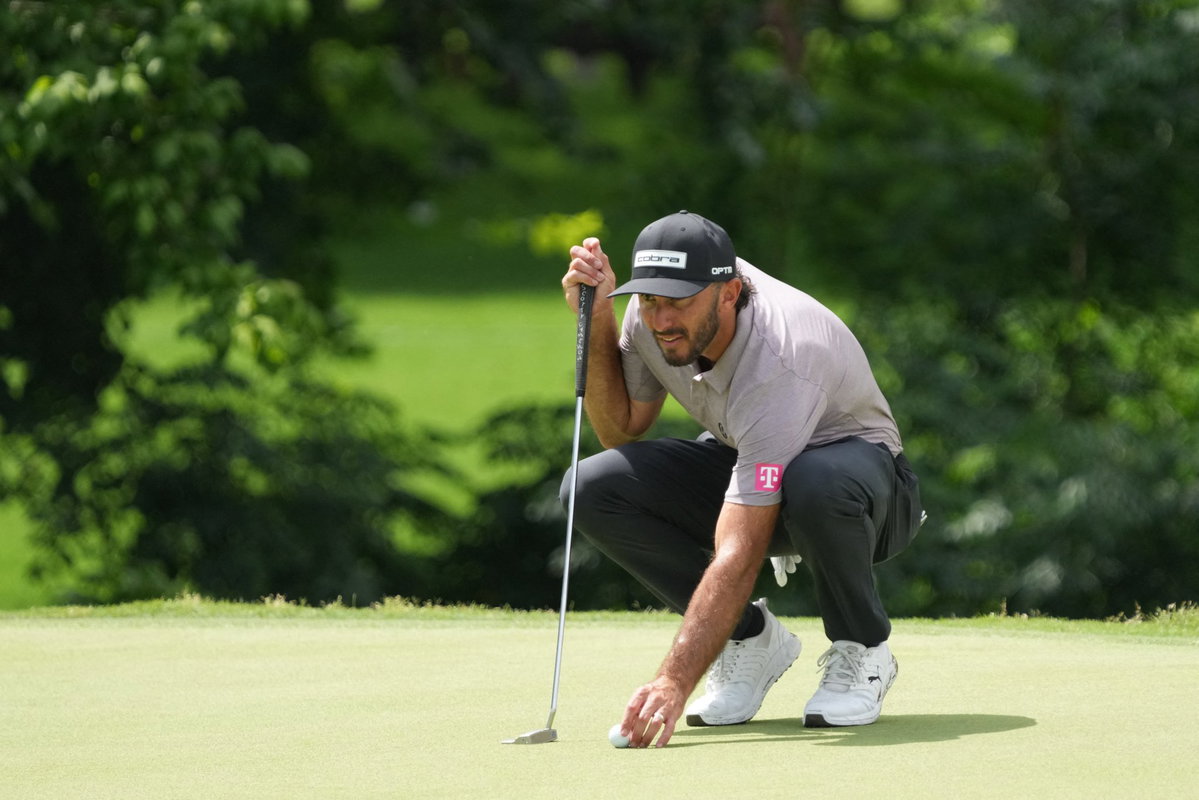
On what many call golf's longest day, the pressure was palpable as hopefuls tore through multiple qualifying sites for the 2026 U.S. Open. Among them, Max Homa, a rising star in the golfing world, faced disappointment by failing to secure his spot. This marks a significant moment not only for Homa but also for the tournament as a whole, leaving fans and analysts questioning the implications of such high-profile exclusions.
Key takeaways
- Max Homa, a key figure in modern golf, missed out on qualifying for the 2026 U.S. Open.
- Other notable players such as Scottie Scheffler, Rory McIlroy, and Bryson DeChambeau are also aiming to bounce back in the coming tournaments.
- A total of 13 sites hosted the qualifying rounds, intensifying the competition for a limited number of spots.
- Qualifying events are often filled with unexpected moments, as competitors experience the pressure of performing on the big stage.
- James Nicholas' journey to secure his qualifying spot showcased the fine line between fortune and misfortune on this challenging day.
Context and background
The U.S. Open, one of golf's four major championships, is renowned for its rigorous qualifying processes. This year, qualifying was held across 13 sites, a testament to the tournament’s popularity and the dramatic nature of competition in the sport. As golf continues to grow globally, more aspiring players are entering the fray, making qualification increasingly competitive. Last year saw 87 players advance out of several hundred, underlining the stakes and the level of effort required to make it to the tournament.
Max Homa has emerged as one of the preeminent talents on the PGA Tour, but his inability to secure a spot in the U.S. Open adds complexity to a career already marked by pivotal highs and lows. Notably, Homa's previous successes at major tournaments—winning the 2021 Genesis Invitational and finishing as a runner-up at the Wells Fargo Championship—have positioned him as a golfer to watch. However, missing the U.S. Open raises questions about his form and mental resilience moving forward.
High stakes and unexpected outcomes
The qualifying day demanded exceptional performances, and unlike any typical round, each stroke counted double—a fact that can apply immense pressure on seasoned golfers and amateurs alike. James Nicholas, another player highlighted for his qualifying attempt, experienced a roller-coaster journey filled with moments that illustrate how quickly fortunes can change in golf. His story, marked by both erratic swings and fortunate breaks, encapsulates why qualifying is often fraught with emotion and tension.
Missing out on the U.S. Open is particularly impactful for players like Homa and others who are seen as future stars. With both Scheffler and McIlroy expressing struggles recently, the absence of Homa from the tournament could open opportunities for other rising talents. The landscape of professional golf is highly fluid; one player’s downturn can often be another’s chance to shine.
Statistically, this year's qualifiers were set to feature a mix of seasoned veterans and aspiring newcomers, making it a hotbed for potential upsets. As the competition intensified at various sites, those that performed under pressure proved the adage that 'golf is a game of inches'—a missed putt here, a bad swing there, and suddenly, one's chances of playing at Shinnecock Hills slip away.
In their own words
"Every stroke matters, particularly on a day like today. It’s difficult to swallow when you think you’ve done well and just fall short."
— Max Homa
"I’m disappointed, but it’s part of the game. You learn from these experiences and build for the future."
— James Nicholas
What this means for golfers
The ramifications of such high-profile exclusions from major championships hit home for recreational golfers too. Homa’s experience serves as a reminder that no matter how skilled you become, the mental aspect of the game remains paramount. For aspiring golfers looking to perform under pressure, taking lessons from these qualifying rounds could help develop strategies for overcoming stress and maintaining focus.
From an equipment perspective, golfers can analyze their own performances and assess whether their current gear is helping or hindering their game. With advanced analytics now offered by many brands, recreational players can leverage technology to help refine their swings and improve consistency—two factors that often make the difference come qualifying day.
What's next
As we look ahead, the focus shifts to the U.S. Open at Shinnecock Hills. With Homa and several other top-tier golfers absent from the competition, the stage is set for a potential reshuffling of the leaderboard. Upcoming tournaments will be critical for stars like Scheffler, McIlroy, and DeChambeau as they seek to regain form and momentum. Keep an eye on these high-stakes matches as they will undoubtedly impact both the players' confidence and their standing going into the major. The summer golfing season promises plenty of drama both on and off the course, as each swing may define careers at the highest levels of the sport.


/https%3A%2F%2Fcdn.pijper.io%2F2026%2F06%2FRkUgIHk3UBT3tw1781080975.jpg)