
Introduction
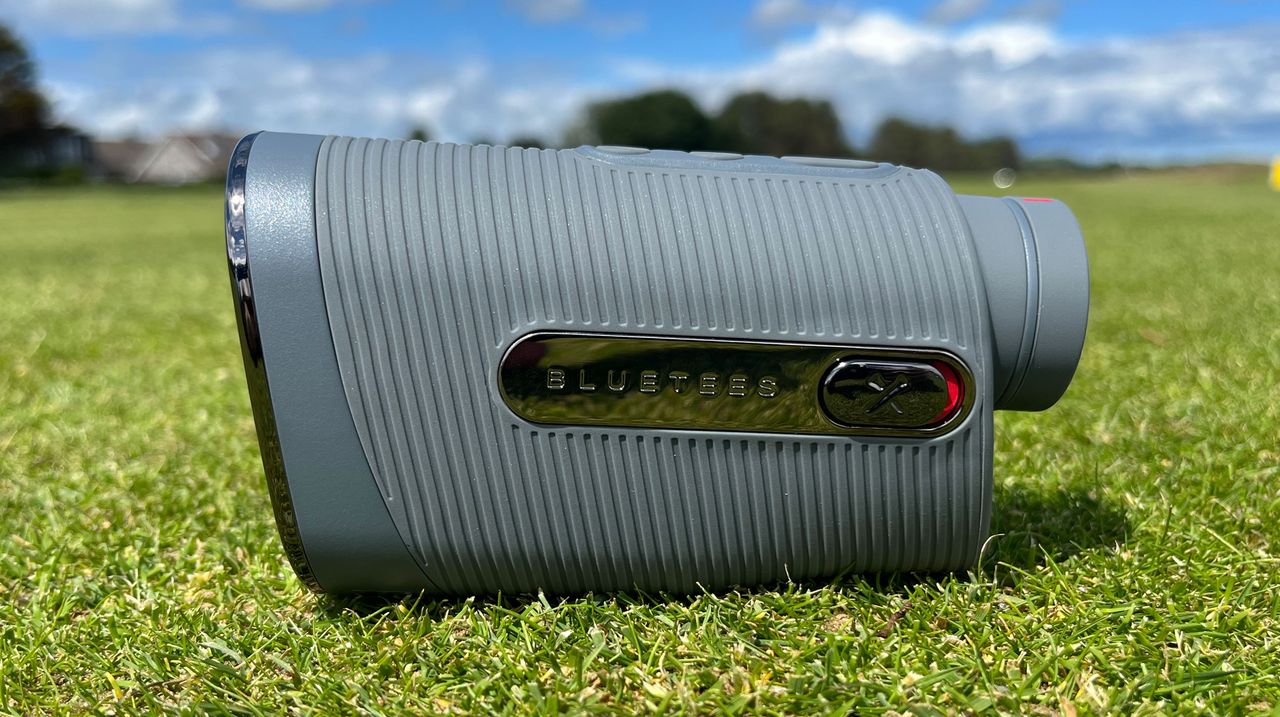
In an increasingly tech-savvy golfing world, the tools designed to improve performance on the course are evolving rapidly. The Blue Tees Captain Air Rangefinder aims to integrate modern connectivity features with traditional measuring technology, offering golfers a more streamlined way to gauge distances. With this cutting-edge device hitting the market for 2026, Conor Keenan takes the Captain Air for a spin to determine whether it delivers on its promises on the green.
Context and background
Rangefinders have become essential gadgets for serious golfers, allowing for precise distance measurements to the pin, hazards, and other features on the course. Over the past decade, rangefinders have transitioned from technological novelties to must-have tools, with brands like Blue Tees carving out a niche in the competitive golf equipment market. The introduction of connected devices, which utilize Bluetooth technology to enhance their functionality, marks a new chapter in this trend.
The rise of smart golf technology has been buoyed by statistics indicating that players who use rangefinders can improve their average scores. According to various studies, golfers with access to precise distance measurements can lower their scores by an average of 1-3 strokes per round. With the Captain Air, Blue Tees aims to build on this history while introducing features that could make rangefinding even more efficient and enjoyable.
Testing the connectivity of the Captain Air
The Blue Tees Captain Air offers a sleek design and a user-friendly interface, but what truly sets it apart is its connectivity features. The rangefinder boasts Bluetooth technology, which allows it to connect seamlessly to a smartphone app. This app provides golfers with an array of options, including course mapping, shot tracking, and even individualized club recommendations based on previous performance data.
In testing the device on a local course, Keenan put the Captain Air through its paces. Right off the bat, he found that the connectivity feature was both intuitive and advantageous, providing real-time updates on the course layout and any changes to conditions. This feature became particularly useful as Keenan navigated an unfamiliar course where knowing hole distances and elevations could be the difference between a par and a bogey.
Further testing revealed the accuracy of the rangefinder's laser measurement capabilities. On several occasions, Keenan confirmed that the readings given by the Captain Air matched those provided by traditional yardage markers, often within a yard or two. This consistency adds to the confidence of players, who tend to trust the technology when making critical shots.
In their own words
"Having the ability to connect my rangefinder to my phone changed the way I approach my game. The app gives me insights that were previously unattainable during play."
— Conor Keenan
"The Captain Air’s accuracy blew me away. I was able to play with confidence, knowing that I had the right distance for every shot."
— Conor Keenan
What's next
As technology continues to reshape the landscape of golf, the Blue Tees Captain Air rangefinder stands poised to make a significant impact in 2026 and beyond. With smart features becoming more mainstream, we can expect other manufacturers to either step up their game or fall behind in a rapidly changing market. For avid golfers, the rise of connected devices might represent not just a convenience but a means to lower their scores and enhance their enjoyment of the sport.
Upcoming events in the golfing calendar, such as regional championships and tournaments, may see a wave of players testing out devices like the Captain Air on the course. As the focus on data-driven performance grows, the integration of technology in golf is likely to expand even further, and the Captain Air could be at the forefront of this evolution. Golfers keen to leverage these advancements will want to keep an eye on trends and updates as they gear up for the new season.