Intro
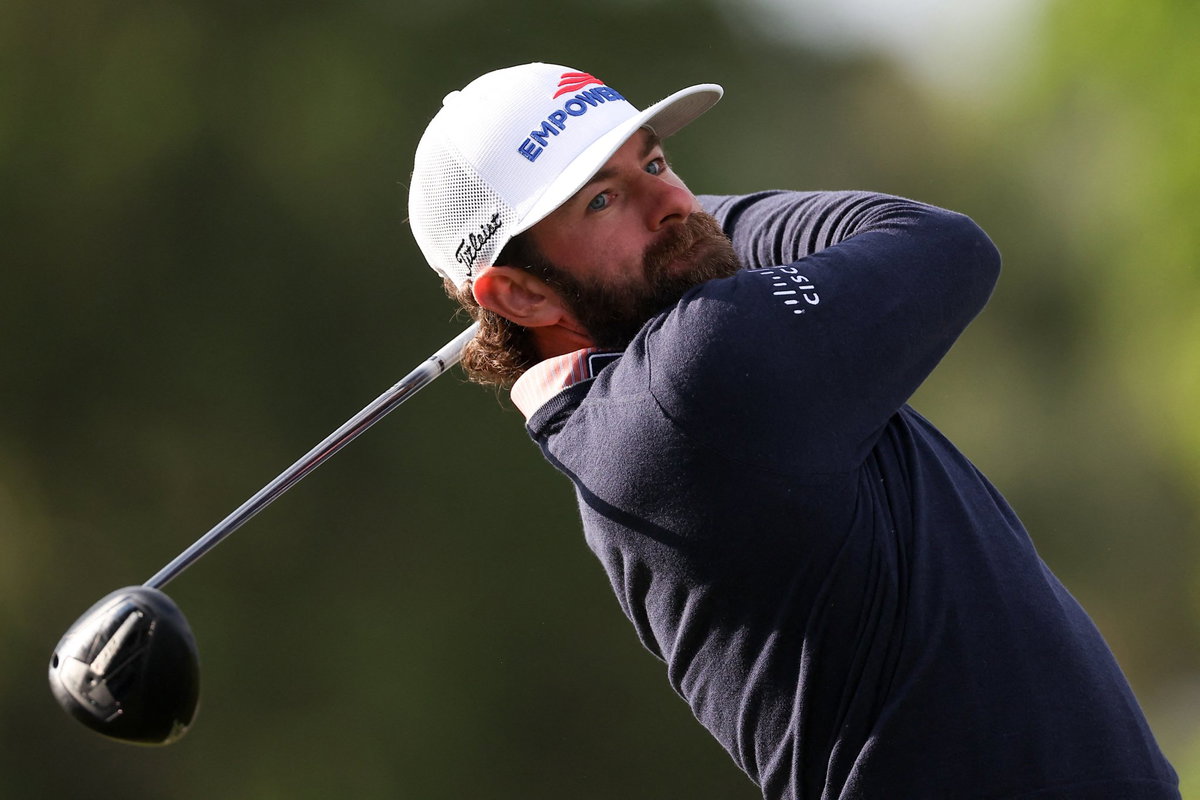
The pressure cooker environment of the Players Championship is well documented, but for young Scottish golfer Bob MacIntyre, it took an unexpected toll on his ability to focus on the course. He revealed that the stress of competing in such a prestigious event at TPC Sawgrass left him battling to keep his food down during the critical back nine. This candid admission sheds light on the often-overlooked psychological aspect of professional golf.
Key takeaways
- Bob MacIntyre discussed the immense pressure he felt at the Players Championship.
- Struggled to maintain his appetite, particularly during key moments of his final round.
- Highlighted the mentally taxing nature of high-stakes tournaments.
- MacIntyre emphasized the importance of mental resilience in golf.
- The event took place at renowned TPC Sawgrass, a challenging layout for all competitors.
Context and background
The Players Championship, often referred to as the unofficial fifth major, commands significant attention in the golf community. Held annually at TPC Sawgrass in Ponte Vedra Beach, Florida, it is renowned for its challenging 17th hole, the iconic island green that has witnessed both triumph and calamity. With a purse exceeding $15 million, a victory here can cement a player's status in the golfing elite.
Bob MacIntyre, an emerging talent from Scotland, has made notable strides on the PGA Tour in recent years. Known for his steady play and mental fortitude, MacIntyre's journey to prominence includes multiple Top 10 finishes and strong performances across various tours. However, the rigors of professional golf can magnify stressors that impact performance, especially in the hustle and bustle of a major event like the Players Championship.
Facing the heat: MacIntyre's Players Championship experience
As MacIntyre entered the back nine of the Players Championship, the stakes heightened, and so too did the anxiety. “I felt the pressure boiling, and it affected me more than I expected,” he shared. The adrenaline rush typical of a major championship combined with the sometimes oppressive environment of competing for one of golf's biggest titles put MacIntyre in a precarious position.
Struggling to maintain his appetite as the tournament progressed, he experienced an unfamiliar weight on his shoulders as he navigated each hole. The back nine is often where champions are made or broken, and for MacIntyre, it became a test of not just skill, but one of endurance and mental sharpness.
The player’s candid reflection on his experience illustrates the psychological strains that accompany high-stakes events. Touring professionals often prepare physically for the rigors of competition—practicing swings, honing short games, and perfecting putting—but MacIntyre’s experience highlights the critical area of mental preparedness, which is equally essential but sometimes overlooked in training regimens.
In their own words
“I just couldn’t eat during the crucial moments of the back nine. It’s like the stress just killed my appetite and focus. We need to talk about that more in our sport.”
— Bob MacIntyre
What this means for golfers
MacIntyre's revelations illuminate a crucial lesson for recreational golfers: the mind is as significant as the body when it comes to performance. While physical training and technique take precedence, the ability to manage stress and pressure can often dictate the outcome of a round. Recreational players should consider mental conditioning as part of their practice routines, employing techniques such as visualization, mindfulness, or relaxation strategies to enhance their focus under pressure.
Additionally, MacIntyre's experience underscores the importance of developing a personalized routine that includes nutrition and hydration strategies during rounds. Understanding how pressure affects one’s body can help in seeking solutions that optimize performance when it counts.
What's next
Looking ahead, Bob MacIntyre is poised to take these experiences into his future tournaments, particularly in high-pressure scenarios. As he refines his approach to mental resilience, fans will be eager to see how he handles tournament play at events like the upcoming Masters and U.S. Open, where expectations will be high and scrutiny will follow. His candidness about the pressure indicates a willingness to address mental challenges openly, which could benefit both him and aspiring golfers around the world.

/https%3A%2F%2Fcdn.pijper.io%2F2026%2F06%2FRkUgIHk3UBT3tw1781080975.jpg)