
Context and background
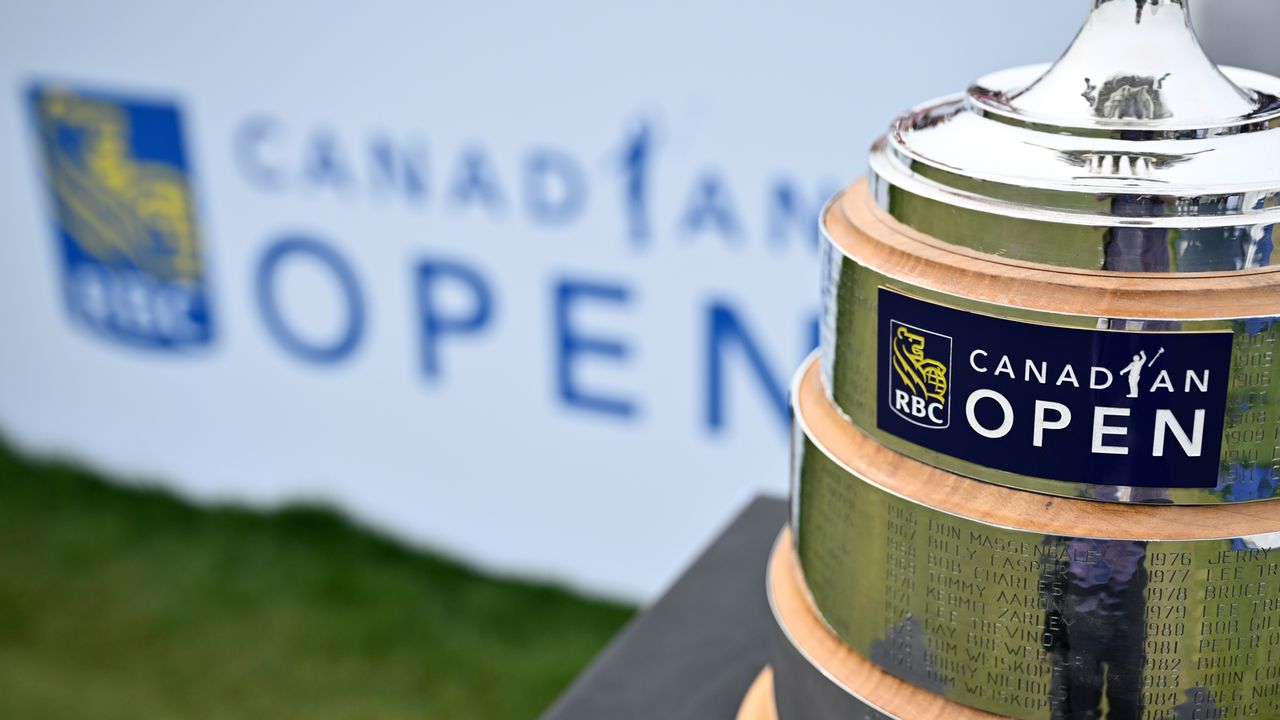
The Canadian Open has long served as a critical tune-up event for golfers preparing for the U.S. Open, one of the year’s four major championships. Many of golf's top players use this tournament to gain rhythm and momentum leading into the grueling challenges of major competition. However, when one of the game’s elite, such as Brooks Koepka, withdraws, it sends ripples through the golfing community and raises eyebrows about their preparation.
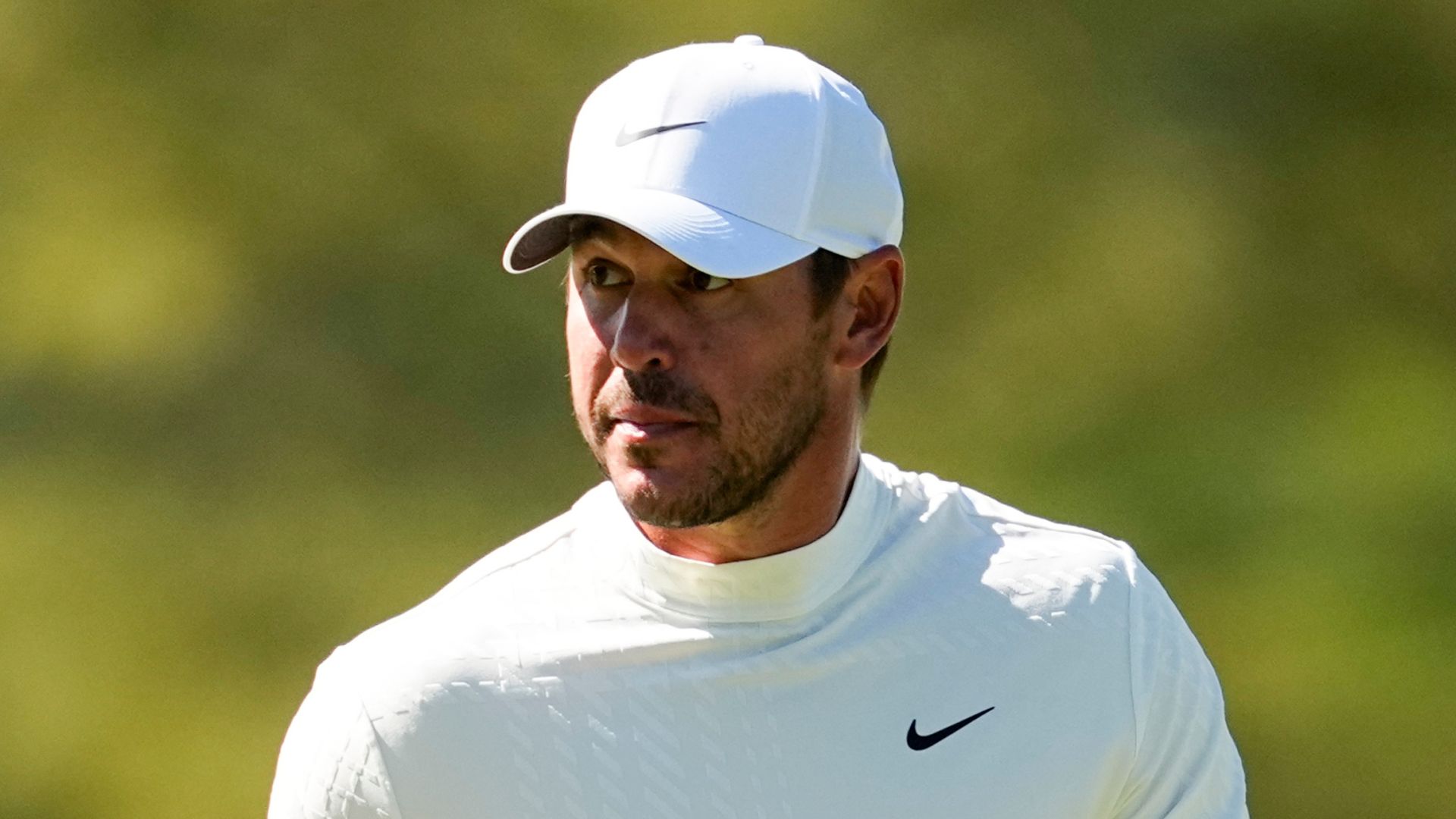
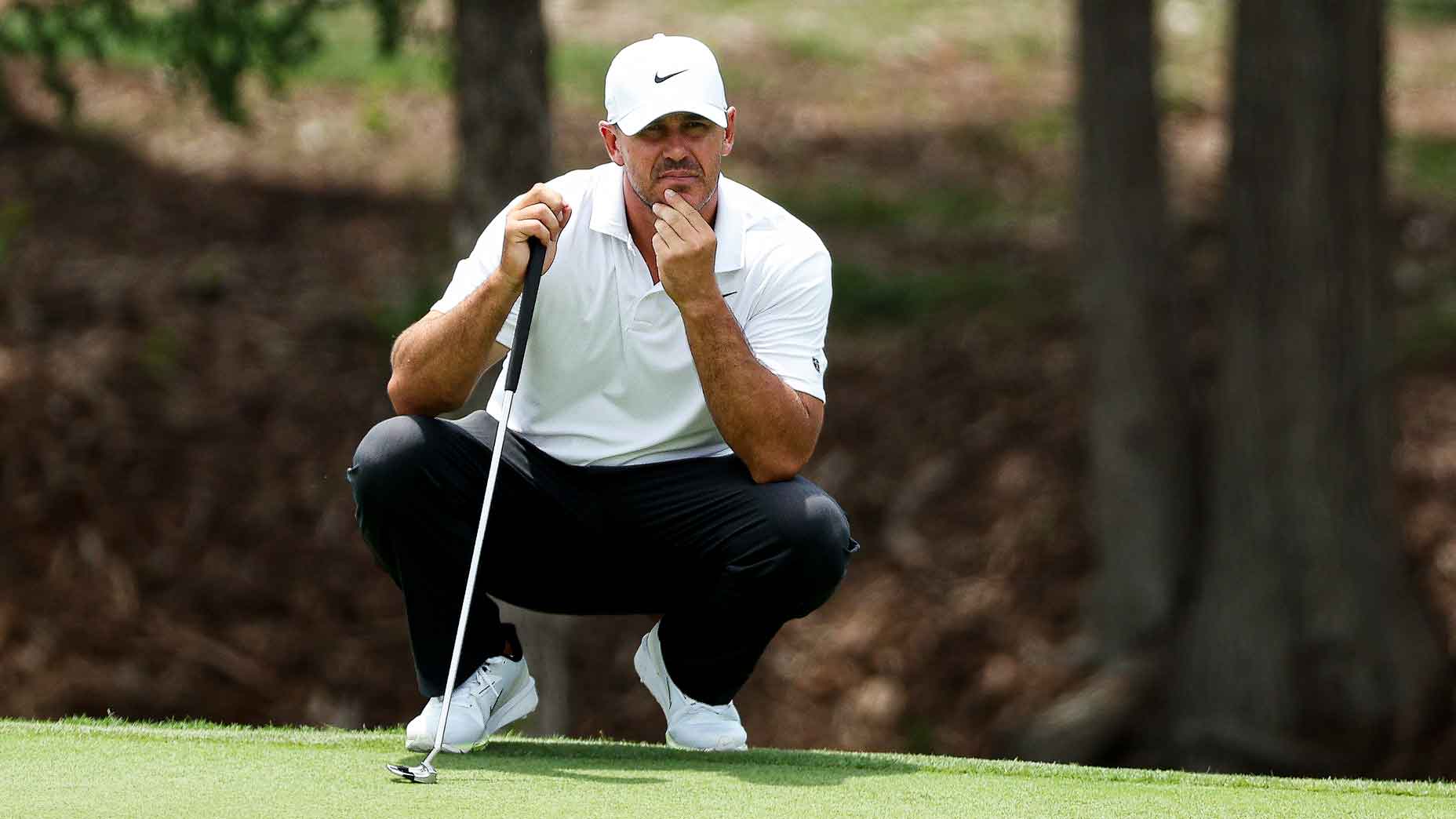
Brooks Koepka has established himself as a powerhouse in the world of golf. A four-time major champion, his most recent triumph came at the 2019 U.S. Open, marking an impressive defense of the title he claimed the prior year. Over the last few years, Koepka has showcased remarkable consistency, with an impressive career earnings record and a standing within the top ten of the world golf rankings. As he prepares to defend his U.S. Open title, this sudden decision to withdraw is particularly noteworthy.
Withdrawal casts a shadow over his U.S. Open preparation
When Brooks Koepka withdrew from the Canadian Open just days before he was set to defend his U.S. Open title at Shinnecock Hills, it not only raised concerns about his physical condition but also disrupted potential strategies in his quest to reclaim major glory. The announcement, made on a tense Sunday, draws attention to the challenges golfers face when they battle not just their opponents but injuries as well.
Hand injuries can be particularly concerning for golfers. The intricate mechanics of a golf swing heavily rely on the hands for control and power, meaning that any discomfort can drastically affect performance. Koepka's management of this injury will be closely monitored, especially as it could severely impact his chances at Shinnecock Hills. Given his previous successes at majors, his absence is felt in the anticipation leading up to the tournament.
The significance of this withdrawal transcends merely Koepka’s personal endeavor; it raises questions about the safety and physical demands professional golfers face on the tour. As players gear up for the intense competition of the U.S. Open, many will now ponder how injuries can derail even the most prepared athletes.
In their own words
"It’s always tough to pull out of a tournament, especially with the U.S. Open just around the corner. I have to prioritize my health, and I’m hoping for a quick recovery."
— Brooks Koepka
What's next
Looking ahead, the implications of Koepka’s withdrawal will be closely analyzed in the lead-up to the U.S. Open. Officials and competitors alike will keep a sharp eye on his status as they assess the potential impact on the tournament’s dynamics. Other players who are vying for the title will undoubtedly see this as an opportunity to capitalize on a potential gap left by Koepka’s absence.
As the golf community rallies behind Koepka, hopes remain high for a swift recovery. His fans and fellow competitors are eager to witness his return to form, especially at a major where he has previously thrived. The coming days will not only be crucial for Koepka’s health but also pivotal in reshaping narratives heading into one of golf’s premier events. How the golfing world responds—to both Koepka’s health status and the competitive landscape of the U.S. Open—will unfold in the days leading up to the tournament, promising an engaging lead-up to this storied championship.