
Context and background
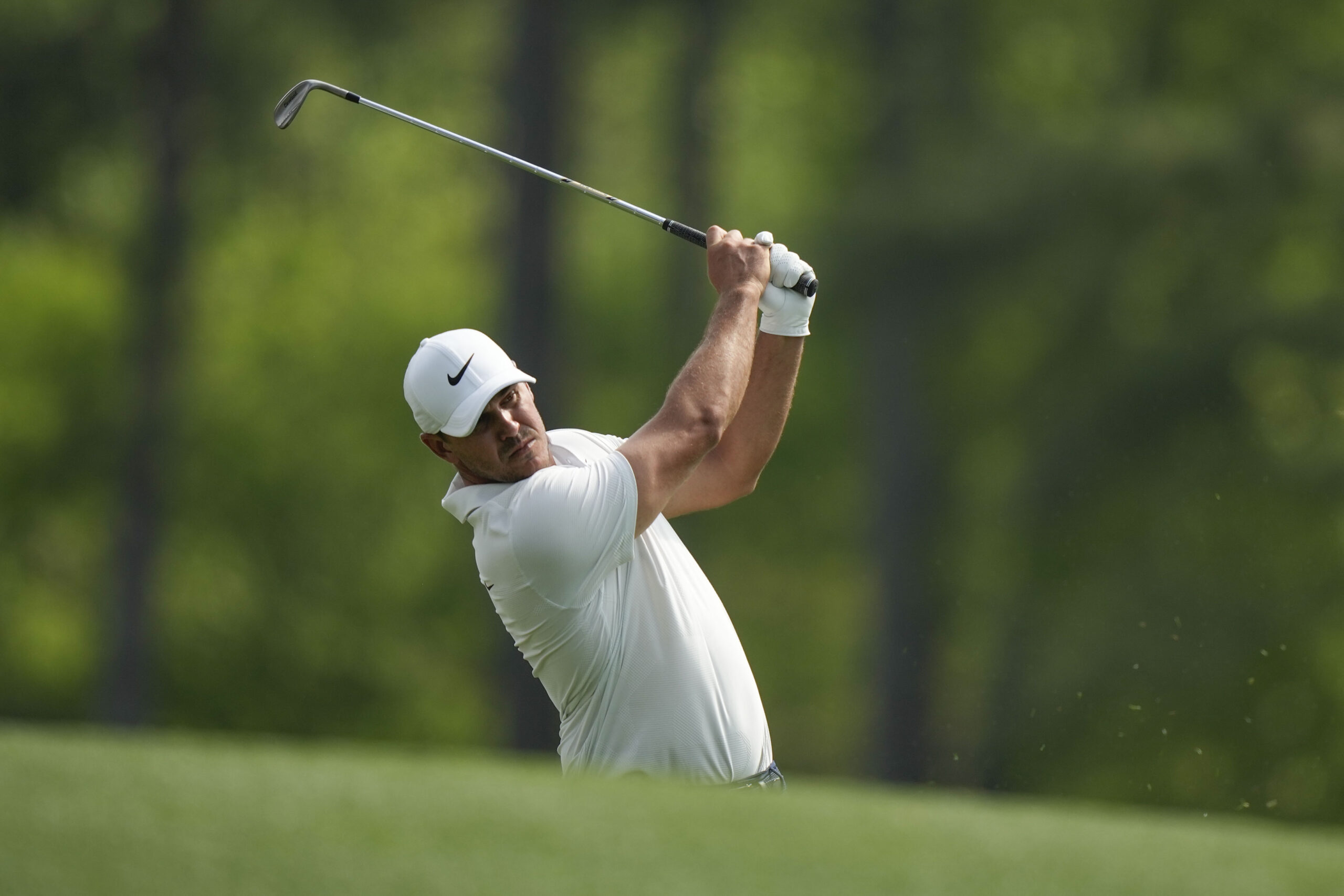
Brooks Koepka, a five-time major champion, has been a prominent figure in professional golf, renowned for his powerful game and remarkable achievements. Having clinched titles at the U.S. Open and PGA Championship in back-to-back years, Koepka has established a legacy that reflects both his skills and resilience on the course. However, the recent announcement of his withdrawal from the RBC Canadian Open due to a hand injury brings uncertainty not only to his fitness but also to his participation in the upcoming U.S. Open.
His status for the tournament remains unclear following an incident where he experienced numbness in his left hand. This is particularly concerning as just prior to this event, Koepka was considered a serious contender for the U.S. Open. Traditionally, the Canadian Open has served as a warm-up event for players, calibrating their games for the major championship that follows.
Koepka's struggle with injury raises eyebrows
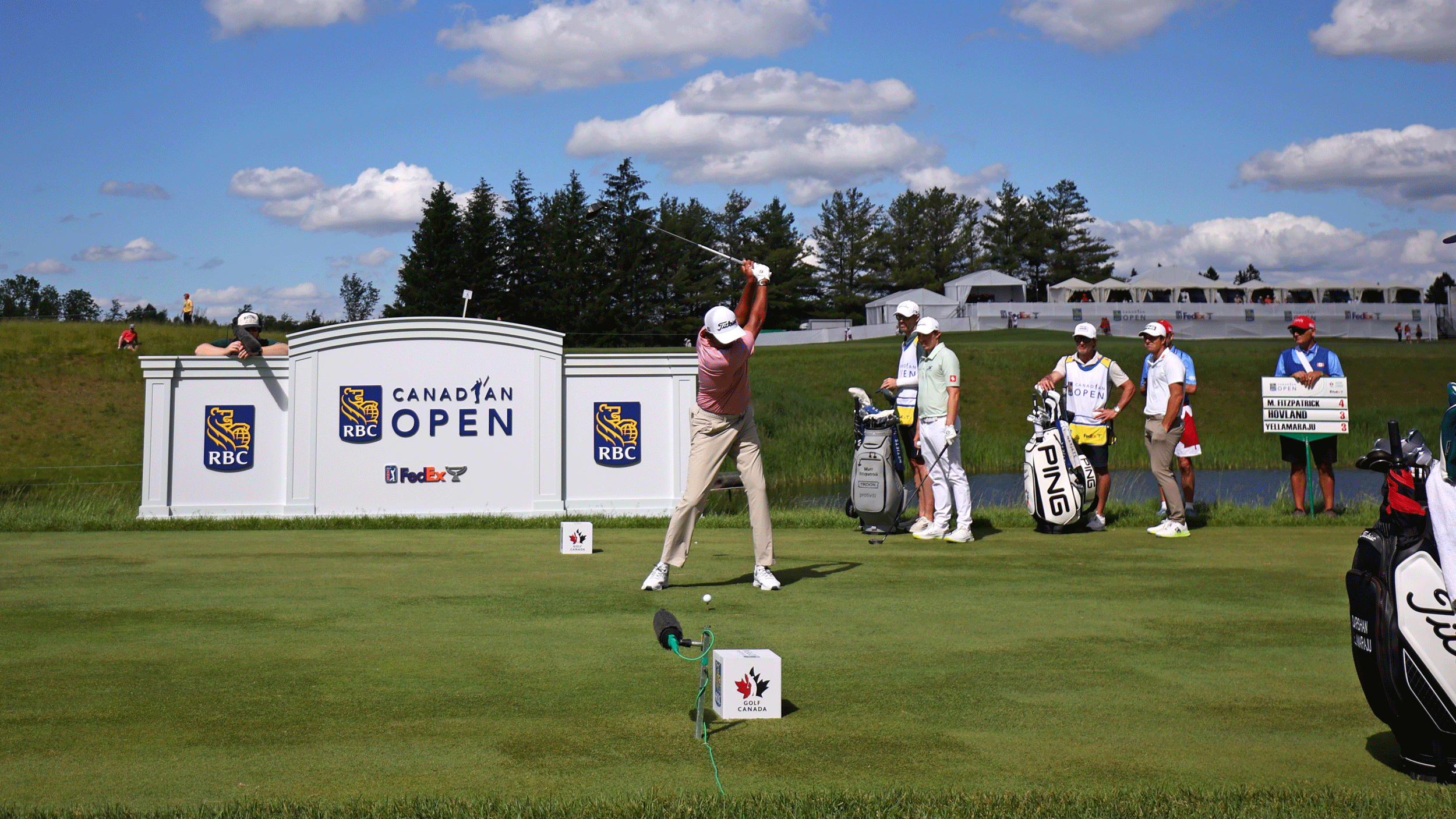
During the RBC Canadian Open, held at TPC Toronto, Koepka showcased his competitive spirit, but he ultimately withdrew before the final round. Issues began to arise when he reported losing sensation in his left hand, specifically affecting the ring and pinkie fingers. This debilitating condition significantly hindered his ability to grip the golf club, an essential skill for performance in the sport.
The timing of this injury could not be worse—just days before the U.S. Open, where competitors are expected to perform at peak physical condition. The psychological aspect of managing an injury can weigh heavily on even the strongest athletes. Koepka's history of injuries has made fitness a focal point in his career, leading to concerns that his latest woe may jeopardize his performance at one of golf's most significant events.
As a golfer ranked among the elite, any potential absence from such a prominent event raises discussions about his readiness and capability as he aims for more major titles. The U.S. Open, with its demanding courses and competitive field, is where Koepka has truly excelled in the past, contributing to his formidable reputation. How this injury plays into his preparation will be vital in the coming days.
In their own words
"It's frustrating to withdraw, especially knowing how much I was looking forward to competing in the Canadian Open. Playing at TPC Toronto is always a challenge, but I felt something was off with my hand, and I needed to prioritize my health."
— Brooks Koepka
What's next
The anticipation now shifts to Koepka's condition leading up to the U.S. Open. As the golfing community watches closely, updates on his health will undoubtedly shape the narrative of the tournament. Will he recover in time to participate, or will he take the necessary steps to ensure a full recovery, potentially sitting out the major event?
With the U.S. Open just around the corner, spectators and fans alike are left pondering not only Koepka’s future in the event but also the larger implications for his career if injuries persist. Major tournaments often gather the best golfers in a tense, competitive atmosphere, and Koepka’s absence would be felt keenly.
As we gear up toward the first tee shot of the U.S. Open, one thing remains clear: Brooks Koepka’s journey through injury and recovery will have significant implications, not just for his individual performance, but also for the competitive dynamics of the field. Golf enthusiasts will be eagerly watching for any updates, hoping for a swift return for one of the sport's titans.