


Introduction
In an era where professional golf is witnessing unprecedented distances off the tee, Bryson DeChambeau’s bold pronouncement serves as both a challenge and a warning. The long-hitting golfer recently stated, "I caution anybody that tries to change the rules" in relation to ongoing debates surrounding the increasing lengths players are achieving thanks to advancements in equipment and other contributing factors. As golf grapples with the implications of distance on the game, DeChambeau’s insights spark crucial conversations about equity, tradition, and the future of the sport.
Key takeaways
- DeChambeau voices strong opposition to altering golf’s rules regarding distance.
- He highlights that technological advancements are not the sole reason for increased player distance.
- The debate around distance in golf raises fundamental questions about tradition and the game’s integrity.
- Professional golfers continue to push boundaries, with records being shattered almost annually.
- The conversation around distance involves potential changes to equipment regulations and course layouts.
Context and background
The discussion surrounding increased distance in golf has become a hot topic over the last couple of decades, with equipment technology evolving rapidly. Innovations such as high-tech drivers and customizable golf balls have allowed players to hit with unprecedented power and accuracy. In fact, according to the PGA Tour, the average driving distance has increased by nearly 20 yards over the past two decades, reaching approximately 297 yards in 2022.
As players like DeChambeau consistently showcase their ability to send the ball soaring, traditionalists worry about how this shift affects the game’s integrity and the very nature of competition. Some within the sport argue that changes to equipment regulations must be considered to preserve the essential challenges of golf and ensure that more physically gifted players do not dominate purely through technological advantages.
The distance debate: drivers, technology, and tradition
The tension between tradition and modernization is palpable as technological advancements continually reshape the landscape of golf. Bryson DeChambeau, known for his scientific approach and physical transformation, asserts that while technology plays a pivotal role, it may not be the only factor influencing distance. He argues, "Many people believe that technology is the reason, but the swing changes, fitness, and understanding of mechanics also play a major role in how far we hit the ball. It’s more holistic than it seems." His perspective suggests that players are also adapting their physicality and strategies to maximize their capabilities, a blending of science and art that may not be entirely attributable to just advancements in equipment.
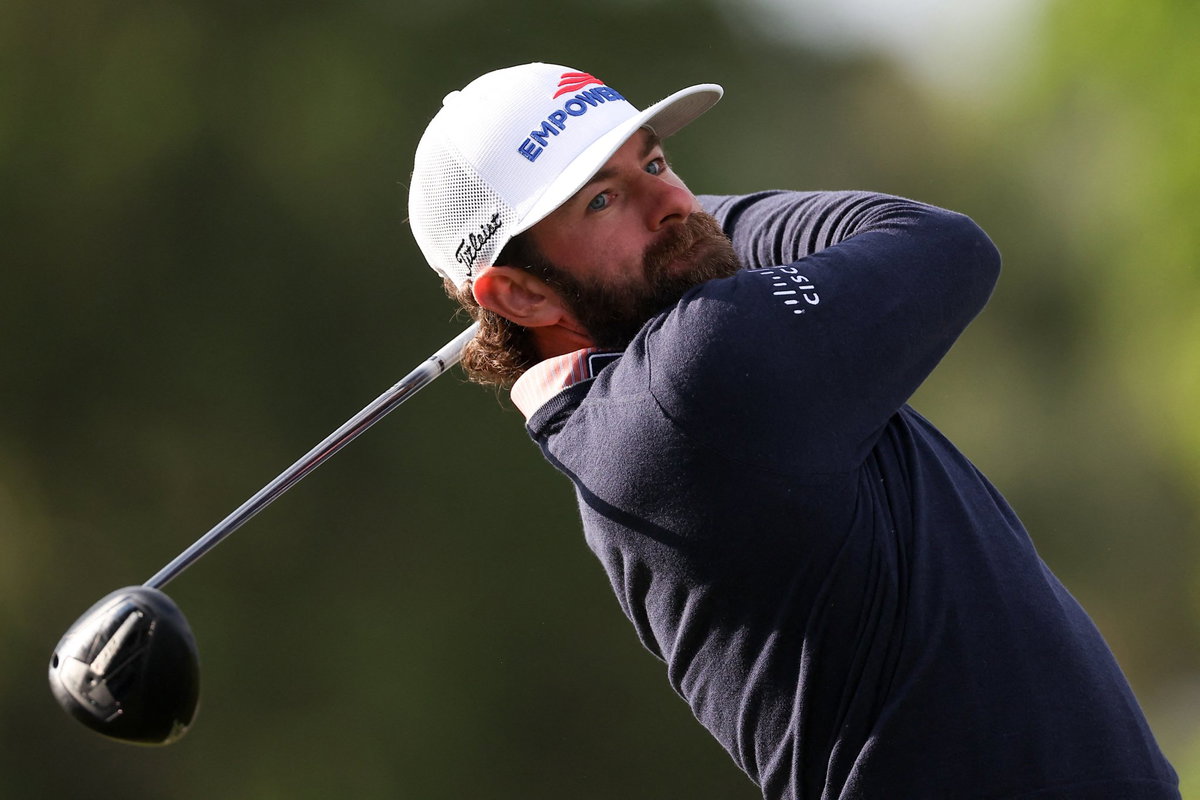
Comparatively, Tiger Woods and Phil Mickelson set distance benchmarks in the early 2000s that seemed insurmountable at the time. Now, with players like DeChambeau and Cameron Champ regularly smashing drives into the 350-yard range, the conversation has shifted from who can hit the farthest to what must be done to maintain a competitive balance. The use of technology, including launch monitors and advanced swing training regimens, has become commonplace, further blurring the lines between skill and equipment.
In their own words
"I caution anybody that tries to change the rules. The implications of that could change the game forever. We need to embrace the distance and find smarter solutions to challenge ourselves as golfers."
— Bryson DeChambeau
“While the advancements are remarkable, we cannot lose sight of the game’s core essence. It’s about shot making, creativity, and a deep understanding of the course.”
— Golf analyst
What this means for golfers
Recreational golfers observing the ongoing distance debate can draw several lessons from this discussion. First, regardless of technological advances, honing one’s own swing and understanding the mechanics behind distance can significantly impact performance. Players should invest time in developing a solid understanding of their own bodies and how they interact with their equipment.
Additionally, with equipment becoming highly specialized, choosing the right driver has never been more crucial. Golfers may benefit from consulting professionals to find the ideal combination of technology and personal performance, whether it be through custom fittings or comprehensive lessons focused on maximizing distance without sacrificing accuracy. This holistic approach is increasingly relevant as the game evolves.
What's next
As the discussion around potential rule changes and equipment regulations continues, golf’s governing bodies, including the USGA and R&A, are under significant pressure to weigh various factors. The ongoing debate signifies not only a shift in how golf is played but also hints at upcoming adjustments that may redefine course designs and player strategy. With several major tournaments on the horizon, it will be fascinating to see how this conversation influences both player preparation and fan engagement moving forward. No doubt, the actions taken in the coming years could shape the future of golf and its enduring heritage.


/https%3A%2F%2Fcdn.pijper.io%2F2026%2F06%2FRkUgIHk3UBT3tw1781080975.jpg)