
Introduction
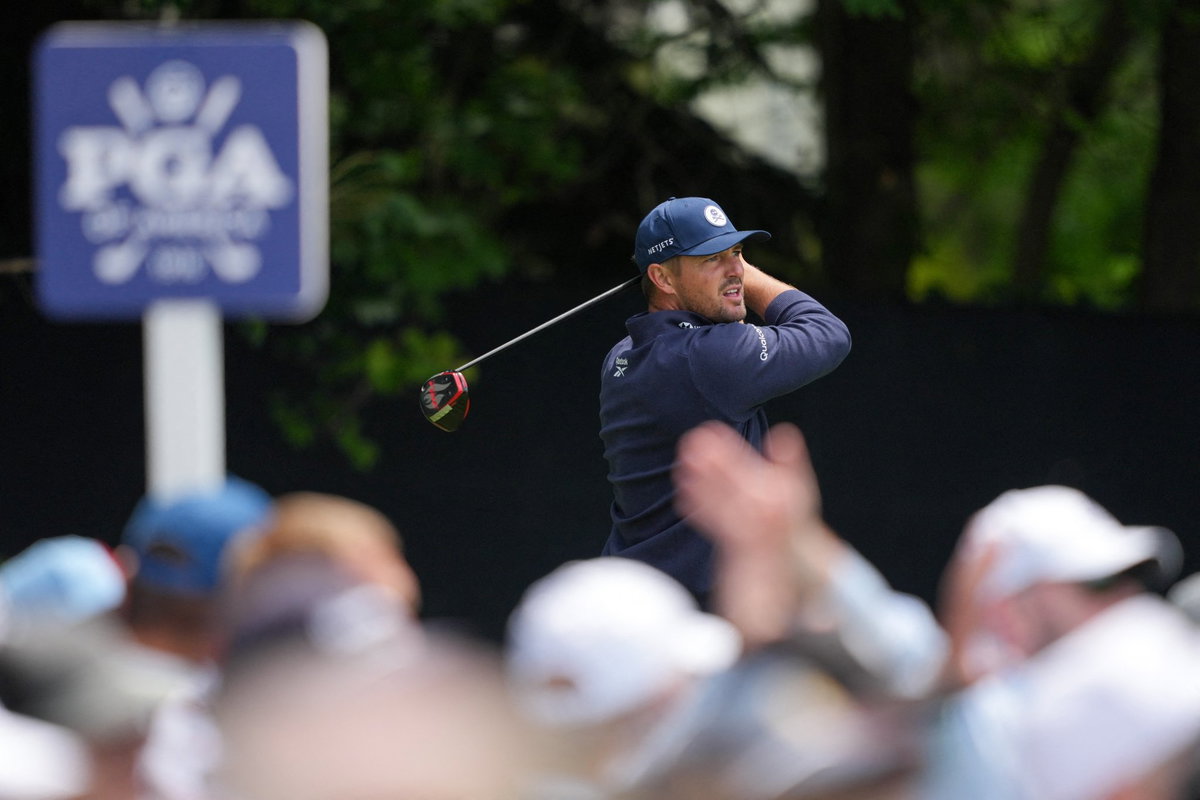
This year's PGA Championship kicked off with high hopes for Bryson DeChambeau, but the week quickly took a disappointing turn. Following a challenging first round at Aronimink Golf Club, DeChambeau chose to once again decline media interviews, a decision that has become all too familiar in recent tournaments. This latest incident adds to the scrutiny surrounding the golfer’s relationship with the press and his mental state on the course.
Key takeaways
- Bryson DeChambeau struggled during the opening round of the PGA Championship, failing to meet expectations.
- After his disappointing performance, he declined all post-round media interviews.
- This is not the first time DeChambeau has opted out of speaking with the media, indicating a long-standing pattern.
- His refusal has drawn mixed reactions, with some expressing concern for his mental approach to the game.
- The golfer's performance continues to raise questions about his competitive mindset and public persona.
Context and background
The PGA Championship, one of golf’s four major events, often serves as a platform for players to showcase their skills under pressure. Historically, DeChambeau has been a polarizing figure in the world of golf, often praised for his scientific approach to the game yet criticized for his behavior on and off the course. After a highly publicized victory at the U.S. Open in September 2020, a transformation in his playing style and personality where he began to embrace the long-drive game led to immense anticipation for his future performances.
However, since that triumphant moment, DeChambeau has faced several ups and downs in his career that culminated in his decision to avoid the media after lackluster rounds. His world ranking has fluctuated, currently sitting outside the top 10, a position that is at odds with his previous accolades as a major champion. Notably, in the 2021 PGA Championship, he recorded rounds that were inconsistent with his typical performance, leading to questions about his preparedness and mental fortitude.
A bumpy ride at Aronimink
As the first round of the PGA Championship got underway at Aronimink, expectations for DeChambeau were riding high. Despite his preparation, he exhibited signs of struggle on the course, with erratic tee shots and putting challenges that left his followers and analysts perplexed. Completing the round unexpectedly over par, it was evident that the unique layout of Aronimink presented difficulties he could not surmount this time. Speculation began to rise about the potential impact of this startling performance on his mental approach to the game.
Declining media interaction can often serve as a protective measure for players who are emotionally charged after poor rounds. In DeChambeau's case, this avoidance of interviews speaks volumes about how intensely he feels the pressure to perform. Each missed interview raises further questions about his confidence and emotional state, as he faces growing critiques both from fans and analysts alike. The fact that other golfers might take these media opportunities to provide insights and improve their public relations only makes his decision more notable.
In their own words
"The pressures of the game can sometimes overwhelm the best of us. I have to find a way to re-center and focus on my next round."
— Bryson DeChambeau
"It's tough to see someone so talented struggle. I hope he finds his way back to a place where he feels comfortable sharing with us again."
— Golf analyst
What this means for golfers
For amateur golfers, DeChambeau's refusal to engage with the media highlights an important aspect of mental health in sports. It serves as a reminder of the pressures athletes face and the personal coping mechanisms they establish, which may not always include public engagement. Recreational golfers can learn from this experience by recognizing the importance of mental health and communication. Establishing good relationships with their fundamentals can help them navigate the inevitable ups and downs associated with the game. On the equipment front, DeChambeau serves as a significant influence in the golf industry, and those curious about his philosophy may consider testing various technologies that promote distance and accuracy, while also staying aware of the mental aspects of golf that transcend mere physical performance.
What's next
As the PGA Championship progresses, all eyes will be on DeChambeau to see if he can bounce back in subsequent rounds. Understanding how he manages to recover from this opening round will be critical both for his performance and public image. The fallout from this experience may have implications for his future tournament strategies and media relations. Following this event, golfers and fans alike should prepare for the upcoming Ryder Cup, where team dynamics and personal performances will similarly be under scrutiny, particularly for players like DeChambeau, who thrive under pressure but have faced challenges in recent outings.
/https%3A%2F%2Fcdn.pijper.io%2F2026%2F06%2FRkUgIHk3UBT3tw1781080975.jpg)