Key takeaways
- Bryson DeChambeau believes both LIV Golf and the PGA Tour face significant business model challenges.
- The withdrawal of funding from the Saudi Public Investment Fund raises questions about LIV Golf's future.
- DeChambeau emphasizes the need for adaptive strategies for survival in the evolving golf landscape.
- The ongoing rivalry has led to a split within professional golf, impacting players and fans alike.
- Analysts warn of potential long-term effects on the sport's overall popularity.
Context and background
The professional golf landscape has undergone a seismic shift since the inception of LIV Golf in 2021, a tour backed by the Saudi Public Investment Fund (PIF). The innovative formats, lofty prize pools, and ability to attract established stars like Phil Mickelson and Dustin Johnson garnered immediate attention. In contrast, the PGA Tour, with its long-standing history and traditions, found itself on the defensive. The stark differences in financial offerings became apparent; for example, in 2022, LIV Golf splashed out a staggering $255 million in total prize money, overshadowing PGA Tour events, which often struggle to breach the $10 million threshold.
However, the recent announcement regarding the PIF's withdrawal of funding has cast doubt on LIV Golf's future viability. The ramifications have the potential to leave both tours vulnerable as they navigate this unprecedented rivalry.
DeChambeau's perspective: addressing the uncertainty
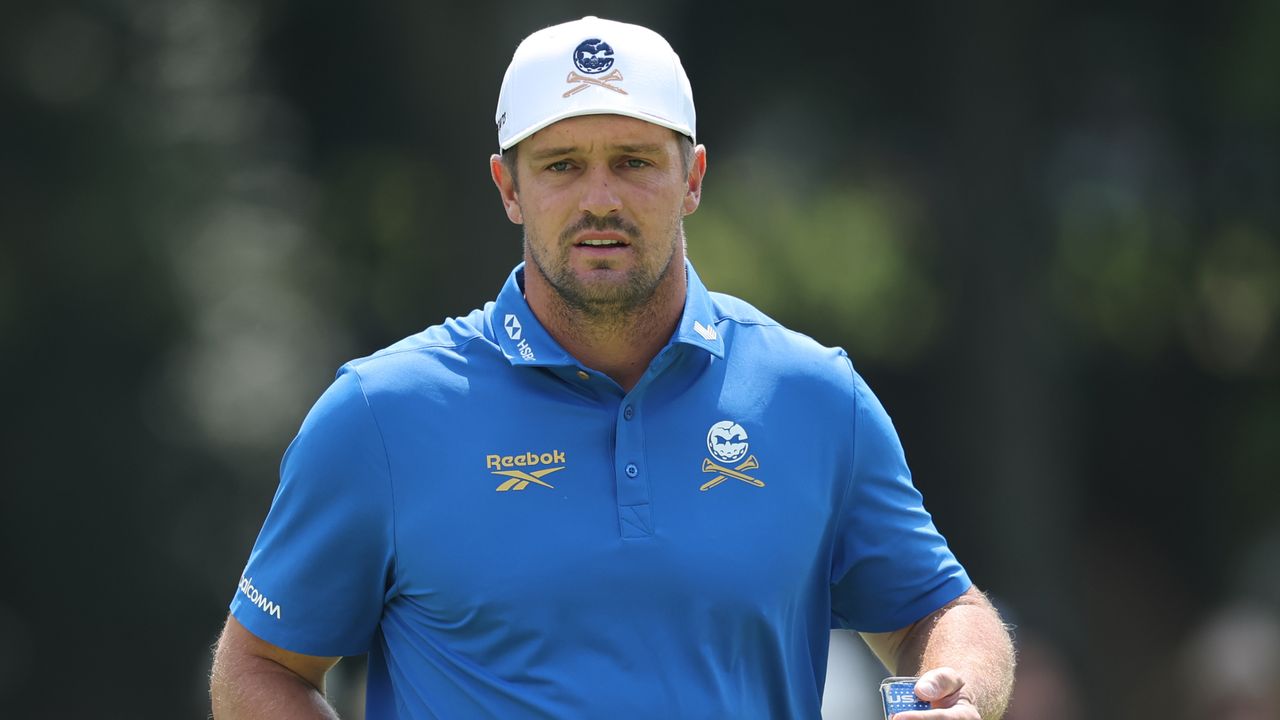
In recent interviews, Bryson DeChambeau expressed concerns that the PGA Tour cannot rest on its laurels. “This is not just a matter of LIV Golf needing to reassess; the PGA Tour isn't doing great either,” he stated emphatically. He highlighted that the evolving nature of the sport calls for both tours to innovate and drive financial sustainability forward.
As the world of golf critically examines its future, DeChambeau’s insights reflect a growing apprehension regarding both organizations' evolution. The PGA Tour has been criticized for its conservative stance, which imposes restrictions on player freedom. Meanwhile, LIV Golf’s dependence on a fragile funding model raises alarms about its long-term sustainability.
Since LIV Golf's emergence, the PGA Tour has attempted to counteract its appeal with increased prize funds and new incentive structures aimed at retaining top talent. However, many believe it could be too late to persuade players who have already signed lucrative contracts with LIV.
In their own words
"This is not just a matter of LIV Golf needing to reassess; the PGA Tour isn't doing great either."
— Bryson DeChambeau
What this means for golfers
The ongoing discourse surrounding business models and their sustainability poses significant implications not only for top-level players but also for recreational golfers. Understanding the impact of financial stability on tournament quality, course maintenance, and the availability of opportunities is crucial for any golf enthusiast. As professional players engage in negotiations centered around contracts and prize purses, local club members and amateurs can find comfort in the stability offered by regional tours.
This evolving situation highlights the importance of versatility and adaptability for both professional athletes and casual players alike. Recognizing how shifts in the top echelons of the game can trickle down and affect local golf events is essential for anyone passionate about preserving the sport.
What's next
As the world watches the uncertainty surrounding LIV Golf and the PGA Tour unfold, the next major tournaments will undoubtedly remain focal points in the discussion. The coming months will be pivotal as both tours strive to solidify their business strategies in the face of increasing scrutiny.
Will the PGA Tour continue to innovate and embrace new ideas, or will it double down on its time-honored traditions? Meanwhile, can LIV Golf establish a sustainable operational model devoid of its major financial backer? The responses to these questions are likely to shape the trajectory of professional golf in the foreseeable future.
Golf fans should buckle themselves in for an intriguing ride in the weeks and months ahead, as the outcomes of these organizational questions could define the sport's fabric for years to come.
/https%3A%2F%2Fcdn.pijper.io%2F2026%2F05%2FAIb9RBTkizGu6D1778092785.jpg)