
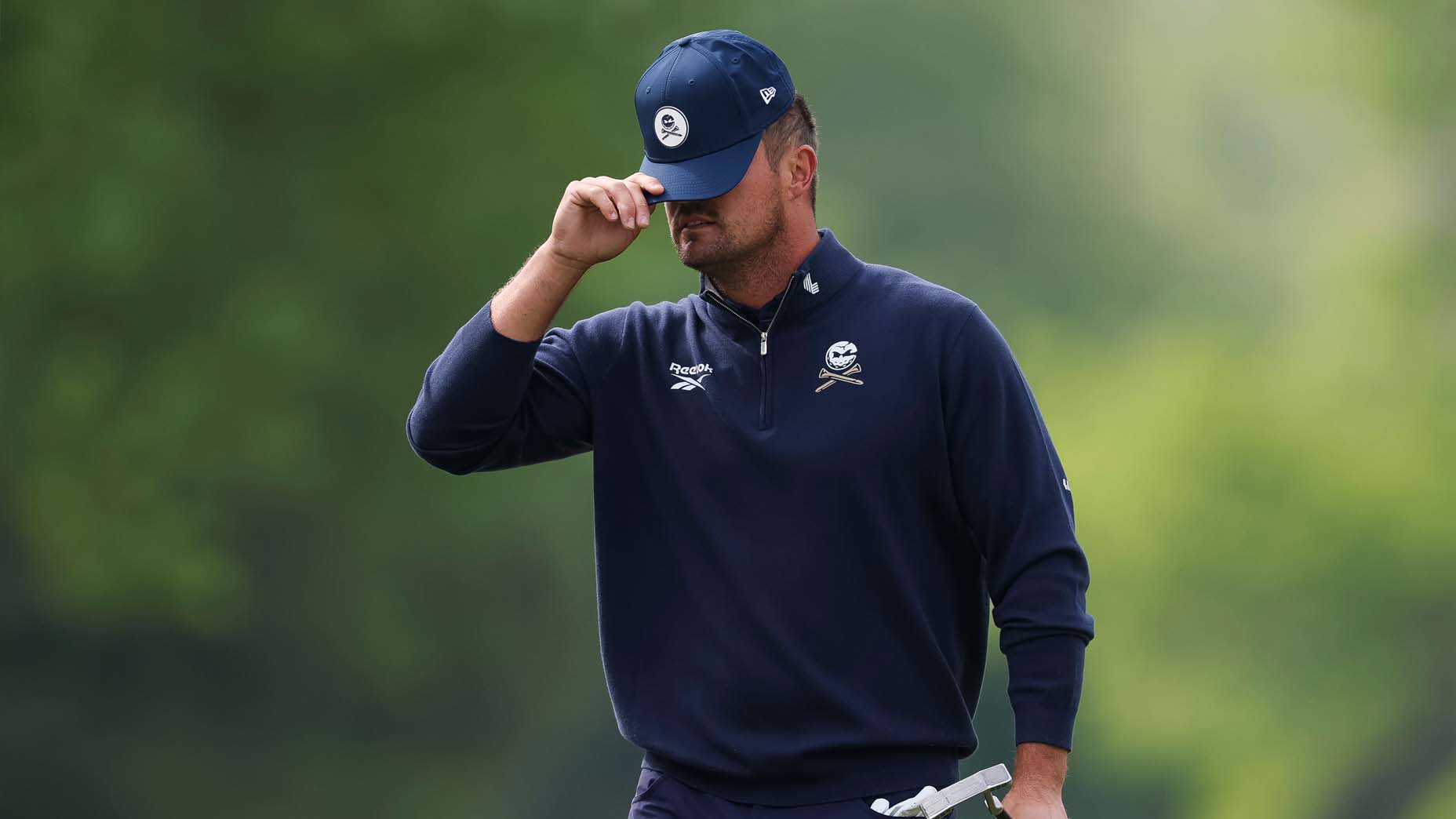
Bryson DeChambeau, a figure recognized as much for his scientific approach to golf as his dramatic style, faced an uncharacteristic struggle during the 2026 PGA Championship. Before the tournament commenced and in the muted aftermath of his performance, DeChambeau's demeanor revealed a profound narrative of disappointment that his words alone could not convey.
Key takeaways
- Bryson DeChambeau struggled significantly during the 2026 PGA Championship, leading to a disheartening start.
- His performance reflected a larger trend of inconsistency that has surfaced in recent tournaments.
- Body language and silence post-round suggested a deeper impact on his mental game.
- Fans and analysts alike noted the stark contrast to his typical competitive spirit.
- Implications for DeChambeau’s season ahead could mean a period of reevaluation and adjustment.
Context and background
As a player who once dominated the headlines with record-breaking distance and an unparalleled work ethic, Bryson DeChambeau has consistently captured the imagination of golf fans. His professional journey began with a notable victory at the 2015 U.S. Amateur, and the subsequent transition to the PGA Tour marked him as a rising star. By 2020, his transformation into a long-drive specialist garnered further acclaim, culminating in his major win at the 2020 U.S. Open, effectively changing the modern approach to golf.
However, the tides turned in 2022 as competitive dynamics shifted. While initially thriving, DeChambeau started to encounter a series of inconsistencies, reflected by fluctuations in his world ranking. Transitioning into 2026, he aimed to reclaim his status but faced disheartening outcomes in key tournaments, leading up to a disastrous start at the PGA Championship.
A telling silence speaks volumes
During the opening phase of the PGA Championship, the atmosphere surrounding DeChambeau was starkly different. Where most players engage with fans and media, DeChambeau remained withdrawn, a viscerally silent figure amidst the clamor of the tournament. His usual confident swagger was notably absent. As he navigated through the initial rounds, a series of uncharacteristic errors on the course—mishit drives and misplaced putts—resulted in scorecards that painted a picture of unraveling focus and mental fatigue.
The aftermath was equally telling. Post-round interviews are typically filled with insights, analysis, and an underlying sense of optimism—yet the words were sparse as DeChambeau avoided the media. Observers noted how physically present he was, but mentally, a gulf seemed to separate him from the gleeful chaos of a major tournament. His body language—slumped shoulders and brief responses—portrayed a golfer grappling with his internal struggles.
The contrast between DeChambeau's eagerness to engage in previous events and his evident retreat in the face of adversity sparked discussions among fans and analysts. Some experts theorize that DeChambeau’s commitment to innovation and the pressures of consistent performance may have created a mental block.
In their own words
"Golf is as much a mental game as it is physical. When things start spiraling, it can be tough to regain your footing. I know I need to work on that part of my game."
— Bryson DeChambeau
"In the past, Bryson would use the crowd to fuel his game. It’s concerning to see him retreat into silence, particularly in high-stakes moments like this."
— Golf analyst, Lisa Kingston
What this means for golfers
The implications drawn from DeChambeau's PGA Championship experience extend beyond his personal struggles—they resonate with recreational golfers facing similar frustrations. Golf is replete with unpredictability, and the best players often cite mental fortitude as a key differentiator. For amateurs, emphasizing mental resilience through visualization techniques, strategic practice, and managing expectations can help navigate tough times on the course.
From an equipment perspective, DeChambeau’s path of innovation may inspire golfers to explore new technologies that enhance their performance—be it through custom fitting, using advanced analytics, or experimenting with different clubs to solidify confidence and accuracy.
What's next
Looking ahead, the pressure on DeChambeau to recover from this setback is palpable. Major tournaments await, and with each event comes renewed opportunities for redemption. The forthcoming The Open Championship and FedEx Cup Playoffs represent critical points where he can re-establish his form and overcome the shadows cast by his recent performance.
For fans and analysts, watching how DeChambeau adapts in response to this challenging chapter will be key. Will he regain the spark that once lit up the golf scene, or is this the beginning of a more prolonged search for identity within a sport that thrives on adaptability and resilience? Only time will tell, but one thing is certain: DeChambeau's story is still being written, and the coming months will be pivotal in determining its trajectory.

/https%3A%2F%2Fcdn.pijper.io%2F2026%2F06%2FRkUgIHk3UBT3tw1781080975.jpg)