Key takeaways
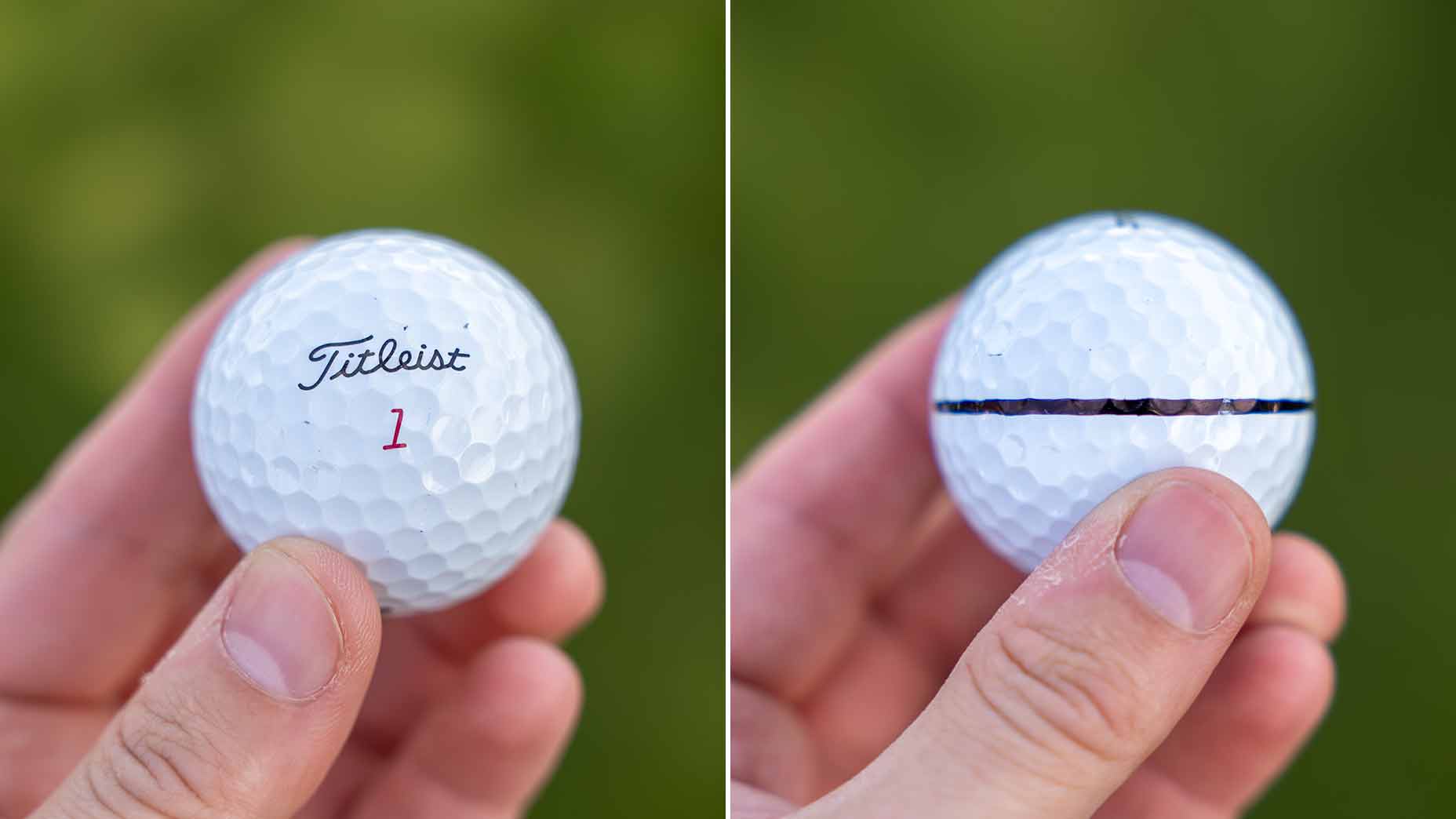
- Cameron Young confirmed his golf ball meets the criteria for the future rollback rules.
- The new regulations are set to be implemented in a couple of years, impacting how professionals approach their game.
- Preparing for these changes could influence tournament strategies and equipment choices across the tour.
- Younger golfers might adopt similar strategies, leading to innovations in their gear.
- This forward-thinking approach emphasizes adaptability in the ever-evolving landscape of professional golf.
Context and background
As golf evolves, so too do the regulations surrounding equipment, particularly golf balls. The anticipated rollbacks in golf ball technology arise from concerns regarding distance and fairness in the game. Announced by the United States Golf Association (USGA) and the Royal & Ancient Golf Club (R&A), these new rules were designed to regulate golf balls to limit distance, pushing players to enhance their skills rather than rely solely on technology. This shift could fundamentally reshape golf, especially at the professional level, where the margins for victory are often infinitesimal.
The last decade has seen a significant increase in distances achieved by top players, prompting governing bodies to consider changes to keep the game competitive and engaging. Among the data points at the heart of this discussion is that the average driving distance on the PGA Tour has ballooned, reaching around 295 yards, compared to approximately 275 yards just ten years prior. In response to this growing concern, the new rollback rules aim to level the playing field as players utilize cutting-edge technology to maximize their performance.
Golf's shifting landscape: Cameron Young's proactive approach
Cameron Young's announcement that his golf ball complies with forthcoming regulations signals more than mere compliance; it positions him as a forward-thinker in a rapidly changing environment. As one of the promising talents on the PGA Tour, Young's adaptability speaks to a broader trend among professionals who are gearing up for the upcoming rules change.
Young, who turned professional in 2019 after a standout collegiate career, has already made his mark, finishing strong in majors and establishing himself as a formidable competitor. With this proactive stance on equipment, Young demonstrates a nuanced understanding of how rules and gear interplay.
Statistics about Young's driving distance showcase his power, with an average of 320 yards per drive in the 2022 season, ranking him within the top echelon of drivers on tour. By committing to a conforming golf ball, Young enhances his prospects of continuing to compete at a high level amidst looming regulations.
As more players begin to make similar commitments to adapt their equipment, discussions about the implications of the rollback rules gain momentum. For example, players who emphasize club head speed and distance could find themselves needing to reassess their strategies vis-à-vis their technology. Those struggling under the weight of increasing distance and unsure of how to respond could look to Young as a blueprint for success — emphasizing skills over sheer power.
In their own words
"I’ve learned that my golf ball conforms under the rollback rules coming in a couple of years. It’s crucial that we adapt and prepare for the future of the game, and I'm excited to embrace this challenge."
— Cameron Young
What this means for golfers
The impending changes in golf ball regulations have profound implications for golfers at all levels. Recreational players should take heed of Young's strategic foresight, as it underscores the importance of staying informed about equipment trends and understanding how they might affect performance on the course.
For amateurs keen to match their skills with evolving technology, now is an appropriate time to evaluate the gear they are using. Those who regularly use equipment that may not conform to future regulations could face challenges in their game, both literally and figuratively. Consideration of brands and models aligning with the anticipated standards can provide a significant advantage, reflecting the importance of informed purchases.
What's next
As the industry prepares for these regulatory shifts, anticipation builds for the upcoming season on the PGA Tour and beyond. Tournaments will surely see players testing new equipment layouts, presenting an exciting opportunity for fans and followers alike. The impact of the rollback will likely shape discussions at every level of the sport, from local weekend competitions to major championships.
Looking ahead, equipment manufacturers will play a pivotal role in adapting technology to meet the new standards while maintaining performance. Golfers will closely watch how players like Young capitalize on these changes, setting incoming trends for generations to come. The steps being taken today will undoubtedly set the stage for golf’s future, creating a game that remains competitive and inclusive for all players.