Key takeaways
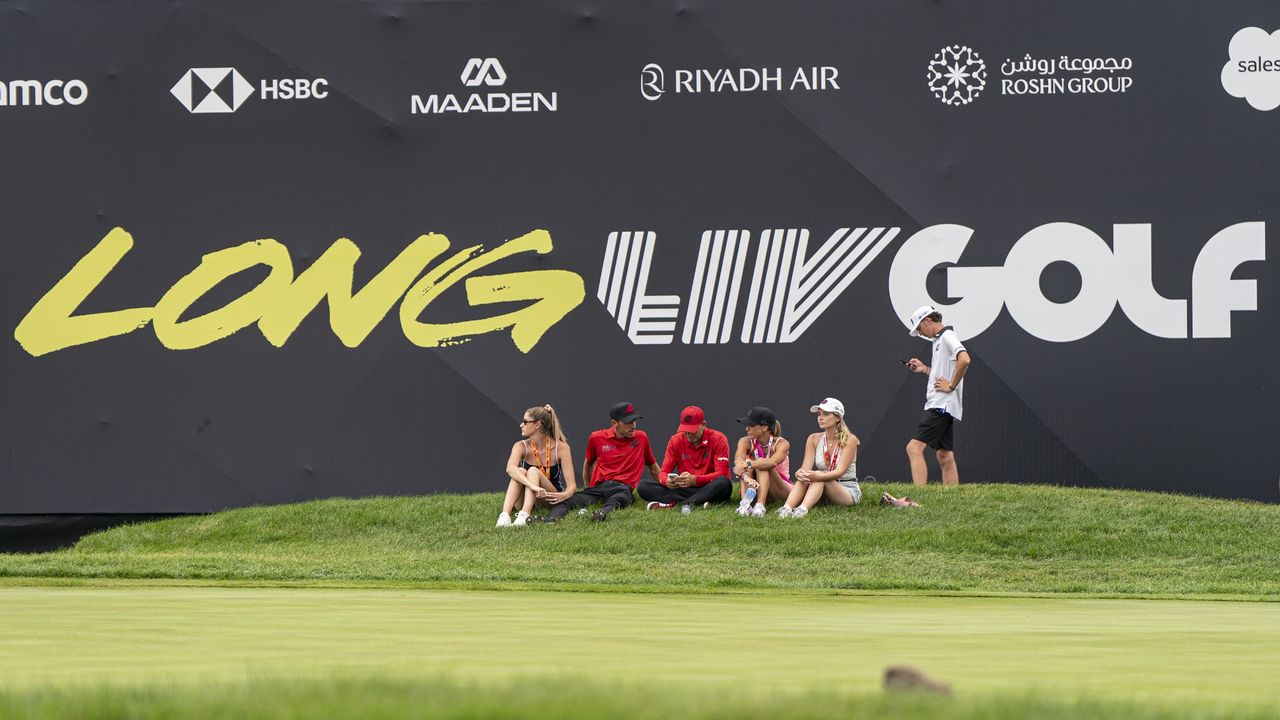
- LIV Golf's financial viability is threatened as it may lose backing from Saudi Arabia’s Public Investment Fund (PIF).
- The league must adapt its strategy to retain players and attract sponsorships to maintain competitive parity.
- Player loyalty could be pivotal in determining the league's future and its ability to thrive without PIF funding.
- The tour's existing structure is under scrutiny as it faces challenges from established tours like the PGA Tour.
- Future success will depend on LIV Golf's efforts to create a sustainable business model independent of external financing.
Context and background
Founded in 2021, LIV Golf set out to revolutionize the professional golf circuit with lucrative contracts and non-traditional tournament formats. The league, widely known for its controversial backing by the Saudi PIF, lured top players with sign-on bonuses and unprecedented prize funds. As of 2023, LIV Golf has hosted several events featuring high-profile athletes, including Phil Mickelson and Brooks Koepka.
However, this financial independence now faces a significant hurdle. Reports have emerged suggesting the PIF may reconsider its investment in the league, raising questions about the league's long-term sustainability. Historically, professional sports leagues thrive on stable financial underpinnings, and LIV Golf's reliance on a single source raises alarms. Since the disruption caused by the COVID-19 pandemic, golf has sought to adapt, but the challenges presented by LIV's uncertain funding position bring a unique crisis to the forefront.
LIV Golf's financial future in jeopardy
Without the PIF's substantial financial resources, LIV Golf finds itself in uncharted territory. The league has attracted some of the best golfers globally with promises of rich rewards, but how long can this momentum be maintained without its primary investor? Expert analyses suggest that player loyalty could be crucial to the league's survival. If golfers were to abandon LIV Golf in favor of potential opportunities elsewhere, it could lead to a rapid decline in both prestige and financial backing.
Additionally, the league must cultivate its revenue streams. Currently, sponsorship deals play a critical role in supporting operations. LIV Golf will need to secure lucrative partnerships, strategically targeting brands that align with its vision. In particular, creating a robust fan engagement plan that generates ticket sales, merchandise revenue, and broadcast rights could offer essential financial leeway. If LIV could achieve high viewership, it might attract advertisers willing to invest in advertising during matches.
As it stands, player loyalty appears to be a mixed bag. Some golfers joined LIV with the understanding of financial security and minimal competition, while others view participation more cautiously. As one reputable golf analyst put it, “The players' connection—and their belief in the league's vision—can make or break LIV Golf in the long run.”
In their own words
"I joined LIV Golf for the opportunities it presented. But if the financial backing changes, I will have to reassess my position."
— Player Name
"Without the PIF, LIV will face a whole new situation, and it's going to be challenging to keep everything afloat if players jump ship."
— Analyst Name
What this means for golfers
For recreational golfers and fans, the struggles of LIV Golf may offer crucial insights. Firstly, player loyalty could impact how competitive the league remains. The shifting dynamics may result in a buying opportunity for golf enthusiasts keen on memorabilia from specific players or events tied to their time in LIV Golf. The continual turnover of players might mean jerseys, hats, and other merchandise could gain or lose value rapidly.
Moreover, following LIV Golf’s evolution could provide insights for amateur golfers on the importance of career stability and adaptability. As the league navigates through uncertainties, lessons can be drawn on how to respond to changing circumstances in any sport. It's vital for golfers to understand the principle of building lasting relationships—that's where stability lies.
What's next
As LIV Golf moves forward, observers will be watching how league executives address their funding uncertainties and the responses of key players. While the potential end of PIF support looms, attracting new investors or partners will be critical. Furthermore, upcoming tournaments and the interest of sponsors will serve as a litmus test for the league's prospects and public perception.
In conclusion, the fate of LIV Golf seems intricately tied to player loyalty, sound management, and an innovative approach to revenue generation. With the impending challenges, it will not only take creativity but also resilience and adaptability for LIV Golf to endure in the ever-competitive world of professional sports.

/https%3A%2F%2Fcdn.pijper.io%2F2026%2F05%2FTJwt7sd337utZu1777615219.jpg)
/https%3A%2F%2Fcdn.pijper.io%2F2026%2F05%2FdQsOVdxSIE9Kkr1777621816.jpg)