


Collin Morikawa faces fears with remarkable comeback at RBC Heritage
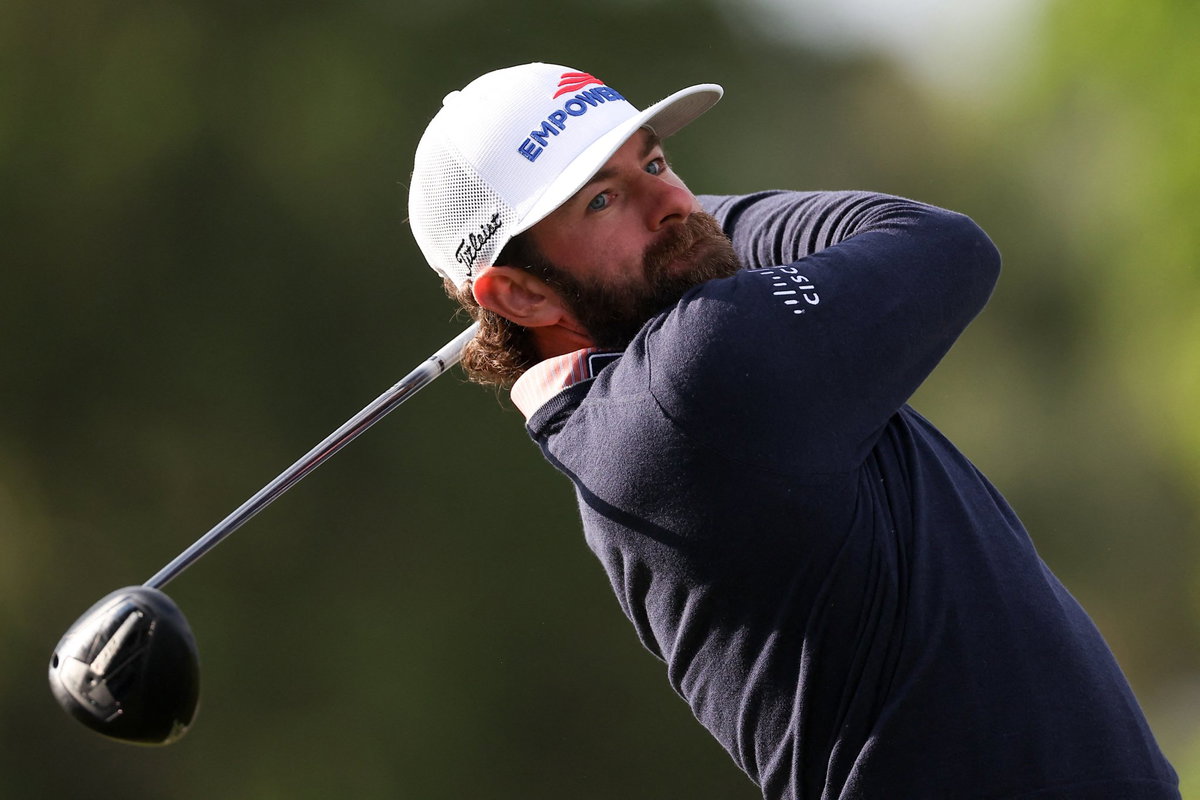
In a display of resilience, Collin Morikawa strode onto the first tee of the RBC Heritage, battling not just his competitors but his own trepidations as he returned from injury. The young superstar, known for his remarkable precision and mental fortitude, stepped out to shoot an impressive 67 on the opening day while revealing his personal struggle: “I’ve never been this scared in my life,” he confessed to reporters. Despite acknowledging that he’s currently performing at only 50% of his full capability, Morikawa hinted that the mental aspect of the game was equally paramount in achieving his impressive start.
Key takeaways
- Collin Morikawa opened the RBC Heritage with a flawless 67.
- Morikawa admits he’s at 50% capability due to recent injury.
- The 67 marks strong competitive form amidst mental and physical challenges.
- This performance is critical for Morikawa’s momentum heading into the season.
- His honesty about fear showcases the psychological pressures athletes face.
Context and background
Collin Morikawa, a former PGA Tour Rookie of the Year and two-time major champion, has built a reputation for excellence in golf since turning professional in 2019. His ability to remain calm under pressure and precise ball-striking has set him apart in a pool of elite talent. Morikawa’s rookie year saw him capture victories that quickly elevated him in the world rankings. As of now, he typically stands as a fan-favorite, not only due to his skills but also his approachable demeanor. In addition to his accolades, it is significant to note that Morikawa has always been candid about his struggles—whether with performance pressure or his physical health.
The challenges he faces with injuries aren’t new within the sport; many players deal with physical setbacks that can lead to profound psychological ramifications. Morikawa's recent injury raises critical questions regarding mental health and athletic performance, specifically how elite athletes cope with fear and vulnerability.
Morikawa's comeback: A vivid reflection of tenacity
Stepping onto the pristine greens of Harbour Town Golf Links, Morikawa maintained an aura of determination. His first round, featuring seven birdies against only one bogey, showed he could still deliver under pressure despite expressing fears prior to the tournament. For those who had followed his career, there was an intriguing blend of thrill and tension in witnessing how he balanced physical limitations with impeccable technique.
Statistically, Morikawa’s 67 on the first day placed him high on the leaderboard and has significant implications. It demonstrates not only his fearlessness in seeking victory, but it also casts a spotlight on how mental resilience can prevail over physical capabilities. Of course, there are considerations about whether he can maintain this performance through the weekend, especially while battling lingering concerns about his injury.
Experts suggest that Morikawa’s early performance illustrates the importance of the psychological approach in golf. In a sport where precision is king, dealing effectively with fears and doubts can weave success into the fabric of a player's routine. The integration of sports psychology in training regimens has become prevalent, reflecting a growing acknowledgement of its significance among golfers achieving peak performance.
In their own words
“I’ve never been this scared in my life, but I know I have to fight through it. It’s about believing in myself and the work I’ve put in.”
— Collin Morikawa
“What he has done today is truly remarkable. It’s a testimony to his talent and mindset. Golf is as much about mental fortitude as it is about skill.”
— Industry Expert
What this means for golfers
For recreational golfers, Morikawa's struggles serve as an important reminder of the fluctuating nature of athletic performance. His admission of fear highlights how even the best can feel vulnerable at times. Understanding that fear and anxiety can affect performance could lead amateur golfers to better navigate their own challenges on the course.
From an equipment standpoint, golfers might look into obtaining clubs that suit their individual swings, encouraging confidence and comfort, particularly as Morikawa exemplifies the crucial relationship between mental comfort and successful gameplay. For those interested in the psychological aspects, nothing beats consistent practice in a relaxed setting – cultivating confidence can go a long way.
What's next
As the RBC Heritage progresses, all eyes will remain glued to Morikawa. His performance could be a pivotal factor not only for his season but for his mental composure moving forward. Upcoming tournaments will undoubtedly draw attention to how he copes with any physical limitations post-injury. Fans will be eager to see if he continues to silence any remaining fears and embraces the potential his talent holds.
With the PGA Tour season in full swing, Morikawa’s comeback serves as a compelling narrative that will resonate well beyond this event, inspiring fellow competitors and recreational golfers alike.


/https%3A%2F%2Fcdn.pijper.io%2F2026%2F06%2FRkUgIHk3UBT3tw1781080975.jpg)