Introduction
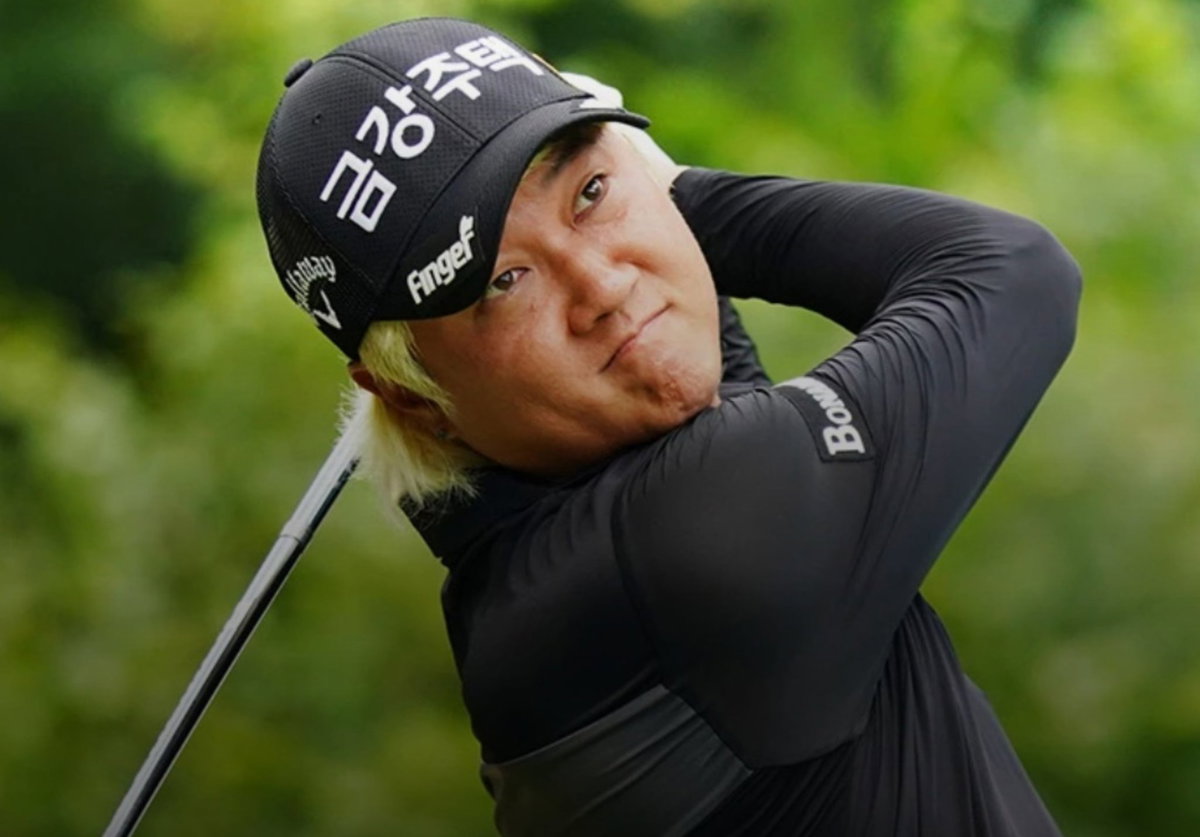
The Asian Tour's Maekyung Open has become a source of heated debate following a controversial ruling involving South Korean golfer In-hoi Hur. As the dust settled on the final day, Hur's penalty, which was imposed after play had concluded, sidelined him from a potential playoff spot, igniting fierce criticism from his peers and fans alike. This incident has raised critical questions regarding fairness and the execution of golf rules in high-stakes tournaments.
Key takeaways
- In-hoi Hur was penalized after the final round of the Maekyung Open.
- The penalty resulted in Hur missing out on a playoff spot.
- Players and commentators voiced their displeasure regarding the ruling.
- The incident highlights potential flaws in the timing of rule enforcement.
- This controversy may prompt discussions on rule transparency within the tour.
Context and background
The Maekyung Open, held annually in South Korea, is a prominent event on the Asian Tour calendar. It has seen numerous rising stars and established players compete for glory and vital ranking points. Traditionally, the tournament garners significant local and international attention, showcasing South Korea's growing influence in the world of golf. In recent years, the Asian Tour has worked to enhance its credibility and visibility in the global golf community, capitalizing on a surge of interest in the sport across Asia.
As golf fans await the results of the Tour Championship and other prestigious events, controversies like that surrounding Hur are becoming increasingly prevalent. In-hoi Hur, a relatively young talent with aspirations to join the ranks of seasoned professionals, faced a tough break that underscored how even small infractions can have outsized consequences in professional golf. This incident adds to an already complex landscape of rule enforcement and player expectations.
The controversial incident unfolds
Reactions from players and spectators were swift and largely unfavorable. Many players, familiar with the nuances of the game, expressed their dismay over a ruling that could end a competitor's chance at victory—especially when delivered post-facto. The concept of a mulligan or a second chance is often debated in casual play, but professional tournaments operate under strict adherence to rules designed to maintain integrity. The enforcement of such a ruling after the final round raised eyebrows, calling into question the principles of fairness and transparency.
Statistically, this penalty not only deprived Hur of a potential victory but also affected his standing on the Asian Tour's money list and world ranking. His current profile indicated a promising trajectory, and setbacks like this can have detrimental impacts on a player's career advancement.
In their own words
"It's frustrating to see a talent like In-hoi suffer such a penalty after the round is done. Rules exist for a reason, but enforcement must be timely and fair."
— Anonymous Player
"The idea that a player's fate can change long after they've signed their scorecard is unsettling. We need clarity and consistency in how rules are applied.”
— Asian Tour Official
What this means for golfers
This incident serves as a crucial learning point for both emerging and established golfers. Recreational and professional players alike must understand the importance of adhering to rules and the consequences of potential infractions. It underscores the necessity for clarity in rule enforcement. Following this incident, players may be encouraged to stay more vigilant about their situations throughout the round and ensure that they have completed all necessary checks before concluding their play.
For casual golfers, this event highlights how significant a single ruling can be in both amateur and professional contexts. Understanding your game and the rules governing it is essential in avoiding penalties that could cost valuable opportunities.
What's next
As the Asian Tour heads into its next events, the governing body may face pressure to revisit its protocols concerning the timing of rule assessments. Open forums or discussions could arise from this event, allowing players to voice their opinions and experiences regarding the enforcement of rules. Future tournaments may usher in a renewed focus on education surrounding golf rules, aiming to prevent similar controversies.
Moving forward, all eyes will be on how the Asian Tour handles rule clarifications and whether any changes are made to communication protocols between players and officials. The implications of this event are likely to resonate beyond South Korea, potentially affecting how rulings are perceived and enforced at international golf events as well.