
Key takeaways
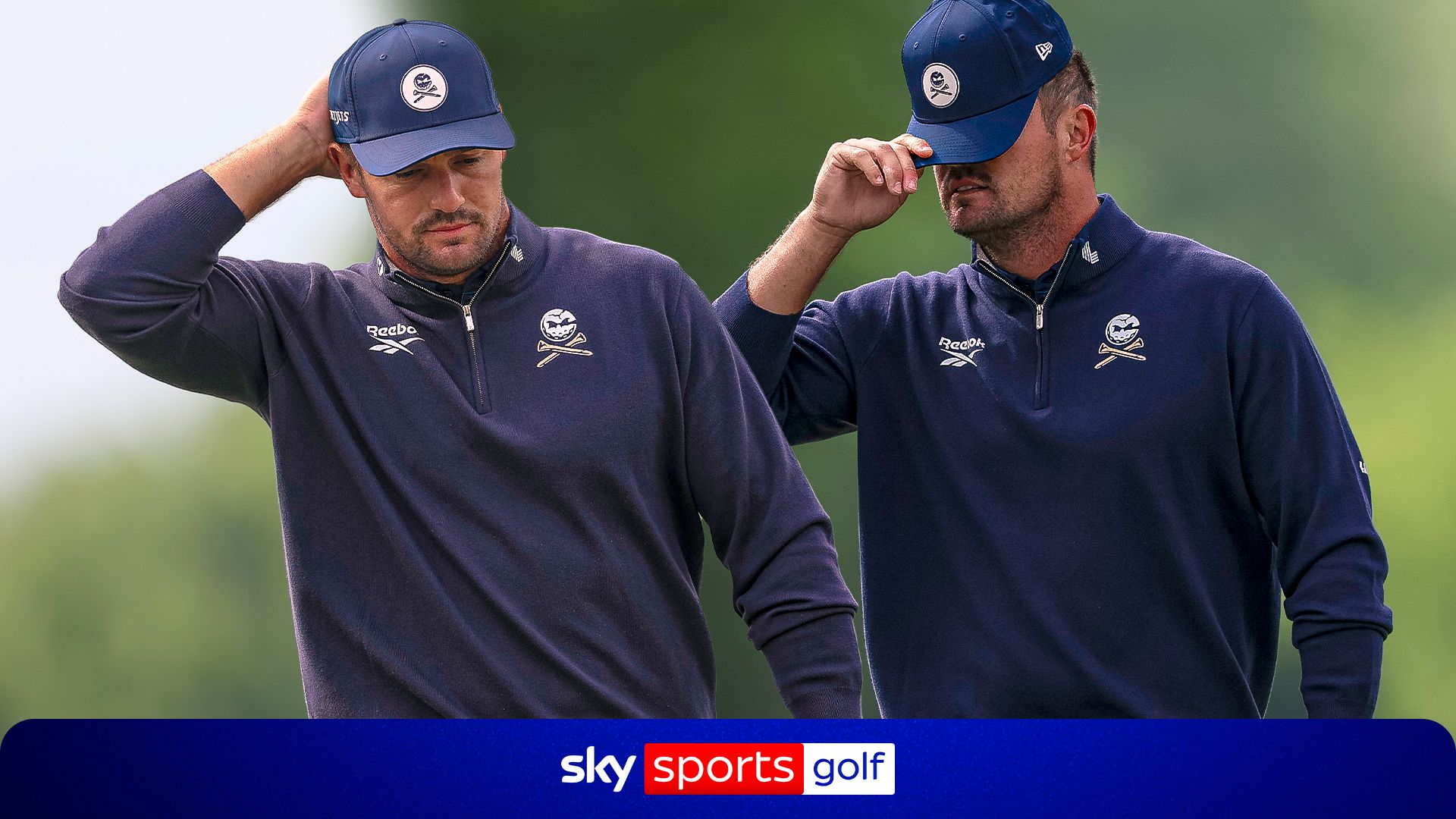
- Bryson DeChambeau struggled during the first round of the PGA Championship, finishing with a six-over-par 76.
- His performance included a crucial double-bogey on the penultimate hole, raising questions about his current form.
- This marks DeChambeau's continued inconsistency at major championships, extending a series of disappointing outings.
- Following this round, he faces the possibility of missing another major cut, further complicating his 2023 season.
- Experts weigh in on his technique and mental game, suggesting changes may be needed for him to regain form.
Context and background
Bryson DeChambeau, the 2020 U.S. Open champion, has been a polarizing figure on the PGA Tour, known for his scientific approach to golf and significant physical transformation. However, in recent seasons, he has faced challenges in translating that prowess into consistent success on the major scene. His difficulties have become pronounced at the PGA Championship, a tournament where he has yet to solidify his reputation as a contender.
Historical analysis shows that DeChambeau has not had a strong showing at major tournaments over the past couple of years. For instance, in the 2022 PGA Championship, he missed the cut after finishing 10 over par. Looking back, it appears that his performances have been mired in fluctuation, casting doubt on whether he can replicate his past glory consistently.
DeChambeau's struggle continues at Aronimink
During the first round at Aronimink Golf Club, DeChambeau's day started with promise but quickly devolved into frustration. His round of 76 placed him firmly in the wrong half of the leaderboard, effectively putting him in danger of heading home early. The defining moment of his round came on the 17th hole, where he made an atrocious double-bogey that proved to be the tipping point for his score.
With the double-bogey, DeChambeau's struggles were laid bare: inconsistent driving off the tee, missed greens in regulation, and a failure to capitalize on birdie opportunities haunted his performance. Statistics revealed that he hit only 9 of 14 fairways and found the greens just 10 times in regulation. His inability to navigate Aronimink's challenging layout reflected ongoing struggles in his game and raised further doubts about whether he could adjust his strategy and regain composure in future rounds.
Additionally, DeChambeau's swing speed, once the envy of the field, seemed diminished. While his distance off the tee generally commands respect, it appeared less effective as he failed to find control. This lack of balance between power and precision has been underpinning concerns about his game in recent months, impacting both his confidence and his scores.
In their own words
"I just wasn’t able to hit the shots I needed to. It’s frustrating because I know I can do better. I need to go back and really focus on the fundamentals and get back on track."
— Bryson DeChambeau
"Bryson’s physical presence and swing are impressive, but sometimes it’s the mental side that can throw you off. He needs to find that edge again if he wants to contend."
— Golf analyst
What this means for golfers
DeChambeau's recent inconsistency offers important lessons for recreational golfers. The current state of his game reinforces the idea that no matter how physically gifted a player may be, mental approach and focus are critical in high-pressure situations. Amateurs can take to heart the importance of mastering fundamentals—such as course management and short game proficiency—as these skills can often make or break rounds.
In terms of equipment, players should consider that even the best tools in the bag won't compensate for mental lapses or a lack of confidence. Rather than being fixated on the latest technology, golfers should spend time practicing their technique and mental game to ensure they are prepared when it counts.
What's next
Looking ahead, the second round of the PGA Championship will determine DeChambeau’s fate in the tournament. With the cut looming, he faces an uphill battle to make it past the weekend. Additionally, each major brings with it the scrutiny of spectators and media alike, making this pivotal for DeChambeau as he seeks to improve his form and reputation.
Moreover, if he fails to make this cut, questions will arise about his preparation for subsequent majors, specifically the U.S. Open and The Open Championship later in the season. A consistent effort and a clear plan moving forward will be essential for DeChambeau, both to redefine his career trajectory and to restore his standing among elite competitors. The road to recovery starts now.

/https%3A%2F%2Fcdn.pijper.io%2F2026%2F06%2FRkUgIHk3UBT3tw1781080975.jpg)