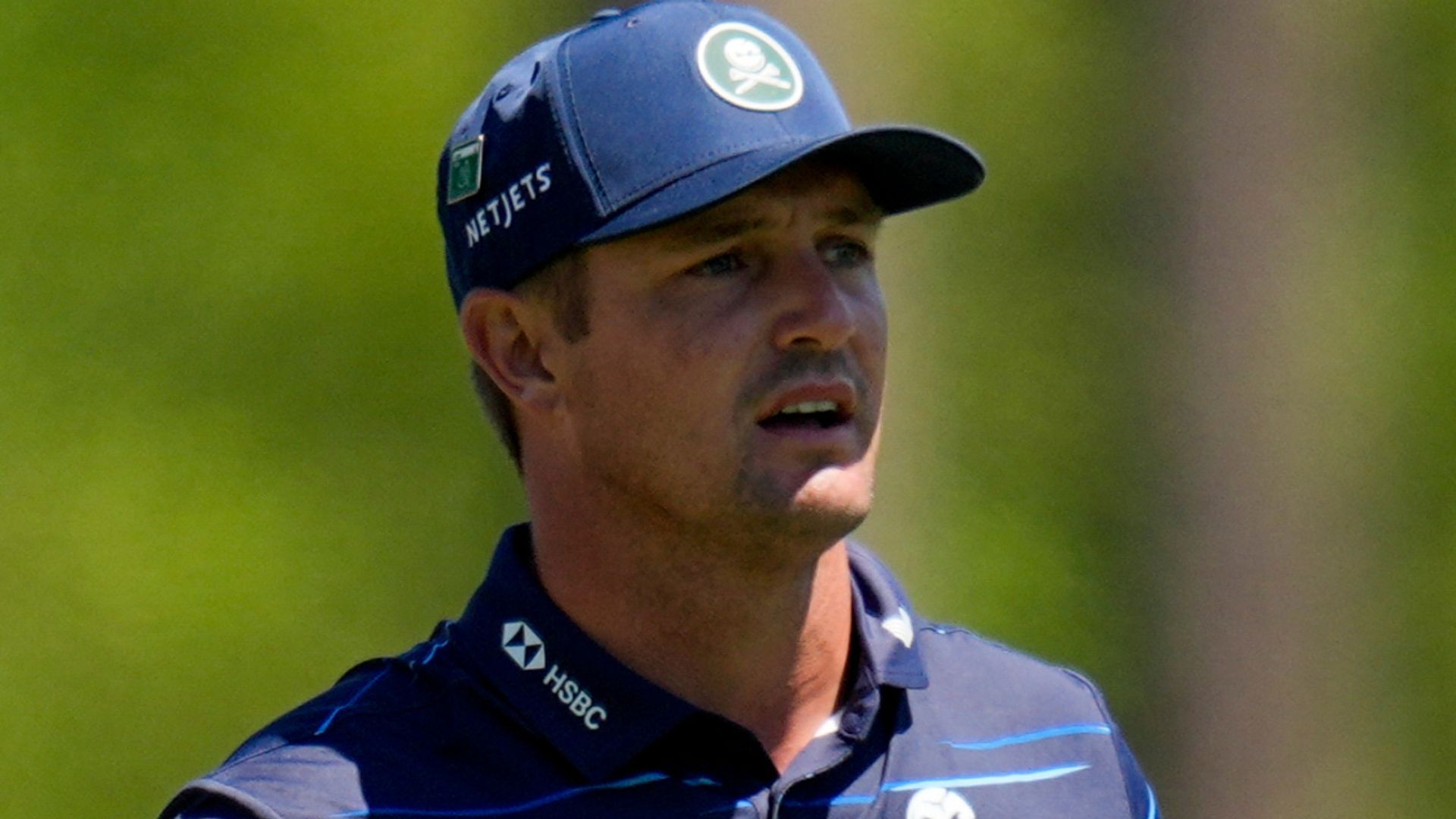
In a surprising turn of events, Bryson DeChambeau has officially withdrawn from the LIV Golf Mexico City tournament ahead of the final round. Citing a wrist injury as the reason, this decision has sparked conversations regarding both his current form and his future participation in competitive golf.
Key takeaways
- Bryson DeChambeau withdrew from LIV Golf Mexico City before the final round.
- The withdrawal was due to a wrist injury.
- This marks a significant point in DeChambeau's ongoing recovery and performance challenges.
- Concerns grow regarding DeChambeau’s fitness as he strives to regain a dominant form.
- Fans and analysts watch closely for the implications on his LIV tour career.
Context and background
Since turning professional, Bryson DeChambeau has made waves in the golf industry, known for his unique approach to the game and his dedication to physical performance. His powerful drives and analytical mindset earned him the nickname 'The Mad Scientist.' However, this innovative persona was met with challenges on the course, particularly concerning injuries. In 2021, DeChambeau had to deal with a series of physical ailments, including a notable hand injury that hampered his performance. Now, in 2023, he faces questions about the sustainability of his playing style as he withdraws from yet another tournament due to health issues.
The implications of DeChambeau's withdrawal
DeChambeau's departure from LIV Golf Mexico City is not merely a withdrawal from a single event; it raises significant questions about his current physical condition. Entering the tournament, DeChambeau had hoped to make a strong showing, reflecting his aspirations to return to form and possibly regain his once-unstoppable momentum on the professional circuit. His length off the tee is one of his primary advantages, but any injury to his wrist could severely impact that strength, leading to adjustments in his swing and overall performance.
Over the course of his career, DeChambeau has often challenged the norms of golf, incorporating scientific methods to enhance his game. As he gives importance to muscle gain and ball speed, any injury—especially one related to the wrists—could significantly alter his approach. Statistics show that about 38% of professional golfers face wrist-related injuries during their careers, which can take varying durations for recovery. For DeChambeau, this injury might require him to reassess his physical training regimen.
In their own words
"Injuries are a part of the game, and they can be frustrating. This wrist issue has set me back unexpectedly, and I need to focus on my health before I return."
— Bryson DeChambeau
What this means for golfers
For amateur golfers and fans of the game, DeChambeau's struggles present a cautionary tale regarding the physical demands of competitive golf. Many recreational players often emulate the powerful swing and aggressive playing style seen in professionals, failing to recognize the underlying training and physical conditioning required. For golfers at all levels, it underscores the importance of injury prevention, stretching routines, and listening to one's body throughout the season. Understanding your limitations, especially when pushing for increased performance, is key to maintaining a long and fulfilling golfing career.
Equipment-wise, those who are influenced by DeChambeau's style may want to consider the necessity of not just power, but also versatility and adaptability in their golfing workouts. Finding the right balance between strength and finesse could save countless players from potential injuries.
What's next
Looking ahead, fans will be eager to see how Bryson DeChambeau handles his recovery. With significant tournaments on the horizon within the LIV Golf series, including high-stakes events that can influence the season's standings, his efforts to heal will be closely monitored. The golf community is keen to see if he can return in time to not only compete but also reclaim his position as a top contender. The ongoing dialogue regarding player health and competitive performance will undoubtedly remain at the forefront of discussions over the coming weeks.