Intro
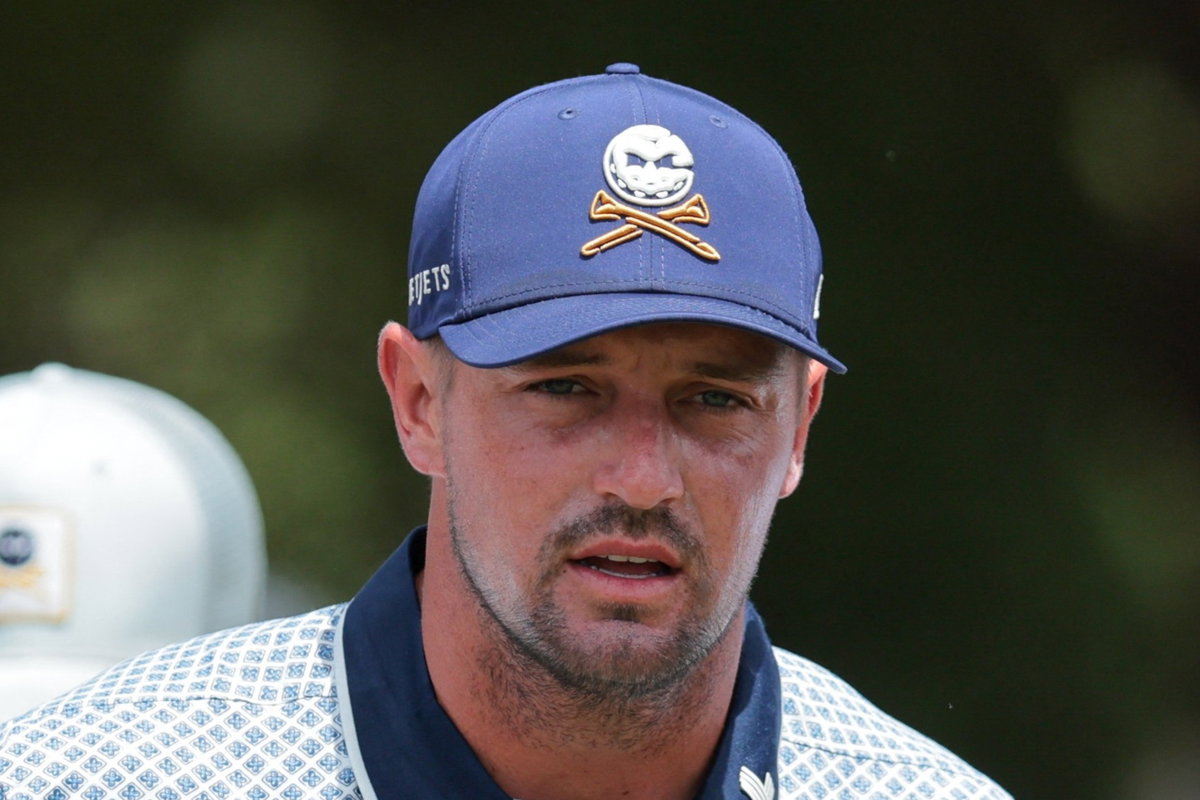
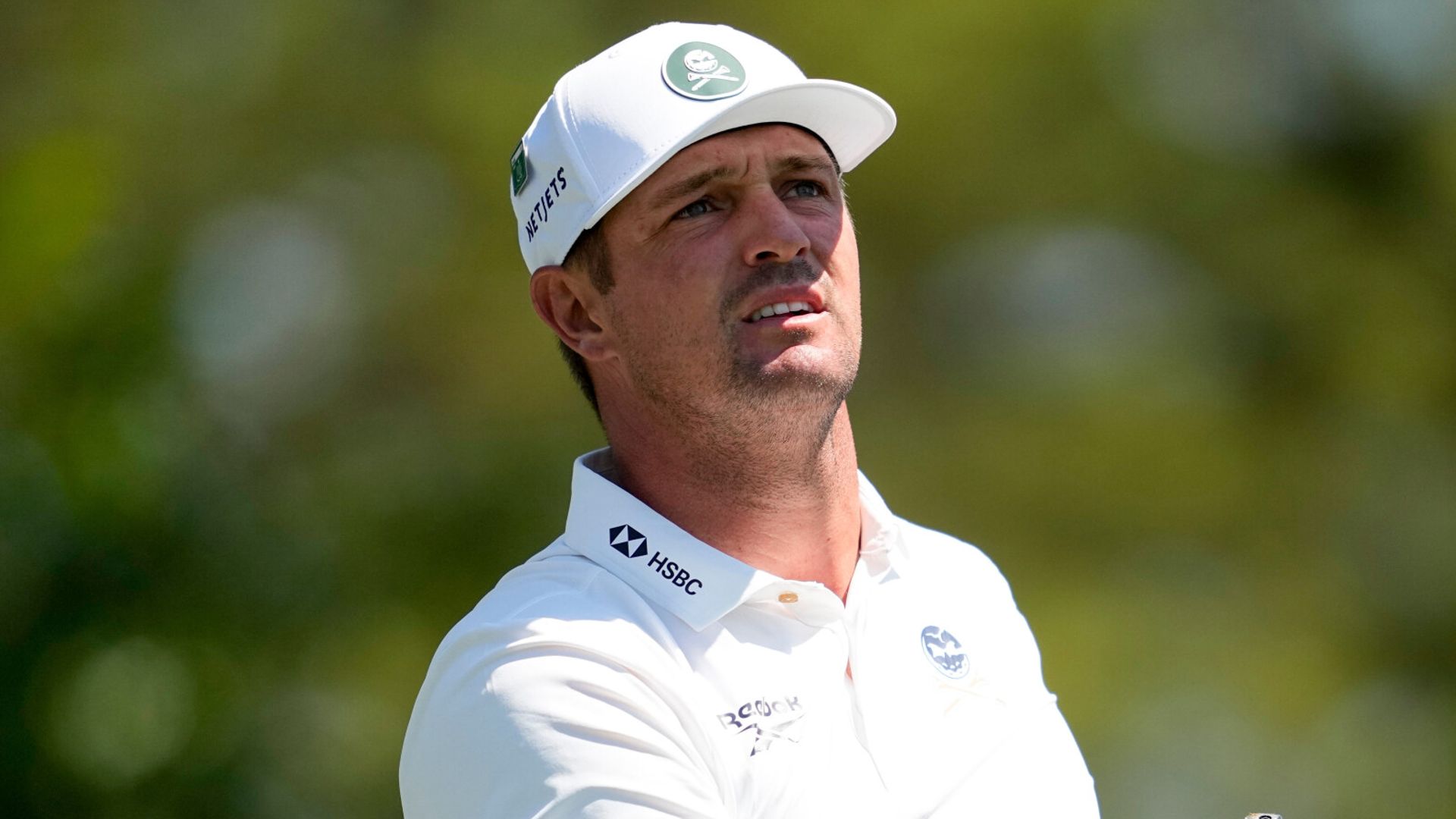
As Bryson DeChambeau contemplates his return to the PGA Tour, he raises an intriguing proposition: his inclusion may very well depend on the acceptance of fellow players. This insight comes at a crucial juncture in his career, placing the spotlight not only on his journey but also on the dynamics within professional golf.
Key takeaways
- DeChambeau suggests his return to the PGA Tour hinges on player acceptance.
- Rory McIlroy recently made a strong return, shooting a one-under par 70 after defending his title at The Masters.
- The conversations surrounding DeChambeau’s future reflect broader tensions in the professional golf landscape.
- The ongoing evolution of player relationships could reshape the competitive spirit on the PGA Tour.
Context and background
Bryson DeChambeau's journey through professional golf has been both meteoric and controversial. Known for his analytical approach and exceptional distance off the tee, DeChambeau burst onto the scene, winning the 2015 U.S. Amateur and claiming his first major at the 2020 U.S. Open. Since then, he has made headlines not just for his play but also for his outspoken personality and willingness to challenge the norms of the game.
However, in 2022, DeChambeau made the decision to join the LIV Golf series, which set off a series of debates about professionalism, loyalty, and competition in golf. Not only did this move earn him both fans and critics, but it also prompted a significant rift between players, particularly those who remained loyal to the PGA Tour.
As the landscape of professional golf continues to evolve, players like DeChambeau are now left pondering their future as they balance personal ambition with the collective agreements and sentiments of their peers. His recent comments suggest he is aware of the dynamics at play and acknowledges that his return is complicated by the opinions and acceptance of others.
Implications of DeChambeau's statement
The revelation of DeChambeau’s return depending on player sentiment presents a multifaceted scenario. Given DeChambeau's high-profile status and his prior affiliation with LIV Golf, it raises questions about whether other players truly want him back on the PGA Tour. Rory McIlroy, one of the PGA Tour’s most recognized voices, exemplified the challenges in player relationships during his recent performance, which saw him card 17 straight pars and a birdie after successfully defending his title at The Masters.
McIlroy's performance at the Truist Championship underscores the resilience of players who remain dedicated to the Tour amidst ongoing debates. His ability to maintain consistency and focus amid external pressures is a testament to the competitive nature of the PGA Tour. It also highlights how players may wrestle with camaraderie versus competition as the LIV Golf series remains a prominent topic of discussion.
For DeChambeau, a significant aspect of this conversation involves how his return could influence the competitive atmosphere. The return of any player, especially one as polarizing as DeChambeau, creates layers of intricate dynamics. Will other players view his presence as a competitive challenge, or will they embrace an opportunity for collaboration? The culture within the locker room could evidently shape future tour events.
In their own words
"If they want me back, then yes, I'd love to come back. It's up to them, honestly. I want to be in a place where I'm welcomed."
— Bryson DeChambeau
"Every player has the right to choose their path. But how we embrace those choices together will define our sport moving forward."
— Rory McIlroy
What this means for golfers
For recreational golfers and fans alike, the ongoing discussion about DeChambeau’s role in the PGA Tour serves as a reminder that the sport is as much about community as it is about competition. Understanding the underlying relationships among players can provide insights into how future events may unfold. Amateurs can also take this as a lesson in adaptability and openness, both on and off the course.
On an equipment front, players can appreciate the innovations DeChambeau has introduced, notably in terms of distance and focus on analytics. He often emphasizes the importance of a customized approach to equipment, which is something all golfers, regardless of skill, can apply to their game. Experimenting with different clubs and finding the right fit is critical to improving performance.
What's next
Looking ahead, golf enthusiasts will keep a keen eye on various upcoming tournaments to see if any developments unfold regarding DeChambeau’s potential return. With key events on the PGA Tour calendar, not just as a player, but as a spectator who could impact the tournament's psychology, his presence would provide a fresh dose of drama. The interactions among golfers on tour will be pivotal to how the upcoming golf seasons unravel.
As the discourse regarding competitiveness and inclusivity in professional golf continues, it is likely that upcoming events will explore new narratives around player acceptance, unity, and competition in a way that defines the future of the PGA Tour.