Intro
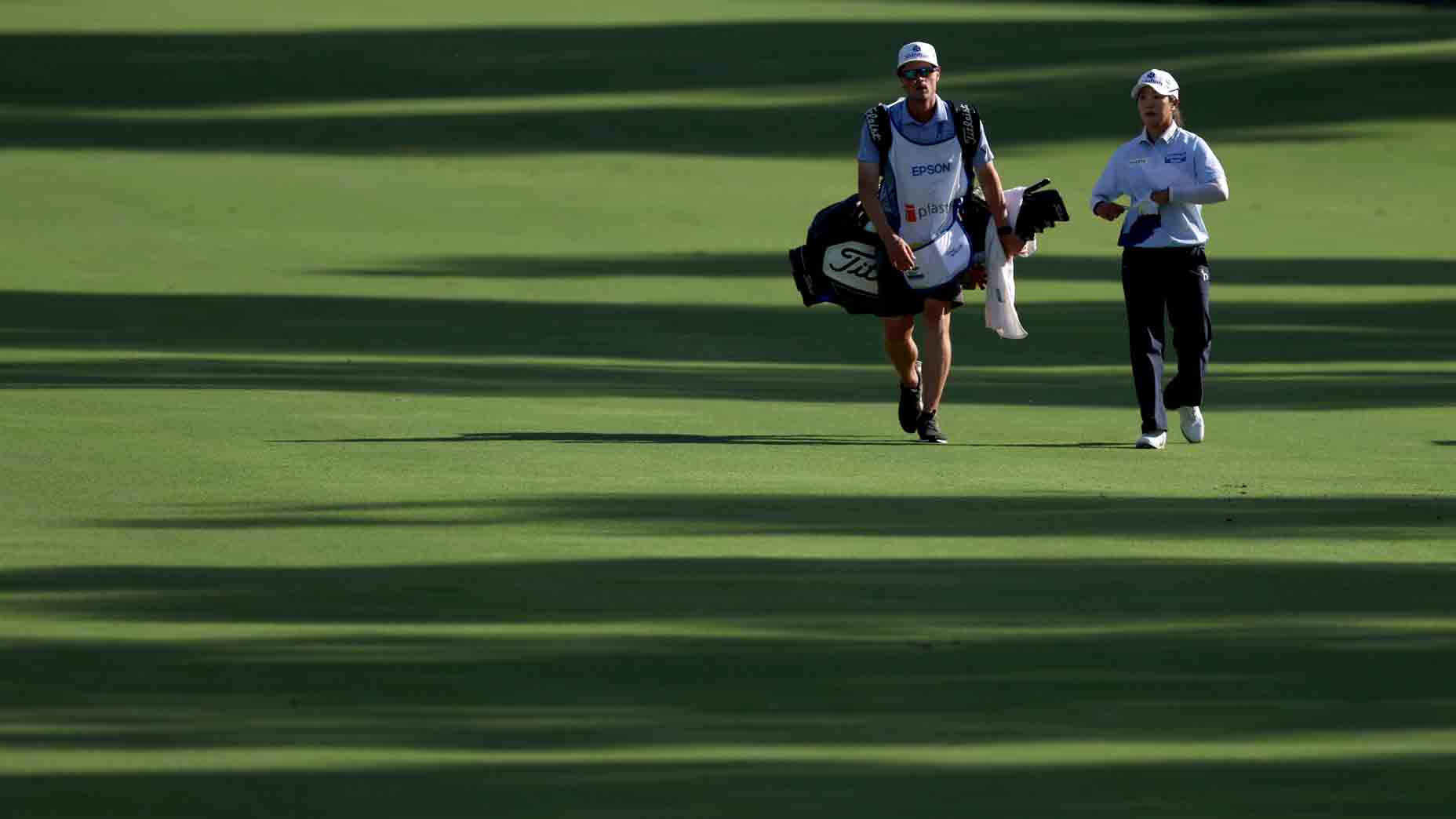
In a controversial turn of events at the JM Eagle L.A. Championship, LPGA pro Jin Hee Im faced a slow-play penalty that has ignited discussions about the rules of the game and their implications for competitive play. As tension mounted on the course, many are left to wonder: did this penalty ultimately rob Im of a well-deserved victory?
Key takeaways
- Jin Hee Im received a slow-play penalty during the final round of the JM Eagle L.A. Championship.
- This controversial decision has sparked debate about slow-play regulations in professional golf.
- The penalty may have adversely affected Im's performance and final standing in the tournament.
- Im's case raises questions about how LPGA and other tours handle slow play and the associated penalties.
- Golf experts are calling for a reevaluation of slow-play rules to favor the pace of play without detracting from the players’ performance.
Context and background
Slow play has always been a contentious issue in the world of golf, with various tours implementing different measures to tackle the problem. The LPGA has introduced rules aimed at expediting play to maintain viewer engagement and ensure a smooth flow during events. The slow-play penalty is enforced under specific circumstances, typically when a player exceeds the allotted time to hit a shot, which can be influenced by various factors, including course conditions, group dynamics, and the mental state of the player.
Historically, penalties for slow play have evoked varied reactions. For instance, in 2019, the PGA Tour reported the average time taken for rounds was approximately 4 hours and 30 minutes but had been steadily increasing. This trend prompted officials to adopt stricter enforcement of slow-play penalties to improve the overall experience for players and spectators alike.
As of 2021, the pace of play initiatives across tours resulted in a more proactive stance against slow play, reflecting in their player education programs and clearer guidelines. However, the enforcement of these rules has often been criticized for its inconsistency.
A crucial moment on the course
The JM Eagle L.A. Championship presented an intense atmosphere, particularly for Jin Hee Im, who has been climbing the ranks of the LPGA. As she approached the final holes, Im found herself facing a pivotal scenario. Accumulating pressure from both the competition and the ticking clock led to a critical decision point for her game.
During her final round, Im received a slow-play penalty, which fundamentally altered her rhythm and trajectory in the tournament. Statistics show that slowing down a player's pace can drastically affect their mental focus and shot execution. Records indicate that Im was in contention for the lead before the penalty but ultimately finished just shy of first place.
This penalty not only impacted her scorecard but also introduced a psychological burden that is difficult to overcome, especially in high-stakes situations. Indeed, many experts believe that an athlete's mental state is crucial in golf, and interruptions such as penalties can lead to a chain reaction of subpar performances thereafter.
Im's finishing position in the tournament serves as a reflection of the pressure placed on her during the final moments. Had the penalty not occurred, it’s plausible to assume that she might have navigated those concluding holes with greater confidence, potentially altering the outcome.
In their own words
"I felt really focused on my game, but then the penalty change everything. It's frustrating to think how differently things could have gone without that pressure."
— Jin Hee Im
What this means for golfers
This incident serves as a significant lesson for both professional and recreational golfers regarding the importance of pace of play. For amateurs, recognizing the rhythm of the game and abiding by the rules can enhance your experience while ensuring the course is enjoyable for everyone. Slow play not only impacts one’s game but can also affect fellow players' enjoyment and performance.
Additionally, it’s prudent for recreational golfers to familiarize themselves with local and tournament-specific rules regarding pace of play. Understanding these nuances may help to avoid unnecessary penalties, which can lead to disappointing outcomes.
With equipment, ensuring your readiness and planning each shot can accelerate play, creating a smoother experience overall. Evaluating distance and assessing sightlines promptly without rushing can balance your pace while adhering to the game’s honor code.
What's next
Looking ahead, the LPGA is expected to continue monitoring and adjusting its slow-play policies considering the evolving landscape of professional golf. Upcoming tournaments should see heightened discussion around this crucial aspect of the game, with players advocating for clear guidelines and better communication about pacing rules.
The implications of this event extend beyond Jin Hee Im's immediate experience; it resonates across the sport, pushing advocates to reevaluate slow-play penalties. This develops broader conversations about how to accommodate rapid gameplay while maintaining the integrity and precision that defines golf.
Golfers, whether professionals or amateurs, should stay aware of these upcoming discussions and the potential impacts on how future events are played. With player welfare and game efficiency at stake, it's essential for all involved to participate in shaping the future of golf.