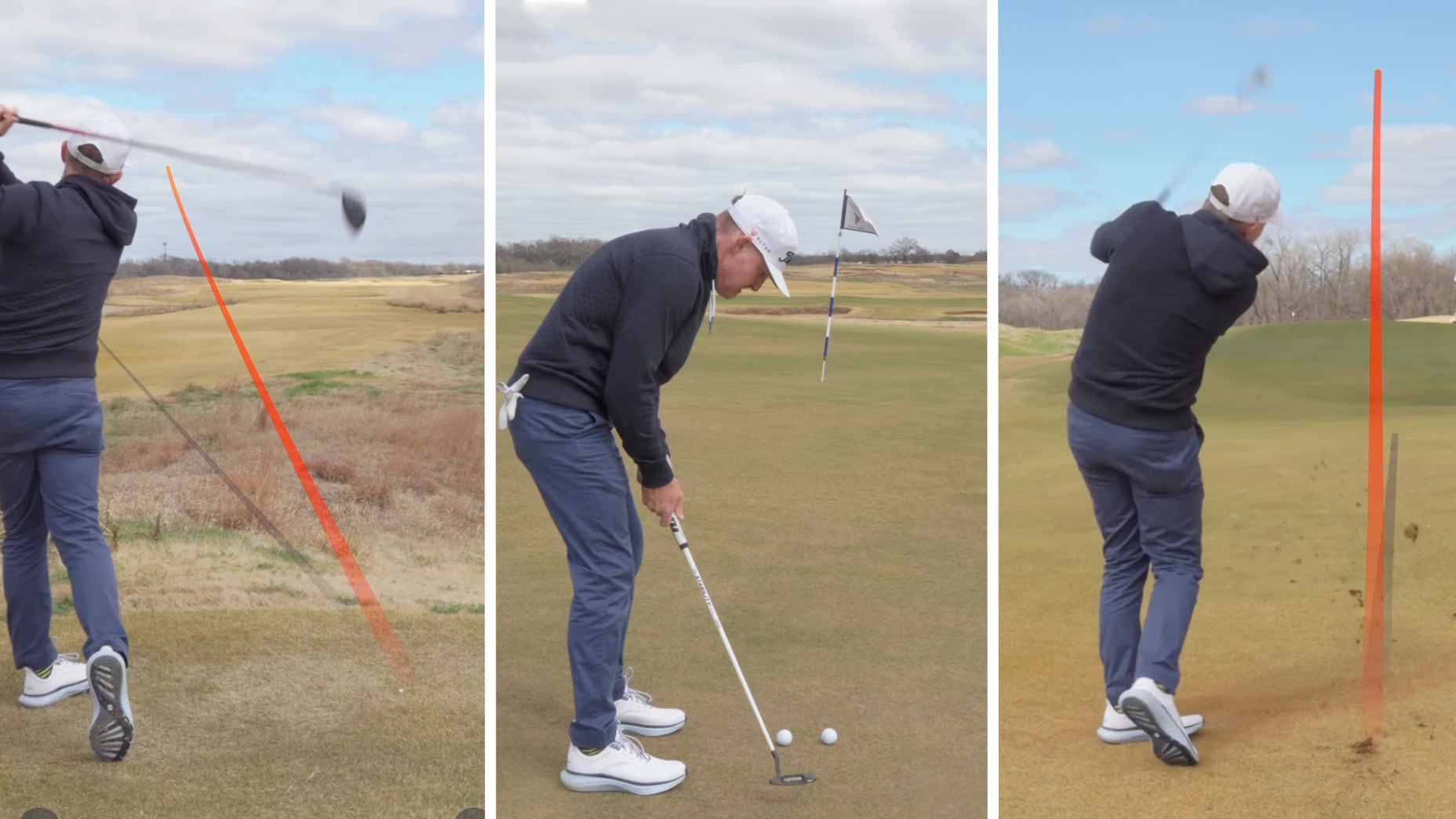
Few shots in golf inspire as much dread as the bunker shot. Amateurs tense up the moment their ball settles into sand, and the resulting stab or skull sends it rocketing across the green or burrowing deeper into the trap. Yet bunker play, once understood, is among the most forgiving shots in the game. The margin for error on a greenside explosion is actually wider than on a tight chip from hardpan. The key is understanding what the club is supposed to do and then trusting the technique enough to commit.
This guide covers everything from standard greenside bunker shots to the more demanding fairway bunker strike and the dreaded plugged lie. At the end, you will find practice drills that build feel and confidence so you can step into the sand without hesitation.
Greenside bunker fundamentals
The greenside bunker shot is unique in golf because you are not trying to strike the ball cleanly. You are using the sand as an intermediary. The clubhead enters the sand behind the ball, and a cushion of sand carries the ball out of the bunker and onto the green. Understanding this concept is the foundation of every successful sand shot.
Setup and stance
Open your stance by aiming your feet roughly twenty to thirty degrees left of the target for a right-handed golfer. Dig your feet into the sand slightly for stability, which also lowers your swing arc and helps you contact the sand at the right depth. Play the ball slightly forward of center, roughly opposite your left heel. Open the clubface before you take your grip so the bounce on the sole of the wedge is fully exposed. The bounce is your best friend in sand because it prevents the leading edge from digging too deeply.
The swing
Swing along the line of your feet rather than directly at the target. This out-to-in path combined with the open face produces a high, soft shot that lands gently. Focus on a spot in the sand about two inches behind the ball and commit to accelerating through impact. The most common amateur mistake is decelerating through the sand, which causes the club to stall and leave the ball in the bunker. Think of splashing the sand onto the green and letting the ball ride along with it.
Controlling distance
Many golfers assume they should swing harder or softer to change distance from a greenside bunker. A more reliable method is adjusting how much you open the clubface and how far behind the ball you enter the sand. A wide-open face with entry three inches behind the ball produces a short, high floater. A slightly less open face with entry closer to two inches behind generates a longer, lower running shot. The length of your swing can stay relatively consistent, which simplifies the motion and builds repeatability.
Fairway bunker technique
Fairway bunkers demand an entirely different approach from greenside traps. Here, you want clean ball-first contact with minimal sand interaction. Distance matters, and fat contact kills it instantly.
Setup adjustments
Unlike the greenside shot, keep your stance square to the target line. Grip down on the club by about half an inch to compensate for digging your feet into the sand. Position the ball slightly back of center to encourage a ball-first strike. Choose one more club than you would normally hit from that distance because the slightly shorter grip and conservative swing reduce power.
The swing
Keep your lower body quieter than on a normal full swing. Excessive leg drive causes your feet to slip in the sand, which alters the low point of your swing and leads to heavy contact. Focus on a smooth, controlled tempo and pick the ball cleanly off the surface. Think of it as a three-quarter swing with solid contact rather than a full lash at maximum speed. A clean seven iron from a fairway bunker will outperform a chunked five iron every time.
Lip clearance
Before selecting your club, always assess the height of the bunker lip. If the lip is steep, priority shifts from distance to simply getting the ball out and back into play. No amount of perfect technique helps if you choose a four iron and the ball slams into a six-foot face. Be honest about what the situation demands and take the lofted club if there is any doubt.
Plugged lies and fried eggs
A plugged lie occurs when the ball embeds in the sand upon landing, sometimes leaving a crater around it that resembles a fried egg. This is one of the most intimidating situations in bunker play, but the technique is straightforward once you understand the physics.
Setup changes
Close the clubface slightly rather than opening it. This might seem counterintuitive, but a closed face drives the leading edge down into the sand beneath the ball and pops it out. Square your stance to the target or even close it slightly. Position the ball in the center of your stance or just back of center.
The swing
Use a steep, aggressive downward strike. Imagine you are chopping into the sand directly behind the ball. There is no finesse here and no need for a long follow-through. The club digs into the sand, displaces the ball, and the momentum of the sand pushes it forward and up. Expect the ball to come out lower and with more roll than a standard bunker shot, so plan your landing spot accordingly. If you have a lot of green to work with, this shot is very manageable. If the pin is short-sided with a plugged lie, accept that getting it anywhere on the green is a good result.
Practice drills that build real confidence
Knowledge without practice is just theory. These four drills will ingrain proper mechanics and develop the feel that separates nervous hackers from confident sand players.
The line drill
Draw a straight line in the sand and practice hitting shots without a ball. Focus on entering the sand on the line and taking a consistent divot. Watch where the sand lands. When your divots are uniform in depth and length, place a ball on the line and hit real shots. This teaches you to trust the entry point rather than fixating on the ball.
The circle drill
Draw a circle around the ball with a radius of about two inches. Your goal is to remove the entire circle of sand with each swing. If you can consistently remove that dollar-bill-sized patch of sand, the ball will come out every time. This builds awareness of how much sand to take and removes the temptation to pick the ball clean.
The distance ladder
Place three towels on the practice green at ten, twenty, and thirty feet from the bunker. Hit five shots to each towel, adjusting your face angle and entry point rather than swing speed. Track how many land within a club length of each towel. This develops touch and shows you how small adjustments produce meaningful distance changes.
The buried lie repetition
Press five balls into the sand to simulate plugged lies and hit them all in sequence. Pay attention to how much force is needed and how much the ball rolls after landing. Most amateurs never practice this shot and then panic when they encounter it during a round. Ten minutes of deliberate practice removes the mystery entirely.
Final thoughts on mastering the sand
Bunker play rewards understanding and commitment far more than raw athletic ability. Learn what the bounce of your wedge does in different sand conditions. Commit to accelerating through every shot. Practice the uncomfortable situations like plugged lies and long bunker shots so they feel familiar rather than terrifying. The sand does not have to be your enemy. With the right technique and a bit of dedicated practice, bunkers become scoring opportunities rather than scorecard disasters. Walk into every trap knowing exactly what you are going to do, execute with confidence, and walk out with a simple up and down that keeps your round on track.