Introduction
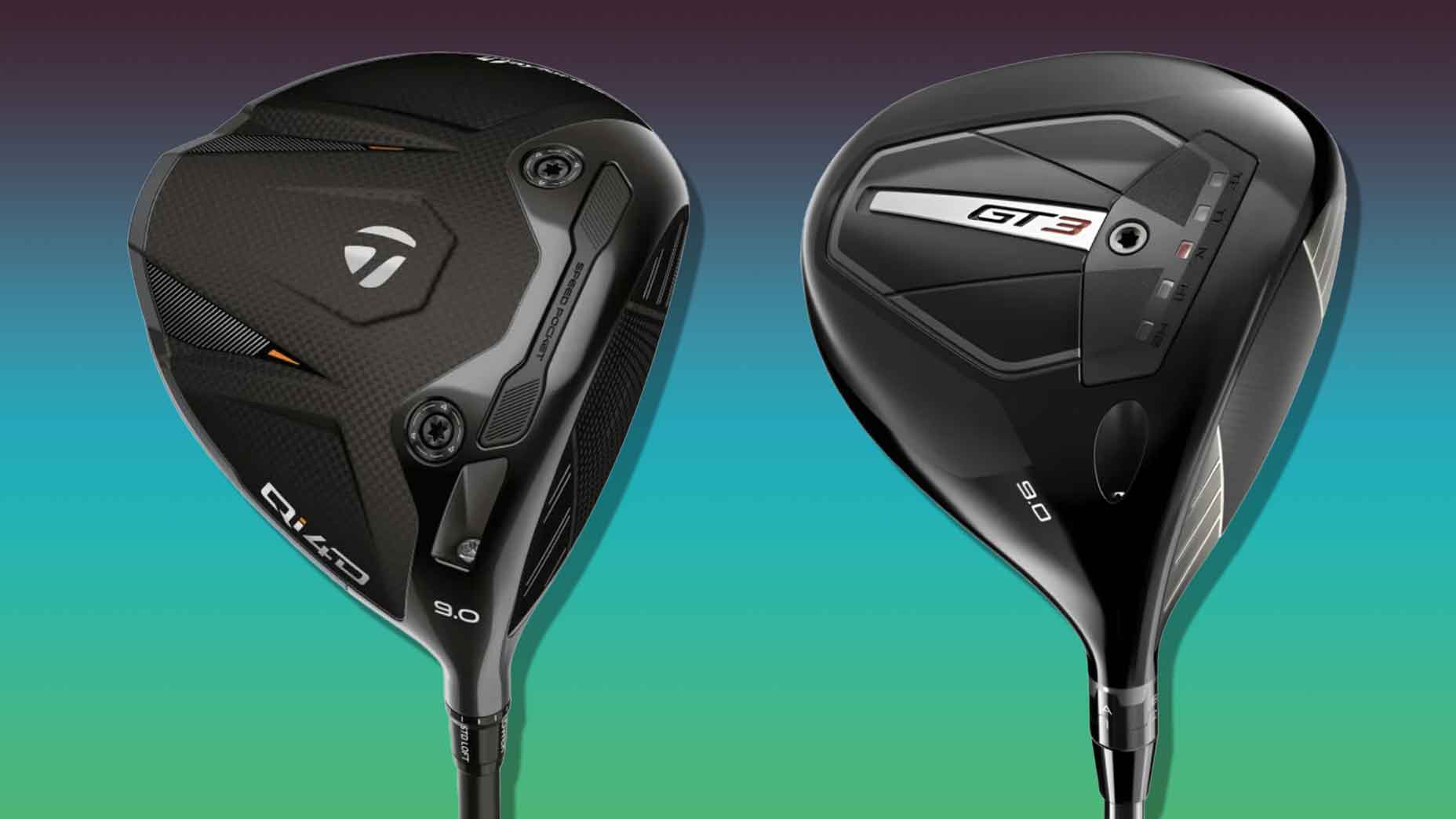
As the golf season heats up, many players are looking to upgrade their equipment for improved performance. Among the essential tools in any golfer's arsenal is the driver—arguably the most critical club for achieving distance off the tee. With technology advancing at an astonishing pace, the best players in the world have their unique preferences. In this article, we take a closer look at the drivers currently gaming the top-10 ranked golfers globally and what can be learned from their choices.
Key takeaways
- The driver is essential for maximizing distance off the tee.
- Each player in the top-10 has a unique driver model tailored to their playing style.
- Understanding the technology behind these drivers can help recreational players make informed decisions.
- Investing in the right driver can significantly impact performance and confidence on the course.
- Regular equipment updates can provide additional benefits to swing dynamics and overall game improvement.
Context and background
Golfers have long understood the importance of a good driver. Over the decades, advancements in materials and designs have continuously reshaped how these clubs are built, with top manufacturers striving to produce lighter, more forgiving, and more accurate drivers. In today's game, the driver is not just a tool for power; it is engineered for precision, often featuring adjustable settings to cater to a player's swing. According to a study by the PGA, average driving distances have increased by over 30 yards since the 1990s, a direct correlation to better technology and more skilled players utilizing it effectively.
Drivers of the elite: a closer look
Among the top-10 players in the world, the diversity of driver models is truly impressive. For instance, Rory McIlroy has been known to trust the TaylorMade SIM2, a driver renowned for its distance and stability. McIlroy, sitting prominently in the world rankings, seeks the best combination of control and power, which the SIM2 offers through its unique aerodynamic design.
Another powerhouse, Dustin Johnson, has opted for the Callaway Epic Speed, an innovative driver that focuses on faster ball speeds thanks to artificial intelligence optimized for his sweeping swing style. Johnson's choice speaks volumes about how specific technology can complement a player's unique technique.
In contrast, Jon Rahm has adapted to using the Ping G425 LST, specifically chosen for its low-spin capabilities, perfectly suiting his aggressive swing. This emphasizes the point that the best players understand the importance of matching their drivers to their natural swings, optimizing their potential.
Meanwhile, Collin Morikawa, known for his precision, plays with the Titleist TSi3, which translates into remarkable accuracy off the tee. The adjustable weighting system allows Morikawa to fine-tune his performance for various course conditions, ensuring he remains competitive no matter the situation.
These examples illustrate that while brand loyalty is common among players, the choices are heavily influenced by swing mechanics, course conditions, and personal preferences.
In their own words
"Finding the right driver took some time, but once I started using the TaylorMade SIM2, everything clicked. The distance and accuracy have been incredible for my game."
— Rory McIlroy
"I love how the Callaway Epic Speed performs. It gives me confidence to go after shots without fear of losing distance."
— Dustin Johnson
"The Ping G425 LST has really suited my game. The low spin helps me control my trajectory better, especially in tough wind conditions."
— Jon Rahm
What this means for golfers
For amateur and recreational golfers, the driver decisions of the world's best players can serve as a valuable guide when looking for equipment upgrades. When considering a purchase, golfers should look beyond brand names and consider features such as weight distribution, aerodynamic design, and adjustability. Finding a driver that complements an individual swing can lead to improved performance, whether it's increased distance off the tee or enhanced accuracy when navigating the fairways.
Many golf retailers are now offering fitting sessions, which allow players to test various driver models before deciding. Considering how personalized a driver can be, a fitting is crucial and is often a step that amateur golfers overlook.
What's next
As the golf calendar moves forward, players will continue to showcase their skills with these top drivers in various high-stakes tournaments. With events like the PGA Tour and the Ryder Cup on the horizon, keep an eye on how these drivers perform under competitive pressure. The takeaway from watching these tournaments is clear: the right equipment can make a significant difference. Amateur golfers should stay informed about emerging technologies and consider regular updates to their equipment, ensuring they are always playing with the best tools available.