Intro paragraph
For many golfers, a putter is much more than just a tool; it's an extension of their playing identity. After participating in the Fully Fit 2026 program, GOLF senior writer Sean Zak shares his enlightening experience of a one-hour putter fitting that led him to the perfect flatstick. For any golfer struggling with their short game, understanding the importance of custom fitting is essential.
Key takeaways
- A one-hour putter fitting can drastically improve putting performance.
- Personalization, including length, loft, and lie angle, is crucial for finding the right putter.
- Many golfers overlook the impact of a well-fitted putter on their overall game.
- Zak's experience underscores the benefits of professional fitting services.
- A flatter putting stroke can be complemented by the right putter setup.
Context and background
The art of putting remains a critical component of the game of golf. Historically, putters have evolved from simple wooden heads to intricately designed clubs with specialized technology. The innovation timeline has included the introduction of mallet versus blade designs, various grip types, and differing lengths to suit individual needs. As statistics suggest, nearly 43% of all shots taken during a typical round of golf are on the greens, making the putter arguably the most frequently used club in a golfer's bag.
Recent advancements in fitting technology have significantly contributed to golfers' understanding of their stroke mechanics. In the early 2000s, fitting was seen as a luxury, but as putting performance statistics have become more widely available, the conversation has shifted toward how best to equip oneself for success on the course. Databases now show that even the slightest adjustment can result in lower scores, making fitting services increasingly sought after.
My enlightening experience with putter fitting
Entering the fitting session, I had a general idea of what I wanted, but that all shifted as I began to take swings. The fitting specialist started by examining my current putter setup, assessing elements such as length, loft, lie angle, and overall balance. Each of these geometrical attributes plays a pivotal role in ensuring the putter aligns properly with my stroke. Through analysis, it became evident that my existing putter was a couple of inches too long, affecting my setup position.
Next, I was guided through a series of putts on a specially designed indoor green that utilized feedback technology. Sensors captured data from each stroke, allowing the fitter to provide immediate feedback on my performance metrics, such as stroke path, face angle at impact, and speed control. Every micro-adjustment was incorporated into the process; we fine-tuned loft and lie angles to optimize my roll and improve accuracy.
Interestingly, it quickly became clear that the type of grip I was using had a substantial impact on my feel and feedback during the stroke. Switching to a slightly larger grip not only improved my control but practically changed my perception of the putter’s balance. This experience reinforced the notion that putters are highly personal, and what works for one player may not yield the same success for another.
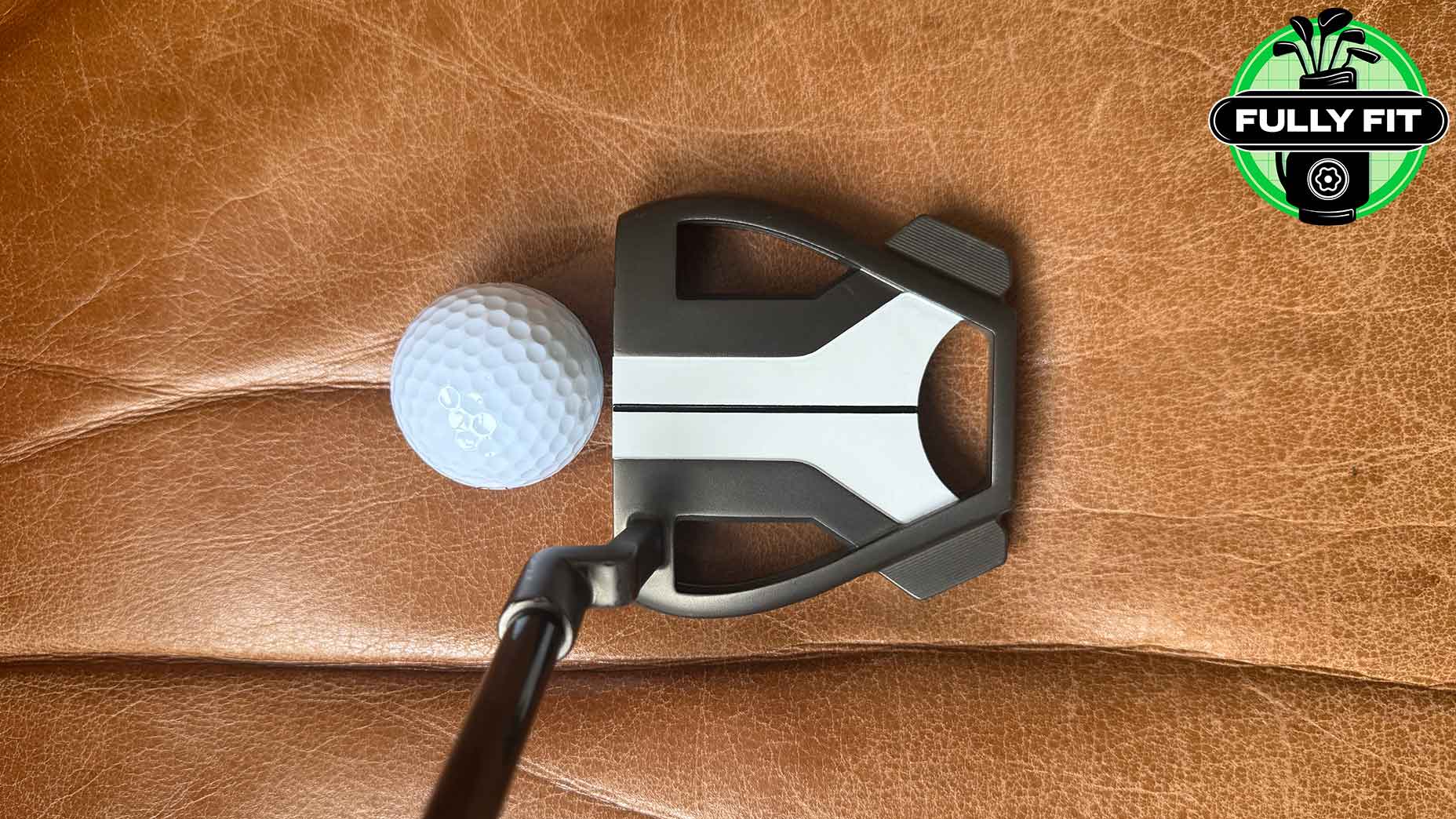
By the end of the hour, I had tried multiple putters, and after extensive testing, I settled on a model that significantly transformed my putting stroke. The choice was a mallet-style putter that offered better alignment aids and a more forgiving face. The combination of factors led to an enhanced feel and an intuitive confidence while standing over the ball.
In their own words
“A putter fitting isn’t just about finding any putter; it's about finding your putter, the one that gives you the confidence to read the greens with precision.”
— Sean Zak
What this means for golfers
The implications of my fitting experience extend beyond the confines of a single session. For recreational golfers, my journey serves as a vital lesson: investing time in personal fitting can yield tangible improvements to one's game. Whether you are a novice or a seasoned player, each putter's design significantly influences how a ball reacts to the green.
When considering a putter selection, golfers should not shy away from seeking professional fitting services. The personalized approach makes a difference, potentially bringing the putter head more in line with one’s unique stroke. It's important to take into account how factors like length and weight influence both stability and feel during the stroke.
Prospective buyers should ask questions during fittings, testing different styles to determine how various designs affect their performance. A well-fitted putter can not only improve statistics but also your mental game, creating a more enjoyable playing experience.
What's next
As the golf season progresses, I will inevitably be putting my new flatstick to the test on the course. Upcoming rounds will be an opportunity to assess how effectively the fitting has translated into better performance. Many golfers should look forward to similar opportunities, especially during fitting events or exhibitions in their local area.
The continued emphasis on equipment fitting within the golf industry signals a trend toward personalized services becoming mainstream rather than auxiliary. As golfers further understand the impact of tailored clubs and fittings on their game, the demand for specialized equipment is anticipated to grow, shaping how manufacturers innovate and design future putting tools.