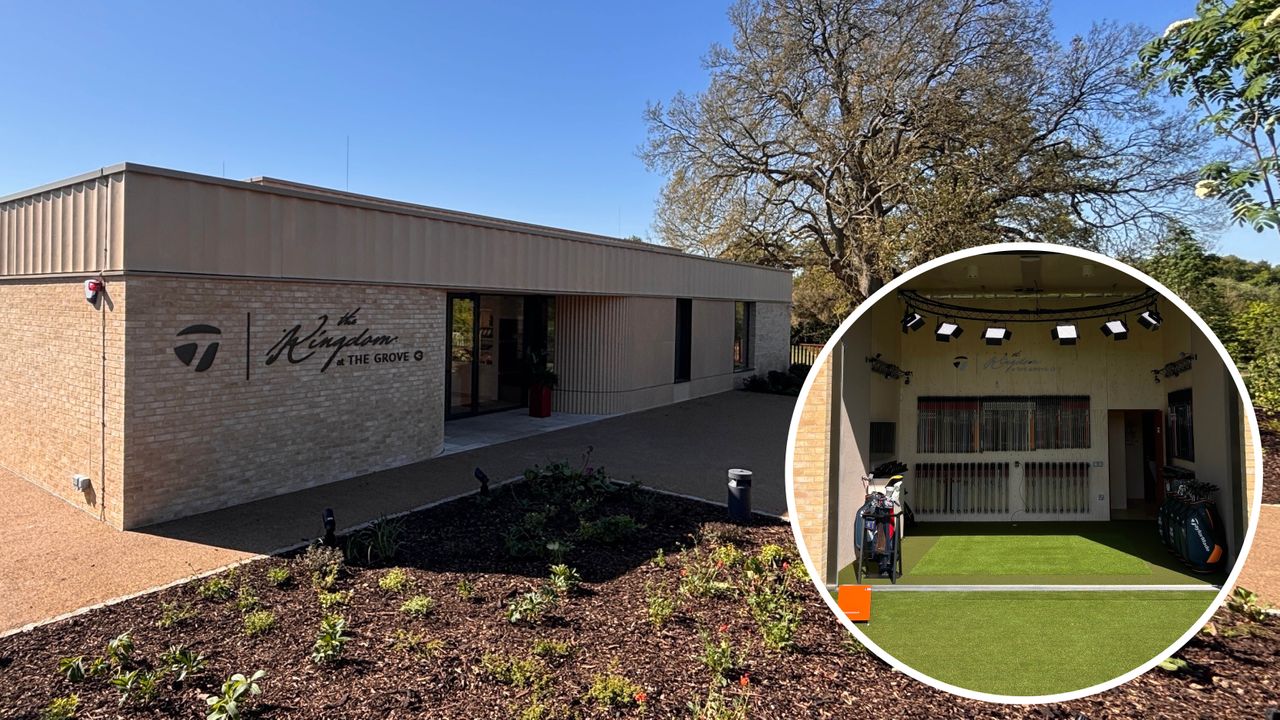


Preparing for a successful golf season
As spring approaches, golfers everywhere are dusting off their clubs, ready to transition from the comfort of indoor practice to the competitive thrill of the course. Accomplished single-figure golfer Jess Ratcliffe offers insights into effective habits that bridge the gap from winter work to spring success. Instead of focusing on swing changes this year, Ratcliffe emphasizes practice strategies and mental conditioning that promote consistency and performance on the course.
Key takeaways
- Adopting key habits can transition a golfer successfully into the competitive season.
- Jess Ratcliffe, a single-figure golfer, has shared five essential practices.
- Building confidence and routine will be instrumental for consistent performance.
- Focusing on mental conditioning can be just as important as physical training.
- These strategies can boost performance without making drastic technical changes.
Context and background
Jess Ratcliffe's journey as a single-figure golfer showcases a commitment to the game that many aspiring and amateur players can emulate. Typically recognized for their handicaps, single-figure golfers often experience a unique pressure to maintain precision and consistency on the course as the competitive season approaches. Last year, the transition from winter to spring saw many golfers struggle with consistency due to extensive swing changes, which often detracts from performance when it matters most. Ratcliffe aims to focus her preparations differently this year, reinforcing essential habits that prioritize effective practice and mental acuity over technical alterations.
Five habits for a competitive edge
Here are the five habits Ratcliffe is implementing to prepare her game for the competitive season:
- Routine Practice Sessions: Ratcliffe emphasizes scheduled practice that balances time between all aspects of the game. Instead of swinging endlessly at the driving range, she plans specific sessions focusing on putting, chipping, and course management.
- Setting Realistic Goals: “Setting achievable goals for each practice session helps keep my focus sharp and measures improvement,” Ratcliffe mentions. By breaking down larger objectives into smaller, manageable goals, golfers can celebrate small successes as they refine their game.
- Mental Conditioning: Golf is as much a mental game as a physical one. Ratcliffe incorporates visualization techniques into her preparation, where she mentally walks through each shot before playing. This practice allows for greater clarity and reduced anxiety when on the course.
- Engaging with a Partner: Ratcliffe advocates for the benefits of having a practice partner. Sharing insights, analyzing swings, and offering feedback can facilitate valuable learning moments and build accountability.
- Physical Fitness: Physical conditioning cannot be overlooked. Strengthening core stability, flexibility, and endurance translates directly to improved performance on the course. Ratcliffe incorporates fitness routines focusing on golf-specific movements to maintain peak physical condition.
In their own words
"Setting achievable goals for each practice session helps keep my focus sharp and measures improvement. It's important to build on what we've practiced while staying mentally strong out on the course."
— Jess Ratcliffe
What this means for golfers
The transition from winter training to a competitive season can feel daunting. However, Ratcliffe's insights provide practical strategies that every golfer, whether a novice or an experienced player, can apply to enhance their game. By designing intentional practice sessions, players can transition smoothly into the season, allowing results to reflect their efforts without getting entangled in complicated swing adjustments. Additionally, embracing mental conditioning can foster resilience and improved focus, providing a competitive edge during crucial moments on the course.
What's next
With the golf season approaching rapidly, it is crucial for players to evaluate their own preparation methods. Upcoming tournaments and events will serve as the proving ground for these newly adopted practices. Golfers should keep a close eye on how these habits affect performance, as well as any potential adjustments that may be needed as conditions change throughout the season. Jess Ratcliffe's approach could spark a shift away from technical changes, encouraging greater emphasis on maintaining consistency amid competitive pressures. As excitement builds, all eyes will be on how well these strategies reflect capable performance during the upcoming events.


/https%3A%2F%2Fcdn.pijper.io%2F2026%2F06%2FRkUgIHk3UBT3tw1781080975.jpg)