

Introduction
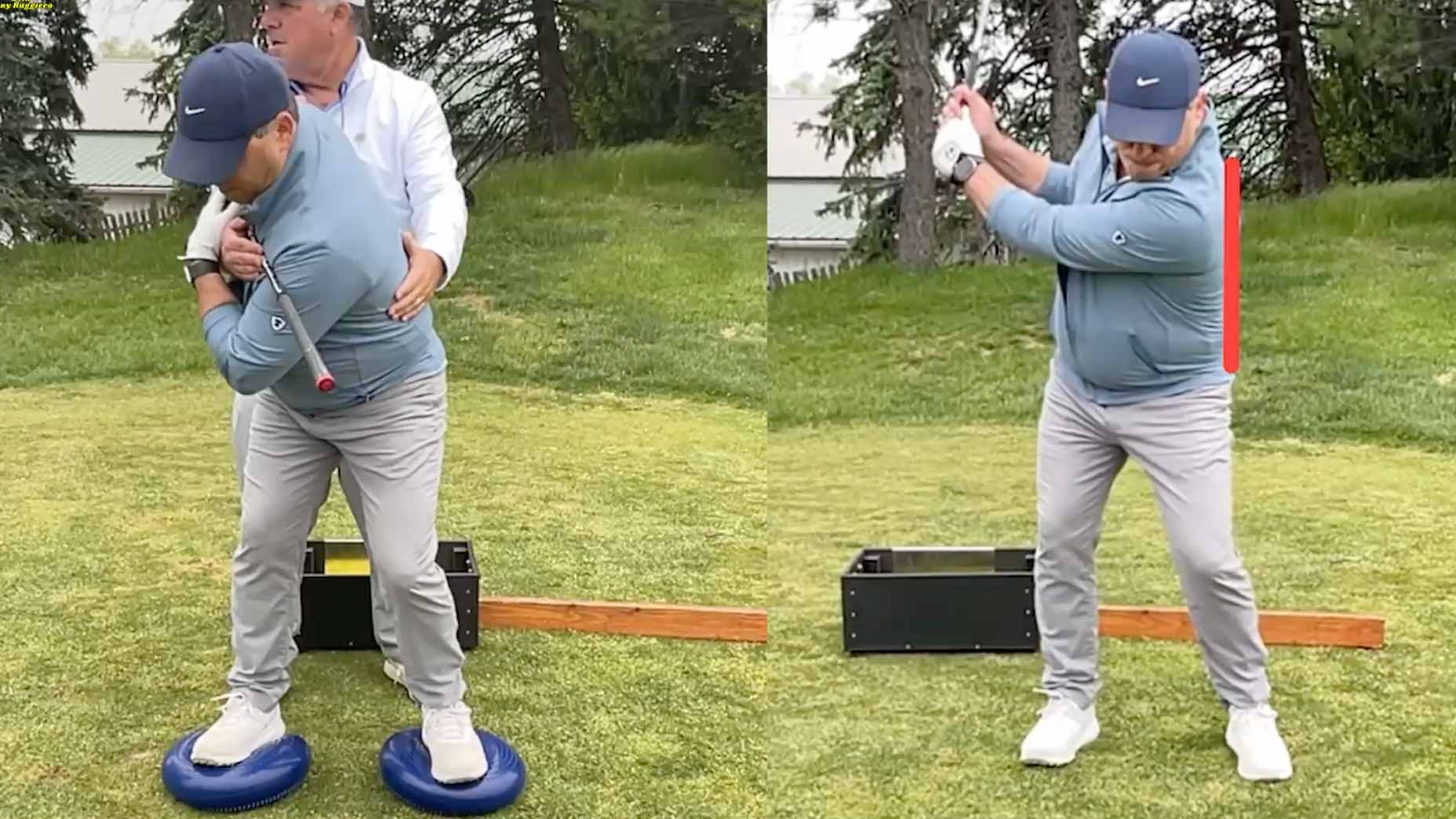
The golf swing is a delicate balance of power and precision, and even the smallest flaw can lead to inconsistent performance. One infamous mistake, known as the reverse pivot, often plagues golfers of all skill levels, leading to detrimental results on the course. Fortunately, professional teacher Tony Ruggiero has shared insights from his experiences in helping a student overcome this very challenge, illustrating that fixing this issue may be less daunting than many players think.
Key takeaways
- A reverse pivot adversely affects swing mechanics, causing consistent misses and errant shots.
- Renowned teacher Tony Ruggiero highlighted successful student improvements by addressing the reverse pivot.
- Effective drills and adjustments can simplify the correction process and enhance on-course performance.
- Understanding the dynamics of body weight transfer is crucial to avoid a reverse pivot.
- Round improvement comes with confidence in swing adjustments, leading to better consistency.
Context and background
The reverse pivot occurs when a golfer shifts their weight to the wrong side during the swing, typically swaying backward instead of following through to the front foot. This shift can lead to a myriad of issues, including loss of power, poor ball contact, and directional problems. Understanding how to address this swing flaw is vital for players looking to elevate their game.
A survey of swing mechanics reveals that successful golfers often emphasize proper weight transfer. In fact, reviews of high-performance players show that they correctly position their weight through a series of hinge and transfer movements, which facilitate an efficient shot. Many top instructors believe up to 70% of swing issues stem from incorrect body mechanics, with the reverse pivot being a leading culprit.
Understanding the reverse pivot: a closer look
The reverse pivot can especially affect amateur golfers, where common mistakes are often rooted in incorrect biomechanics. Ruggiero emphasizes how the typical reverse pivot happens when players begin their downswing without properly transferring weight from the back foot to the front foot. This leads not only to poor ball striking but can also create significant tension in the upper body that hampers swing fluidity.
In his recent work with a student struggling with this very issue, Ruggiero utilized a series of drills aimed at fostering awareness of weight transfer. For example, one drill involved focusing on the front foot during the backswing, ensuring the player stayed grounded on that side rather than shifting too far back. Implementing these adjustments not only improved the student’s swing mechanics but significantly increased their confidence on the course.
The statistics speak volumes. Golfers who effectively address the reverse pivot can realize a marked improvement in powerful, accurate strikes—with many players reporting improvements of 10+ strokes over several rounds. This is an essential reminder of how correcting one pivotal flaw can lead to greater consistency and enjoyment in the game.
In their own words
"The reverse pivot was something I didn’t realize I was doing until Tony pointed it out. Once we worked on my weight transfer, I could feel the difference immediately in my swing."
— Student of Tony Ruggiero
What this means for golfers
For recreational golfers facing similar challenges, the takeaway is clear: addressing a reverse pivot can yield significant performance improvements. If you're experiencing inconsistencies in your shots, consider focusing on balance and weight transfer as a part of your practice routine. Identifying the sensation of weight on your front foot during the swing might be key to reprogramming your movement.
Equipment can also play a role. While fixing the swing flaw itself is paramount, ensuring you're using clubs that suit your physical measurements can aid in better performance. Club fittings that accommodate your stance and swing mechanics can serve as a secondary enhancement to overall play.
What's next
As golfers head into the upcoming season, the lesson from Ruggiero's teaching and student success story stands to inspire many. For those looking to refine their game, exploring proper weight transfer principles will be key. Furthermore, upcoming golf clinics focusing on biomechanics may offer excellent opportunities for hands-on learning.
Future events such as local tournaments and golf exhibitions can also provide platforms where enthusiasts can glean insights from professionals, learn new drills, and connect with coaches. By fostering these changes, golfers not only improve their game but also enhance their enjoyment on the course.



/https%3A%2F%2Fcdn.pijper.io%2F2026%2F06%2FeVEGiWJoTJMqYU1780909665.jpg)