


Gary Woodland battles through PTSD at the Masters
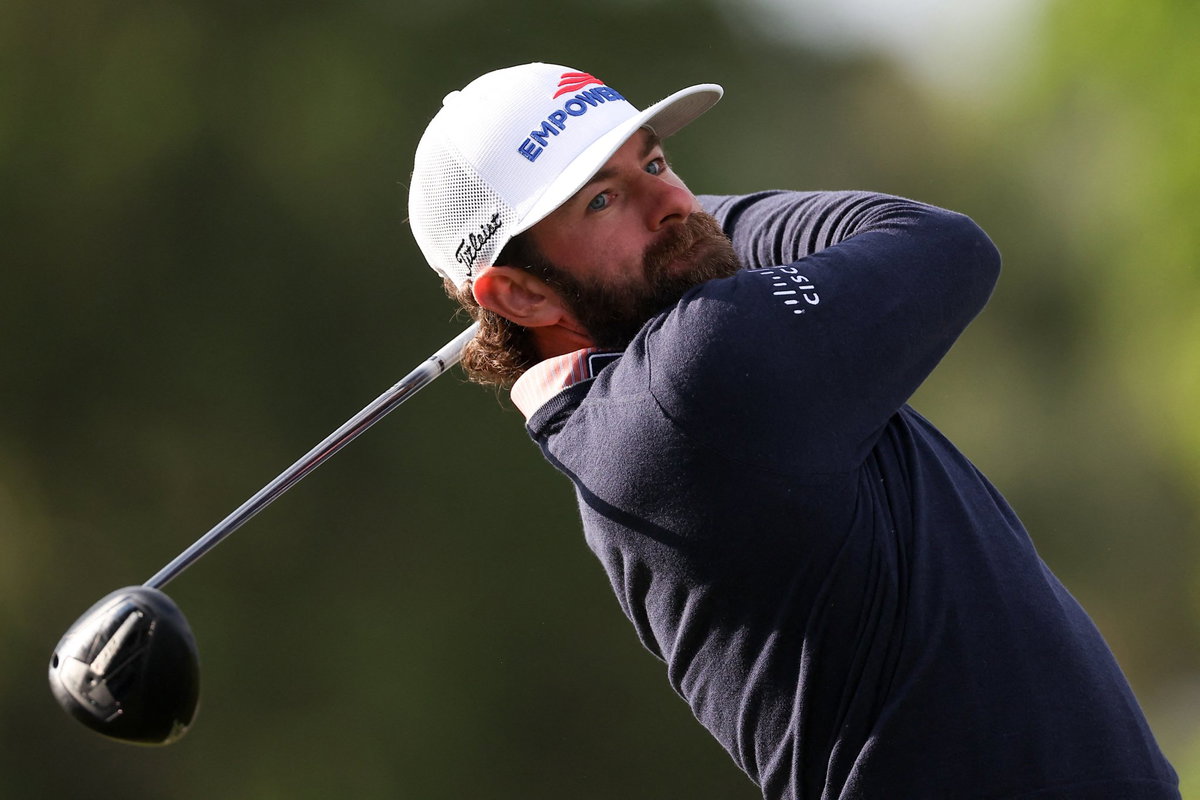
As the serene backdrop of Augusta National welcomes golfers and fans alike for this year’s Masters, one player stands out for his determination to return to form despite personal struggles. Gary Woodland, former U.S. Open champion, has been open about his battle with PTSD. His story is more than just about golf; it exemplifies resilience and the strength of the human spirit as he competes on one of the biggest stages in the sport.
Key takeaways
- Gary Woodland has revealed his ongoing fight with PTSD, sharing insights into his mental health journey.
- He emphasizes the importance of seeking help and support in overcoming personal challenges.
- Woodland's presence at the Masters exemplifies his resilience and commitment to the game.
Context and background
Gary Woodland secured his place in golf history by winning the 2019 U.S. Open, a peak moment that many players dream of achieving. However, shortly after this significant milestone, Woodland faced overwhelming challenges that would test his mental fortitude. Reports suggest that he began experiencing symptoms of PTSD related to events both on and off the course. This diagnosis has been a source of struggle, yet it has propelled Woodland to become a vocal advocate for mental health awareness in sports.
In a world where mental health is often stigmatized, especially among professional athletes, Woodland’s story resonates powerfully. According to a study published in the *Journal of Sport and Exercise Psychology*, nearly 35% of professional athletes experience significant mental health issues at some point in their careers. This highlights the need for support systems that cater to the mental well-being of athletes as well as the physical.
Woodland's journey: A fighter on and off the green
During a recent press conference at Augusta, Woodland shared his emotional experience, stating, "I know how close I was to never being back. There were times when I felt like I was entirely alone in this battle." His bravery in speaking out shines a light on an often-hidden reality for many sports professionals facing similar issues.
Throughout his career, Woodland has always been known for his formidable gameplay. However, the emotional scars he has incurred as a result of PTSD pose unique challenges that transcend golf. His determination to return to competition not only symbolizes resilience but also serves as an inspiration for countless others grappling with similar struggles.
This year at the Masters, Woodland's approach to the game has been infused with a newfound perspective. He has emphasized the mental aspects of golf, citing focus and mindfulness as vital components in his preparation. Statistically, he has turned his game around, recording an average driving distance of 315 yards, proving that he can successfully meld athletic prowess with mental strength.
In their own words
"It's not just about hitting fairways and greens. It’s about your mental state. You need to be in a good place up here to really succeed. I've learned that the hard way."
— Gary Woodland
Woodland reflected further, sharing, "Talking about my experiences has been cathartic. I hope my story can inspire others to seek help if they need it. Mental health is just as important as physical health, and in golf, it can make the difference between a good round and a great one."
What this means for golfers
Gary Woodland's public battle with PTSD presents several takeaways for recreational golfers and fans alike. For amateurs, his journey serves as a reminder that mental and emotional struggles can affect anyone, regardless of skill level or achievements. By advocating for mental wellness, Woodland encourages golfers to seek help and resources that promote mental health.
Additionally, his experience underscores the importance of developing a strong mental game. As many golfers know, the sport often requires more than just physical ability; focusing on one’s mental approach can significantly enhance performance. Golfers at all levels can benefit from practices such as mindfulness, breath control, and self-awareness, improving not only their game but also their overall enjoyment of the sport.
What's next
As Woodland continues his journey through professional golf amidst personal challenges, fans are keenly watching his progress at the Masters this year. Beyond Augusta, Woodland's story is likely to encourage discussions about mental health in sports, particularly as more athletes begin to share their experiences. Upcoming tournaments will serve as platforms for Woodland to further discuss mental wellness and his recovery, influencing a shift toward greater acceptance within the sporting community.
Golf organizations may also reflect on the need for mental health resources and support systems as part of their overall training regimens. Woodland's story provides a pivotal opportunity to initiate these conversations within golf, potentially reshaping how the sport addresses athlete well-being moving forward.


/https%3A%2F%2Fcdn.pijper.io%2F2026%2F06%2FRkUgIHk3UBT3tw1781080975.jpg)