


Intro paragraph
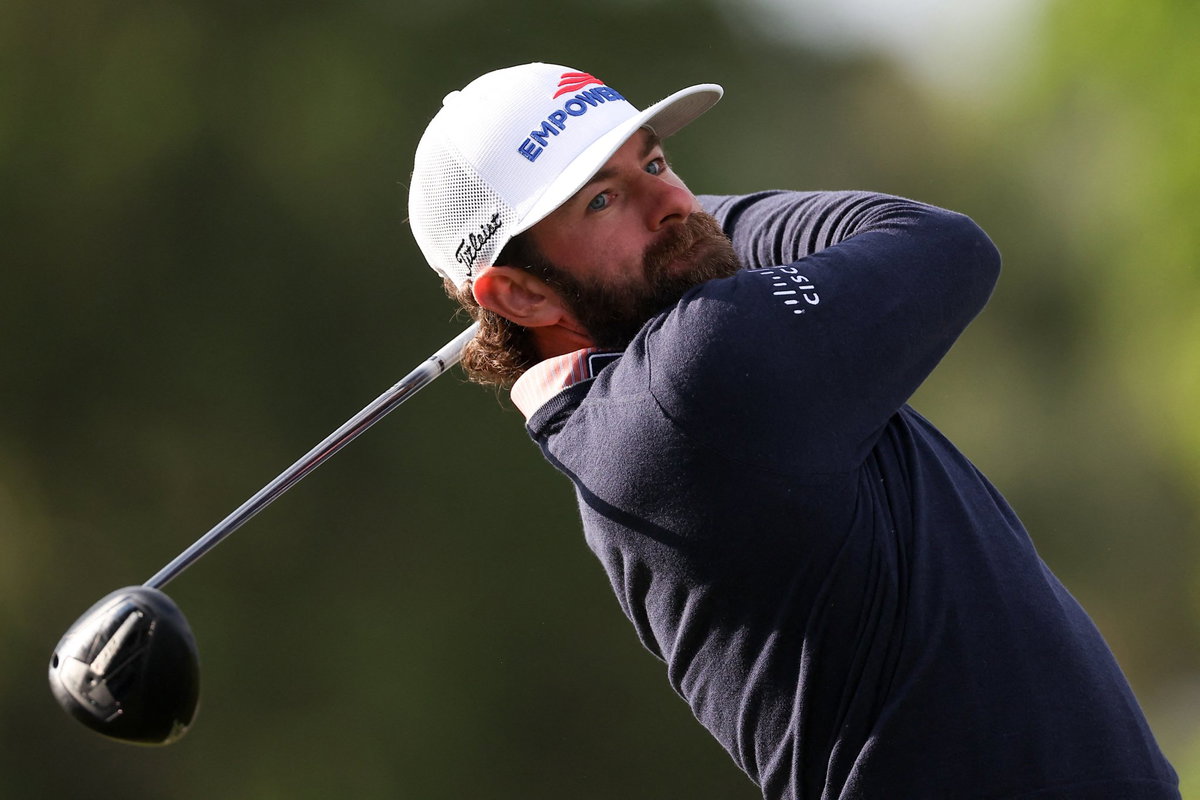
The excitement surrounding the Masters Tournament is palpable, and one name is rising to the forefront among fans and analysts alike: Gary Woodland. Recently, Woodland has not only captured headlines with his stellar play but has also become a source of inspiration by sharing his battle with PTSD. As players prepare to take on the iconic Augusta National Golf Club, many are rallying around Woodland, whose candidness and determination are positioning him as one of this year's favorites.
Key takeaways
- Gary Woodland has emerged as a strong contender at this year’s Masters.
- He has openly discussed his experiences with PTSD, raising awareness and support.
- Woodland finds comfort in the presence of security while competing at high-stakes events.
- His resilience and persona have made him a fan favorite, boosting his chances at Augusta.
- The Masters remains a prestigious tournament that attracts the best golfers in the world.
Context and background
The Masters Tournament, held annually in April, is one of golf’s four major championships and has a storied history dating back to its inception in 1934. It is renowned for its beautiful azaleas, challenging course layout, and rich tradition, including the awarding of the coveted green jacket to the winner. Over the years, players such as Jack Nicklaus, Tiger Woods, and Phil Mickelson have marked their names in the tournament's folklore, but it is often the players who display extraordinary journey behind the scenes that captivate audiences. As winners have come and gone, the narratives around them have also shaped the dynamics of competition.
Gary Woodland's rise to prominence has been accompanied by various struggles and triumphs. His breakthrough victory came in 2019 when he won the U.S. Open, solidifying his place in the upper echelons of professional golf. However, his path has not been without challenges, notably a public struggle with PTSD, which he has been addressing more openly in recent months. Statistics indicate that around 8 million adults annually struggle with PTSD in the U.S., and Woodland’s willingness to share his experiences is helping to break the stigma associated with the condition.
An inspiring journey
The Masters provides an unparalleled setting for Woodland to showcase not just his golfing prowess but also his resilience. He has shared that the unpredictability of PTSD episodes can be daunting. Woodland stated, “I have no idea when I might have an episode, which can be jarring. However, knowing that there is security nearby during my rounds gives me some comfort. I can focus more on my game when I feel safe.” This acknowledgment of his mental health, especially in a high-pressure environment like Augusta, has resonated with many, making him a relatable figure on the PGA Tour.
In addition to his mental health advocacy, Woodland has shown consistent performance on the golf course, which has kept fans and followers engaged. An example of this is his impressive statistics from recent tournaments; Woodland has consistently ranked among the top 30 in average driving distance, which plays a crucial role in the layout of Augusta National. His ability to drive the ball long, paired with precision iron play and putting, positions him as a legitimate threat.
Adding to the narrative, Woodland's personable nature makes him a favorite for many, further enhanced by his openness in discussing mental health issues. As he walks the fairways known for their rich history and stunning beauty, Woodland embodies the spirit of sportsmanship and courage, encouraging discussions that normalize conversations about mental health in sports.
In their own words
"I have no idea when I might have an episode, which can be jarring. However, knowing that there is security nearby during my rounds gives me some comfort. I can focus more on my game when I feel safe."
— Gary Woodland
What this means for golfers
For recreational golfers, Woodland’s journey serves as a reminder of the mental challenges that can accompany sports performance. It emphasizes the importance of mental health, advocating for golfers of all levels to seek help and have discussions surrounding their own struggles. On a practical level, players can learn from Woodland's approach to handling pressure—developing coping strategies during play can improve one's overall experience on the course.
Additionally, equipment innovation warrants consideration. Woodland's emphasis on distance and accuracy can influence how amateur players choose their gear. Investing in the right driver and golf balls can help improve distance and control, which may benefit recreational players wanting to enhance their game.
What's next
As the Masters approaches, all eyes will be on Gary Woodland not just for his performance, but as a beacon of hope and resilience. Beyond the tournament, Woodland has sparked conversations that may affect players’ mental health awareness within the sport. Upcoming tournaments in the PGA Tour season will be opportunities for Woodland to continue his impact, making both headlines and strides towards fostering a supportive community for athletes battling mental health issues. The excitement surrounding him at the Masters signifies a shift in how fans connect with players—valuing the narratives behind their stats and victories.


/https%3A%2F%2Fcdn.pijper.io%2F2026%2F06%2FRkUgIHk3UBT3tw1781080975.jpg)