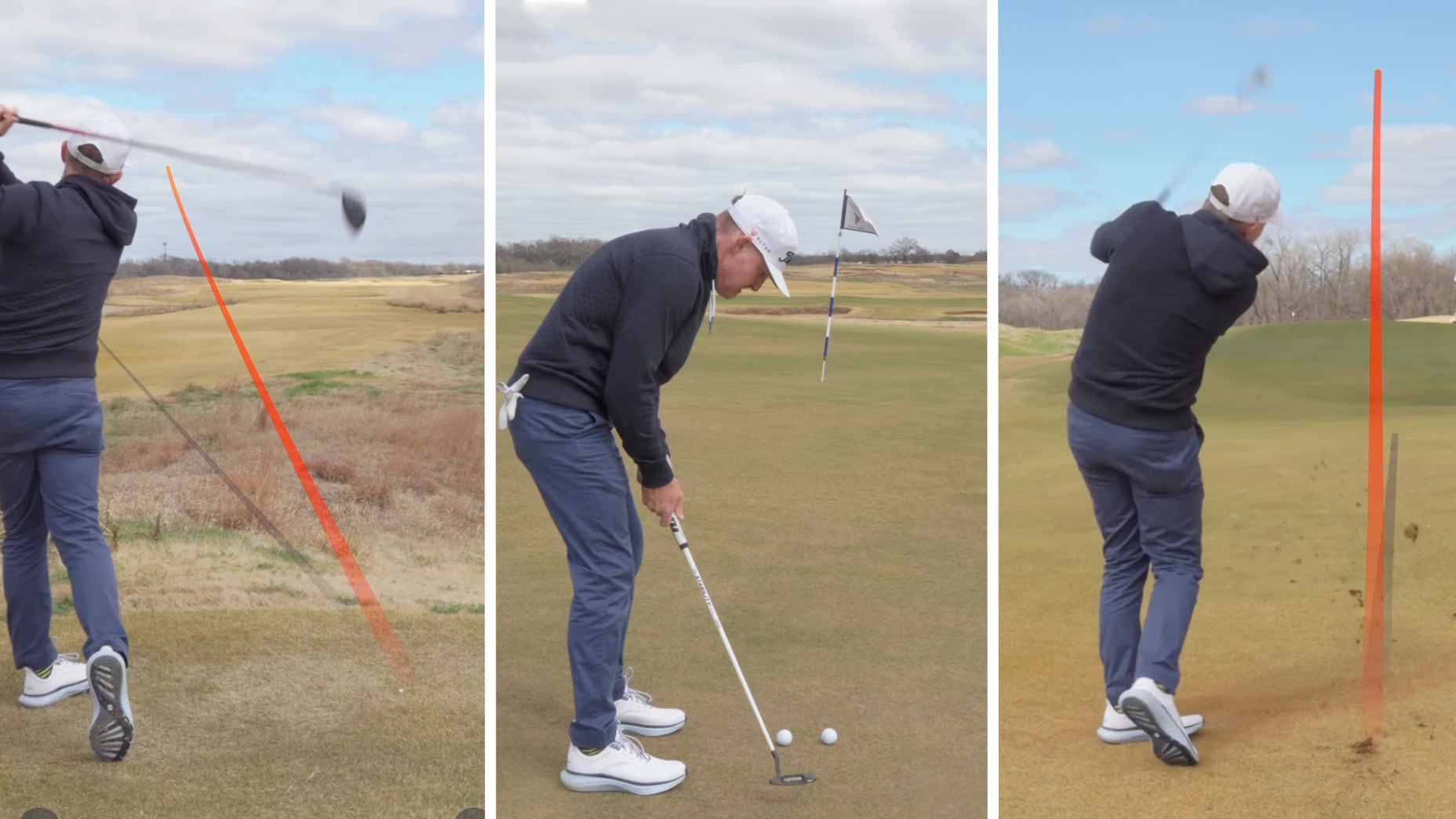


Introduction to golf swing fundamentals
The golf swing is a complex motion that requires precision, practice, and understanding of its fundamentals. Mastering the basics can significantly enhance your performance on the course. This article will provide an in-depth overview of the key components of a successful golf swing: grip, stance, alignment, backswing, downswing, and follow-through. Additionally, we'll discuss common mistakes and their fixes to help you refine your technique.
The grip: the foundation of your swing
Your grip is one of the most critical aspects of your swing. A proper grip ensures control and promotes a consistent swing path. The two primary grips used in golf are the Vardon grip (also known as the overlapping grip) and the interlocking grip.
Vardon (overlapping) grip
The Vardon grip is widely preferred by many professional golfers. To achieve this grip, follow these steps:
- Place your lead hand (left hand for right-handed golfers) on the club, ensuring that the thumb is pointing down the shaft.
- Wrap the fingers around the grip, making sure the index finger is slightly separated from the other fingers.
- Next, place your trail hand (right hand for right-handed golfers) below the lead hand, ensuring that the pinky finger overlaps the index finger of the lead hand.
Common mistake: gripping too tightly can restrict your swing. To fix this, hold the club with a light grip pressure, allowing for better clubhead speed.
Stance: your foundation
Your stance sets the stage for a successful swing. A balanced and athletic stance will enable you to generate power and maintain control throughout your swing. Here’s how to establish a proper stance:
- Stand with your feet shoulder-width apart for a balanced base.
- Position the ball in line with your lead heel for shorter clubs and more centered for longer clubs.
- Bend your knees slightly and hinge at the hips to create a comfortable posture, keeping your back straight.
Common mistake: standing too wide or too narrow can hinder balance. Adjust your stance to maintain shoulder-width spacing to enhance stability.
Alignment: aiming for success
Proper alignment is essential for directing your shots accurately. To ensure correct alignment:
- Position your feet, hips, and shoulders parallel to the target line.
- Utilize alignment sticks or visual markers on the ground to help establish your target line.
Common mistake: aligning your body too far left or right can lead to inconsistent shots. To fix this, regularly check your alignment during practice sessions.
Backswing: the initiation of power
The backswing is where you gather energy for your shot. A proper backswing sets the stage for a powerful downswing. Here are the key elements:
- Start your backswing by turning your shoulders while keeping your arms relaxed.
- Allow your wrists to hinge naturally, creating an angle between the club shaft and your forearm.
- At the top of your backswing, your lead arm should be nearly straight, forming a straight line with the club.
Common mistake: over-rotating your shoulders can lead to a loss of balance. Focus on a controlled rotation and maintaining your posture throughout the backswing.
Downswing: unleashing power
The downswing is where the stored energy from your backswing is released. Here’s how to execute a proper downswing:
- Initiate the downswing with your lower body, particularly your hips, leading the movement.
- Maintain the lag created in your wrists during the backswing to maximize clubhead speed.
- Keep your head steady and eyes on the ball as you approach impact.
Common mistake: starting the downswing with your arms instead of your lower body can lead to poor contact. To correct this, practice initiating the downswing by focusing on your hip movement.
Follow-through: completion of the swing
The follow-through is crucial for maintaining balance and ensuring a complete swing. A proper follow-through should include:
- Continuing the motion of your swing, allowing your arms to extend fully after impact.
- Rotating your hips and shoulders towards the target to promote a full release.
- Finishing in a balanced position, ideally with your weight shifted onto your lead foot.
Common mistake: failing to complete the follow-through can lead to inconsistent shots. Focus on finishing your swing to promote better accuracy and distance.
Conclusion: practice for improvement
Understanding and mastering the fundamentals of the golf swing can dramatically improve your performance on the golf course. Regular practice of the grip, stance, alignment, backswing, downswing, and follow-through will lead to a more consistent and powerful swing. Remember to identify common mistakes and apply the fixes outlined in this article. With time and dedication, you'll be well on your way to a more effective golf game.