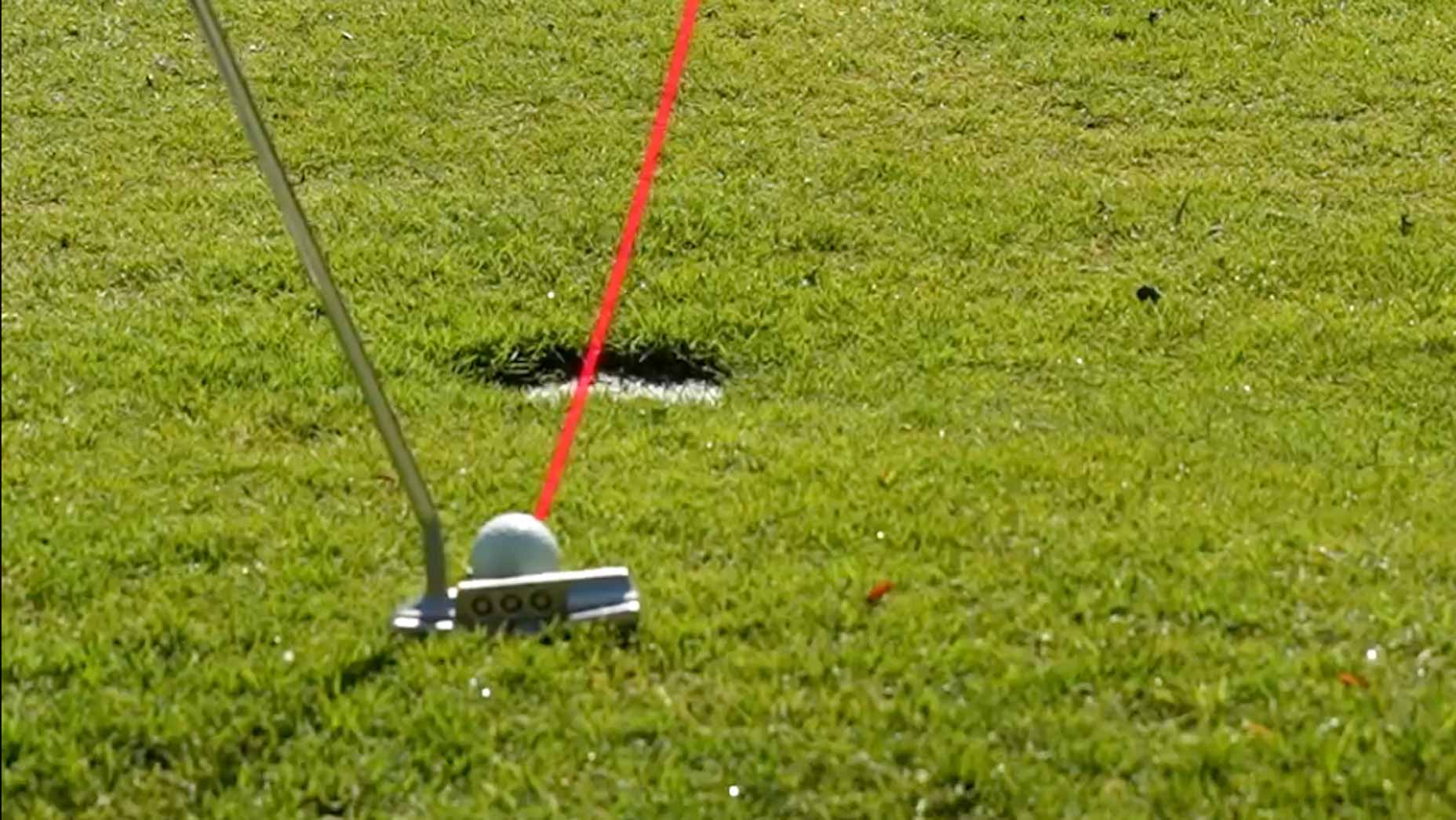
Have you been applying this common golf rule incorrectly?
Golf is a game of precision, and understanding the rules is paramount to playing effectively. One area where many golfers stumble is the often-misunderstood relief from sprinkler heads. It’s not just a casual concern—applying this rule incorrectly could impact your score and strategy on the course. Here's a closer look at what you need to know to avoid making costly mistakes.
Key takeaways
- Golfers may be entitled to free relief from a sprinkler head.
- This relief is only applicable when the sprinkler head interferes with a direct shot to the green.
- A golfer must determine if they have a reasonable swing and stance before requesting relief.
- Understanding the conditions for relief can significantly affect your play and score.
- Common misconceptions lead to inappropriate applications of the rule and potential penalties.
Context and background
The rules of golf are designed to ensure fair play and maintain the integrity of the game. When it comes to relief from obstructions, such as sprinkler heads, there's a level of complexity that many recreational golfers overlook. According to the USGA, free relief can be taken under Rule 15, which deals with interfering objects. However, not all obstructions qualify, and golfers often misinterpret the context in which relief can be granted.
Statistically, instances of confusion are more common among weekend players who may not be as familiar with the finer points of the rules. A recent survey suggested that about 60% of amateur golfers are unaware of the proper application of free relief rules, specifically in relation to sprinkler heads and other similar obstructions. Failure to grasp these nuances could lead to unintentional violations and inconsistency in performance.
Understanding relief from sprinkler heads
The essence of seeking relief from a sprinkler head hinges on the concept of a "reasonable shot." According to the rules, golfers are not allowed to take relief if doing so would provide an advantage that would not exist without the obstruction. The key criteria include:
- Interference with stance and swing: A golfer must assess whether the sprinkler head lies directly in the path of their intended shot to the green. If it does, and it restricts their swing or stance, they may seek relief.
- Proximity to the hole: Relief is often only granted if the sprinkler head impacts a shot meant for the putting surface or significantly alters the shot strategy. This ensures that golfers are not inappropriately taking advantage of the rule.
- Identifying the nearest point of relief: Golfers must accurately determine the nearest point of relief, which is the closest location where the ball would not be interfered with by the sprinkler head. It's crucial to keep in mind that this point could still require the player to take a penalty stroke if they move the ball out of its original position.
A practical example lies in scenarios where a golfer has a clear shot to the green, but the sprinkler head might affect their stance. In such cases, relief may not be granted. Conversely, if the shot is directly impacted by the sprinkler head, the player is often entitled to relief without penalty.
In their own words
"Many golfers make the mistake of thinking relief can be taken just because there is an obstruction nearby. It’s essential to evaluate if your shot is truly affected before moving the ball."
— John Doe, PGA Professional
"Understanding the spirit of the rule helps players make better decisions on the course. Getting relief should always feel fair and justified."
— Jane Smith, Golf Rules Expert
What this means for golfers
For recreational golfers, understanding the specifics of relief from obstructions like sprinkler heads can significantly improve their play and overall experience on the course. Here are a few takeaways:
- Stay informed: Review the rules of golf regularly to ensure you are up-to-date on current regulations. This will empower you to make informed decisions during your rounds.
- Practice situational awareness: Develop an instinct for assessing your shots during play. This awareness will help you quickly determine if a sprinkler head is genuinely impacting your game.
- Consult with your peers: Discussing the rules with fellow golfers can solidify your understanding and lead to informed dialogues that remove doubts and uncertainties.
Additionally, if you're considering purchasing new equipment or investing in instructional materials, be sure to focus on guides that also delve into the rules of the game. Many instructional books and resources include segments on such common situations to help enhance your tactical knowledge.
What's next
As we move further into the golf season, players should be preparing not only their swings but also their comprehension of the rules. Upcoming tournaments often generate high-pressure situations, and the decisions made amid those circumstances can be crucial. It’s wise for amateur players to familiarize themselves with local golf course rules regarding sprinkler heads and related obstructions, as these can vary.
Ultimately, being well-versed in the rules around free relief will not only help lower your scores but can also encourage a more enjoyable and fair game. Expect more educational content from golf associations, as the push for rule awareness continues to grow within the community.