Introduction
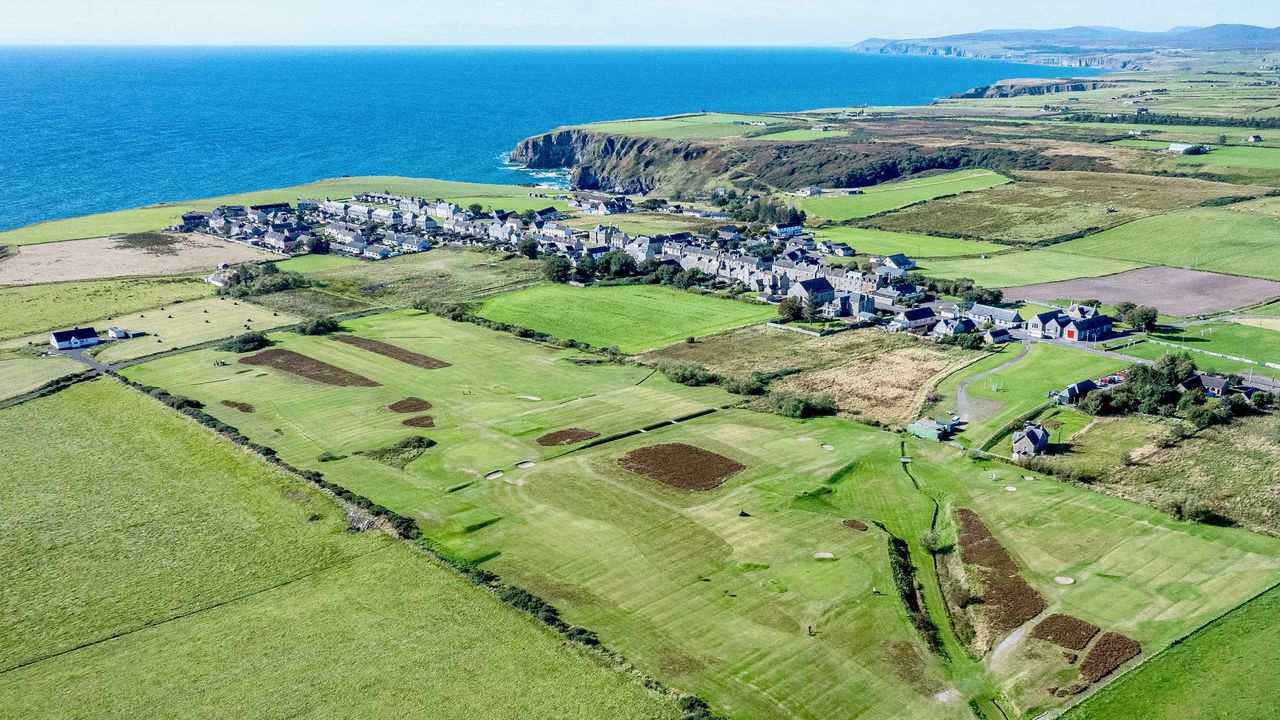
In the heart of the UK and Ireland, nine-hole golf clubs are often overlooked, overshadowed by sprawling championship courses and flashy amenities. Yet, for many communities, these quaint courses are a lifeline, fostering local camaraderie and passion for the sport. Jeremy Ellwood and Kevin Markham delve into this often-underappreciated realm and unveil a world brimming with both challenges and inspiration.
Key takeaways
- Small nine-hole golf clubs play a vital role in local communities, promoting the sport at grassroots levels.
- Managing these clubs often involves significant challenges, including financial strain and maintenance issues.
- Despite limitations, they foster a welcoming environment that encourages participation from golfers of all skill levels.
- Unique stories emerge from these clubs, showcasing the passion and dedication of both members and management.
- The growth of such clubs can lead to a revival of interest in golf, attracting younger players to the sport.
Context and background
Historically, golf has been a sport that caters to all socioeconomic classes, yet modern golf culture often emphasizes luxury and exclusivity. Small nine-hole clubs have long served as a bridge to the game, particularly in remote areas of the UK and Ireland. According to statistics from the Golf Union, small clubs account for more than half of golf facilities in England.
These clubs typically have lower membership costs and offer flexible playing options, making them accessible to a diverse range of golfers. However, recent years have presented these venues with considerable difficulties. Economic downturns, changes in leisure activities, and the aging demographic of their members have led to declining memberships and uncertain futures.
The heartbeat of the community: Challenges and triumphs
Ellwood and Markham’s journey through the largely uncharted territories of nine-hole golf clubs highlights a mix of charm and adversity. Managing such clubs demands not only a passion for the sport but also an entrepreneurial spirit. It’s often up to dedicated volunteers to keep these institutions afloat, balancing budgets while providing quality experiences.
One of the most pressing challenges these clubs face is financial sustainability. Many do not have the luxury of extensive sponsorship deals, and membership fees alone frequently fall short of covering maintenance and operational costs. According to industry experts, average annual operating costs for a nine-hole club can range from £30,000 to £70,000 depending on location and facility upkeep standards.
In addition to financial hurdles, the lack of facilities typically seen at larger courses—like practice ranges, advanced clubhouse amenities, and catering services—means that small clubs often struggle to attract a younger demographic. However, Ellwood and Markham are quick to point out that this should not overshadow the welcoming and intimate community environments these clubs generate.
As members often develop lasting friendships through their shared passion for the game, these venues become social hubs. The comforts of familiarity and community spirit encourage participation beyond just golfing, creating an inclusive atmosphere that resonates with both seasoned players and newcomers alike.
Interestingly, as the popularity of golf has fluctuated in mainstream culture, there has been a quiet resurgence of interest in these smaller clubs. Many have transformed themselves into multi-generational spaces, offering affordable rates, encouraging families, organizing community events, and hosting local competitions. These initiatives have not only revitalized interest but have also fostered a sense of ownership and pride among members.
In their own words
"What we have here isn’t just a course; it’s a community. You can witness friendships blossom on the greens, and that’s something special. Every member's contribution makes a difference, and that’s the essence of our club."
— Club President, John Smith
"The challenges are numerous—funding, maintenance, attracting new members—but the rewards when you see families enjoying the course and kids picking up the game are worth every moment of effort."
— Golf Club Manager, Sarah O'Connor
What this means for golfers
For the average golfer, supporting nine-hole clubs can lead to unexpected benefits. These local clubs often serve as excellent testing grounds for skill development and as springboards into the wider world of golf. Many players can benefit from the relaxed atmosphere that smaller courses provide, fostering a low-pressure environment to refine their swing or enjoy a casual game with friends.
To make the most of these venues, consider seeking out nearby nine-hole courses, even when planning outings. Not only will you be championing the local golf scene, but you may also discover unique experiences and hidden gems that larger facilities may not offer. Furthermore, for those considering golf equipment purchases, investing in versatile clubs can be beneficial; nine-hole courses often feature a variety of challenging holes that can test different aspects of your game.
What's next
As we look ahead, the future of small nine-hole golf clubs appears to hinge on adapting to evolving societal norms and economic conditions. Local clubs will continue to play a pivotal role in cultivating the next generation of golfers by fostering environments that prioritize inclusivity, accessibility, and community involvement.
With ongoing initiatives to promote youth engagement and adapt facilities catering to new trends in golfing—like shorter rounds and unique experiences—it is likely that these clubs will regain traction in the golf community. Upcoming programs designed to introduce more players to the sport will not only solidify the significance of these clubs but also ensure their sustainability for future generations.