Intro paragraph
Every golfer has faced the frustration of standing on the tee, eyeing a flagstick that seems to beckon from the green. Yet, for high handicappers, the allure of attacking the pin can often lead to more trouble than triumph. Understanding the common pitfalls of aggressive play is crucial for anyone looking to shave strokes off their scorecard.
Key takeaways
- High handicappers frequently fall victim to aggressive pin-seeking, costing them strokes.
- Expert advice emphasizes strategic shot placement over aggressive tactics.
- A focus on course management can lead to improved overall scores.
- Learning to recognize pin traps is vital for lower scores.
- Coaches recommend developing a conservative game plan for better scoring.
Context and background
High handicappers, defined as players with a handicap index typically over 18, often find themselves in challenging situations on the golf course that stem from their tendency to aim directly for the flagstick. Historically, many players view the hole as their main target. However, this aggressive mindset is frequently counterproductive, leading to higher scores and increased frustration. Statistics show that high handicappers often hit fewer greens in regulation compared to their low-handicap counterparts, which can lead to a ripple effect of mistakes. For example, a study noted that an average high handicapper only achieves GIR (greens in regulation) about 30% of the time, compared to over 60% for low-handicap golfers.
Avoiding the pin trap: strategies for success
The pin trap is essentially the over-eagerness to reach the flag at the expense of good course management. Experts, including a highly regarded Top 50 Coach, emphasize that success in golf often comes from strategic play rather than sheer power or aggression. Here’s how high handicappers can improve their approach:
- Focus on location: Instead of targeting the pin every time, players should aim for the safest part of the green where they can leave themselves an easier putt. This often translates to less risk and more reward.
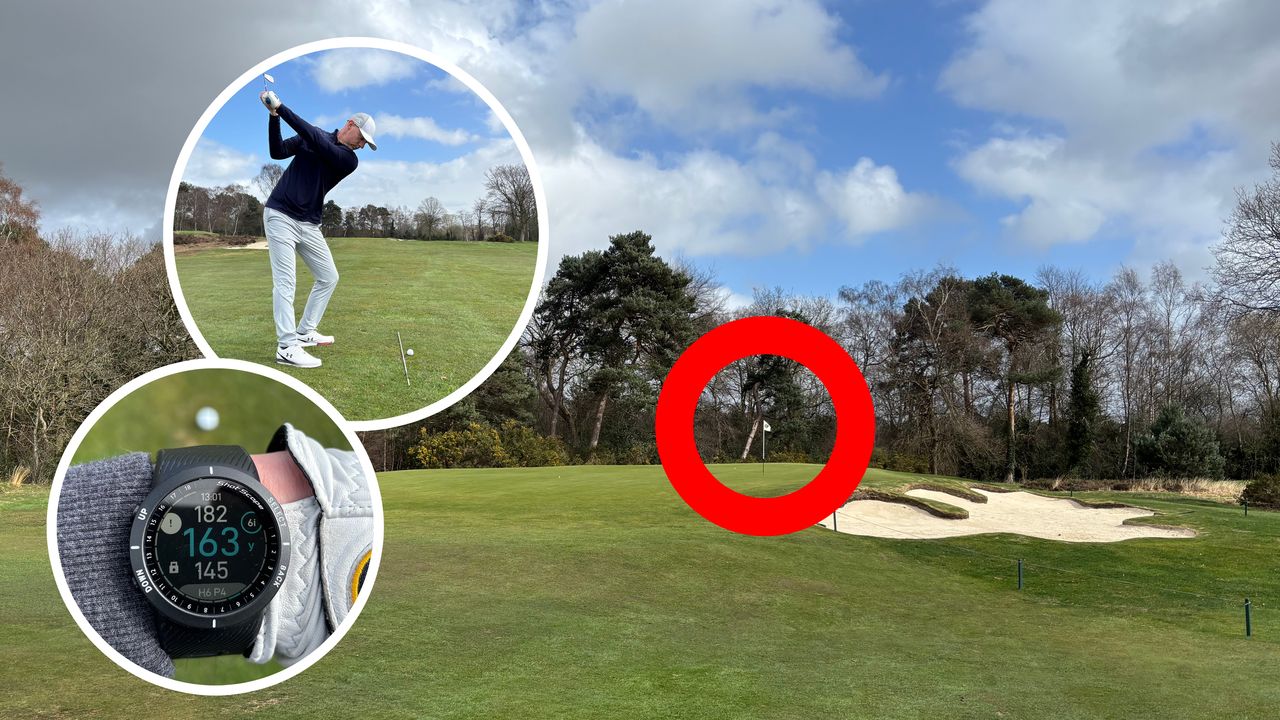
- Understand the course: Knowledge of the course layout, including green slopes and pin positions, can significantly impact decision-making. For instance, when the pin is tucked behind a bunker, it’s often smarter to play away from the danger rather than attacking the flag.
- Practice short game skills: Developing a strong short game can compensate for missed greens. By focusing on solid chipping and putting, players can save strokes when the aggressive play leads to trouble.
- Manage expectations: It’s important for high handicappers to accept that missed opportunities will occur. Playing within one’s limits means avoiding the temptation that leads to costly mistakes.
In their own words
"Taking dead aim at the flag may feel satisfying in the moment, but it can have disastrous consequences. A smarter play is always to aim for safety over aggression."
— Top 50 Coach
What this means for golfers
For high handicappers, diversifying their approach to each hole can lead to scoring improvements and reduced frustration. Practicing a conservative approach may require a mindset shift, but it can be beneficial, especially on competitive rounds. Recreational golfers can learn from this, as mastering course management becomes essential in achieving personal bests. Additionally, when considering equipment, players may want to invest in wedges and putters that enhance their short game, as this could provide crucial advantages when they miss the green.
What's next
As the golfing season progresses, high handicappers should engage in practice sessions that mimic game scenarios focused on shot placement and conservative flag targeting. Upcoming local tournaments or club events offer perfect opportunities for golfers to implement these strategies and test their abilities under pressure. Moreover, players can look forward to tournament lessons from professionals who emphasize smart play, offering valuable insights that can elevate a golfer's game away from the trap of aggressive pin-seeking.