

Introduction
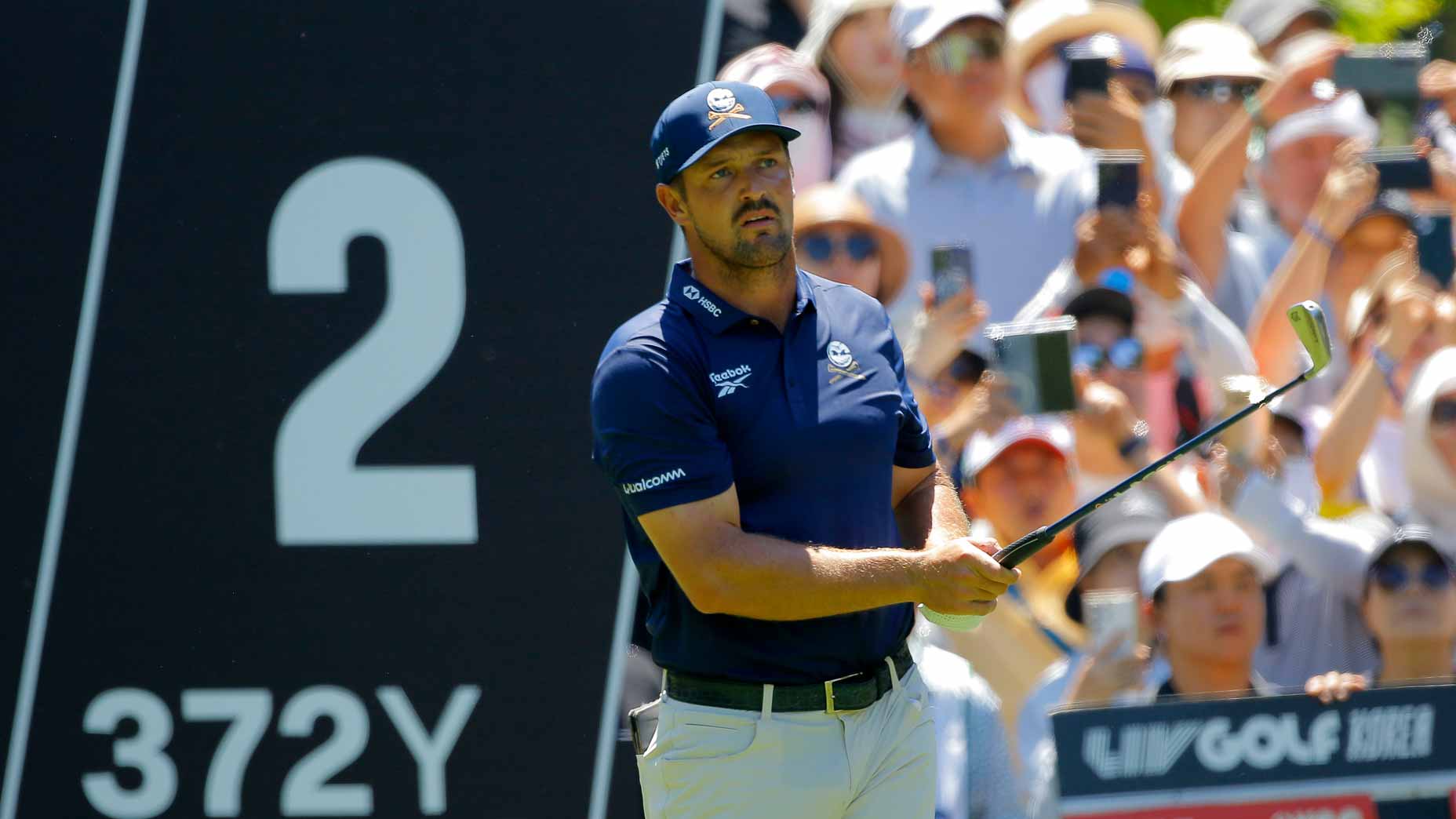
In a groundbreaking move for the world of golf, Bryson DeChambeau has turned to artificial intelligence (AI) as a tool to enhance his game. Following a recent tournament, DeChambeau shared insights on how AI helped him diagnose and correct flaws in his swing mechanics, potentially setting a new standard for player training and performance analysis. With technology increasingly playing a significant role in athletics, this development signifies a remarkable fusion of sport and science.
Key takeaways
- Bryson DeChambeau has incorporated AI technology into his swing analysis.
- The innovative approach successfully identified and corrected mechanical flaws in his swing.
- This technique could revolutionize training methodologies for golfers at all levels.
- AI tools are becoming more prevalent in professional sports, enhancing athlete performance.
- DeChambeau's use of technology may inspire other players to follow suit in their training regimens.
Context and background
Bryson DeChambeau has consistently pushed the envelope in professional golf, utilizing his physics background to infuse data-driven approaches into his training. Known for his analytical perspective, DeChambeau has frequently discussed how he leverages statistics and performance metrics to optimize his performance on the course. This latest development, employing artificial intelligence in swing analysis, marks a new chapter in his journey.
Historically, golfers have relied on traditional coaching methods, video analysis, and personal feedback loops to refine their swings. The incorporation of AI into this process represents a paradigm shift, creating possibilities for more precise and personalized performance feedback. As AI technology matures, it promises to offer insights that were previously inaccessible, pushing the boundaries of the sport.
A new era of golf training
DeChambeau revealed that he utilized AI to delve into the intricate mechanics of his golfing technique, identifying specific areas for improvement. After reviewing data captured during practice sessions and rounds of golf, the AI algorithms could recognize patterns, assess swing mechanics, and present tailored corrective actions. This level of analysis allows for more accurate adjustments than conventional techniques can provide.
For instance, AI can assess the angle of the clubface, the speed of the swing, and the trajectory of the ball with extraordinary precision. By simulating various scenarios, golfers can experience real-time feedback on how minor tweaks in their technique can lead to significant improvements in performance. DeChambeau’s willingness to embrace this cutting-edge technology not only speaks to his commitment to excellence but also highlights a potential trend for the industry.
In their own words
"Using AI has allowed me to understand my swing in ways I never thought possible. The data-driven insights have made a crucial difference in how I approach practice and competition."
— Bryson DeChambeau
What this means for golfers
For recreational golfers and aspiring professionals, DeChambeau's adoption of AI technology serves as a beacon for what the future of golf training might look like. As the accessibility of AI tools continues to grow, players at all skill levels may soon have the opportunity to integrate these advanced methods into their training regimens.
When considering equipment or instructional investments, golfers might want to seek out coaching programs or software that leverage similar technologies. The benefits of these tools could lead to enhanced understanding and improvement of personal gameplay, ultimately contributing to a more rewarding golfing experience.
What's next
Looking ahead, the implications of DeChambeau’s pioneering approach to swing correction may profoundly impact the golfing community. As more players become aware of AI’s benefits, a shift toward integrating technology into training could redefine how golf pros prepare for competition. Additionally, golf manufacturers may begin to explore developing smart equipment that incorporates AI capabilities, further evolving player experiences.
Bryson DeChambeau's innovative use of AI stands as a reminder of the ceaseless evolution within sports. As golfers prepare for upcoming tournaments and strive for peak performance, it will be interesting to see how widely AI is embraced and what effects it has on player outcomes on the green.


/https%3A%2F%2Fcdn.pijper.io%2F2026%2F06%2FKbybhmCTzOLfSI1780318475.jpg)