Intro
In the pursuit of lower scores and better performance, many golfers often overlook a fundamental aspect of their game: tee height. Dr. Alison Curdt, a GOLF Top 100 Teacher, emphasizes that subtle adjustments in tee height can significantly improve both distance and accuracy. Understanding how to optimize your setup with the right tee height could be the key change you need to unlock better golf.
Key takeaways
- Adjusting tee height can lead to greater distance and accuracy.
- Dr. Alison Curdt suggests varying tee heights based on the club used.
- Higher tee heights can help increase launch angle for longer drives.
- Consistent tee height contributes to better swing mechanics.
- Practicing with different heights can help golfers find their optimal setup.
Context and background
Golfers have long debated the impact of tee height on performance, with varying opinions based on experience and style. While many players stick to a 'standard' height, research and expert opinions suggest that a one-size-fits-all approach does not apply when it comes to teeing off. Historical data indicates that professionals often use higher tees, particularly for drivers, to facilitate a higher launch angle, ultimately leading to greater distance. According to statistics from the PGA Tour, many leading players achieve average driving distances upwards of 300 yards, partly thanks to effectively utilizing optimal tee heights.
Unlocking distance and accuracy through tee height
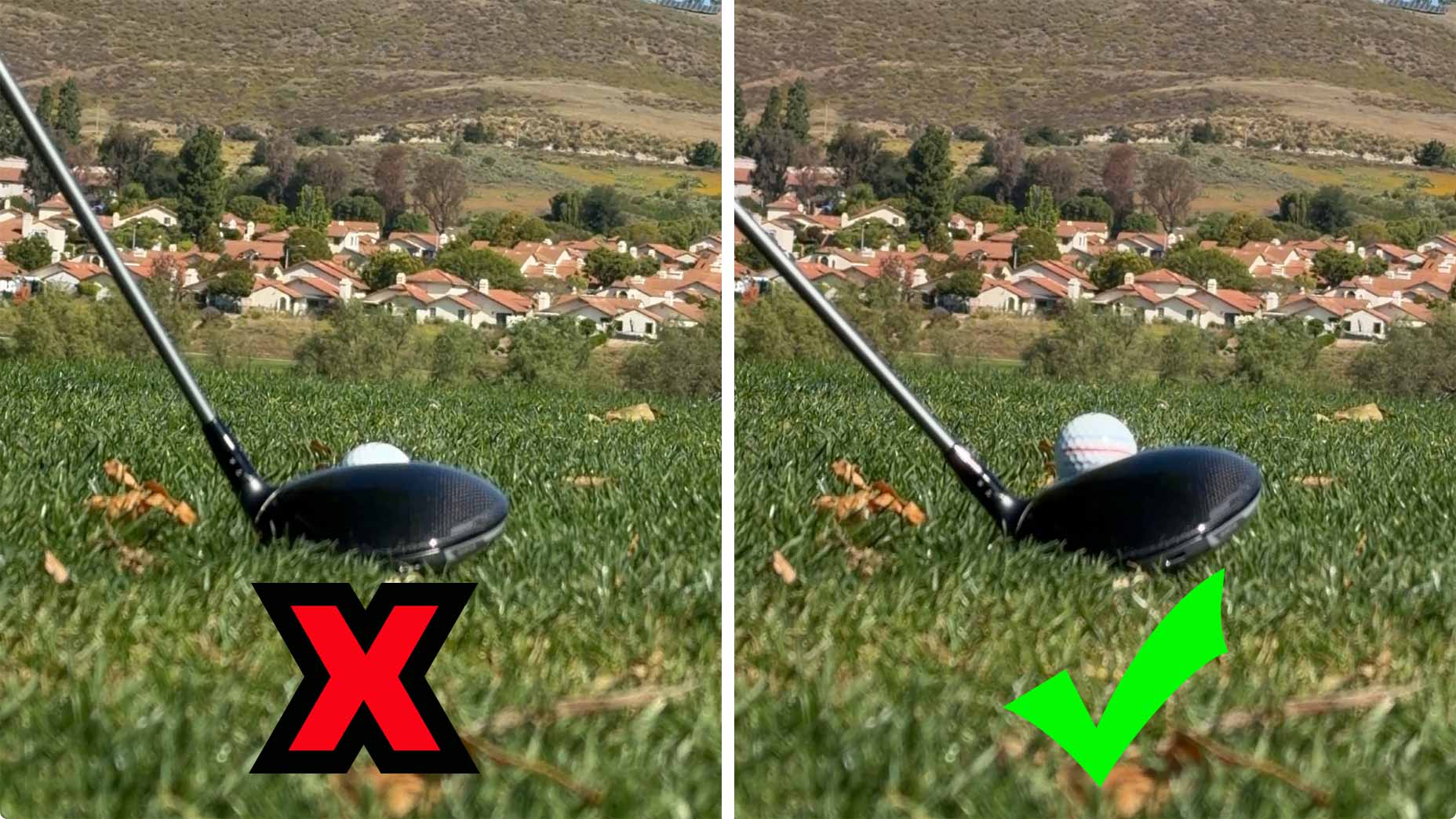
Dr. Alison Curdt's insights shed light on the crucial role of tee height in enhancing both distance and accuracy. For golfers using a driver, Curdt recommends that the ball should be positioned so that half of it sits above the top edge of the clubface when the club is resting on the ground. This helps produce a more upward strike on the ball, leading to an increased launch angle and reduced spin, which are critical factors for gaining distance off the tee.
Moreover, golfers should consider the varying tee heights for different clubs. For instance, when using a 3-wood or hybrid, a slightly lower tee height can lead to a better strike, allowing for more control and consistency. The idea is to promote solid contact with the sweet spot of the club, thus maximizing the distance and accuracy of each shot.
Consistency is another key factor when it comes to achieving better results. Golf is often about rhythm and repetition, and maintaining a consistent tee height can yield better results on the course. Players who experiment with different heights during practice sessions are more likely to discover the optimal configuration that suits their swing mechanics, thus enhancing overall performance.
In their own words
“Changing your tee height requires understanding your own swing dynamics. It's not just about hitting the ball harder, but hitting it smart.”
— Dr. Alison Curdt
“Finding the right tee height was a game-changer for me. It made a significant difference in my launch angle and distance.”
— Amateur Golfer
What this means for golfers
For recreational golfers, the implications are clear: a tiny adjustment can lead to substantial gains in performance. Understanding how to modify tee heights based on the club being used can encourage players to engage more thoughtfully with their setup. Golfers are encouraged to experiment with tee heights during practice rounds, focusing on how varying heights affect their distance and accuracy, especially with drivers. When purchasing tees, players might also consider adjustable options that allow for experimentation with different heights.
What’s next
As the golf season continues, players should not overlook the role that tee height might play in their upcoming rounds. Participation in amateur tournaments and casual games offers the perfect opportunity to test out these adjustments. For aspiring golfers aiming to improve their game, considering swing analysis sessions or professional lessons to further delve into the intricacies of tee height and overall setups might be beneficial. As the 2024 golf season approaches, integrating a more educated approach toward tee placement could make a significant difference in lowering scores and enhancing overall enjoyment of the game.