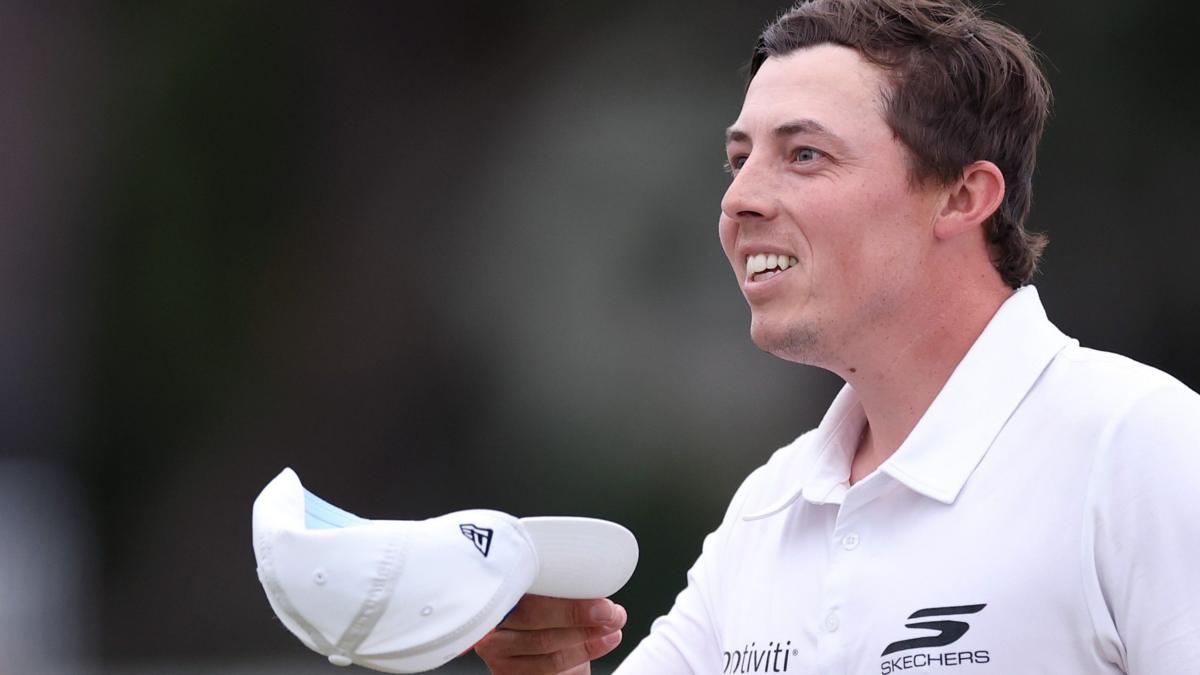
As the landscape of professional golf continues to evolve, recent events have cast a spotlight on the financial dynamics at play. Matt Fitzpatrick, the reigning U.S. Open champion, is taking center stage on the PGA Tour at a time when the future of LIV Golf’s funding remains uncertain. With whispers that the expansive cash flow from LIV Golf may soon dry up, Fitzpatrick's impressive performances not only command attention on the course but also amplify the dialogue surrounding the sport's ongoing changes.
Key takeaways
- Reports suggest that LIV Golf might be facing a financial downturn, potentially affecting player contracts and future tournaments.
- Matt Fitzpatrick has recently showcased his skills, asserting his dominance on the PGA Tour, particularly at pivotal events.
- The tension between traditional golf tours and LIV Golf continues to heat up, raising questions about the future of the sport.
- Players are increasingly vocal about their preferences as they navigate the duality of competing tours.
- Fitzpatrick's performance raises questions about how the ongoing shift in funding will impact competitive integrity and player allegiances.
Context and background
To understand the implications of recent developments in golf, it is essential to revisit the rise of LIV Golf, founded in 2021 with significant financial backing aimed at restructuring the professional golf ecosystem. The initiative drew scrutiny as players were courted with lucrative contracts, some surpassing $100 million, to entice them away from the established PGA Tour. The launch was met with mixed reactions, as prominent golfers debated the ethics of accepting such offers from a source tied to controversial regimes.
As of mid-2023, the LIV Golf circuit was gaining traction but faced mounting criticism regarding its long-term sustainability. The recent buzz about potential cuts to funding raises serious questions not only about the future of LIV tournaments but also about the players' financial security and what their next moves may entail. Fitzpatrick's strong showing on the PGA Tour can be interpreted as a direct response to these uncertainties. With a burgeoning career and solid performances that enhance his profile, he exemplifies the kind of player who resonates with traditional golf fans and sponsors alike.
Fitzpatrick’s rise amidst financial turmoil
In recent weeks, Fitzpatrick has emerged as a key figure in the dialogue surrounding professional golf, propelled by a mixture of talent and resolve. After winning the U.S. Open in 2022, the Englishman has been on a mission to solidify his status as one of the top players in the game. His performances in major tournaments have not only captivated audiences but also put pressure on rival tours.
LIV Golf’s financial concerns come at an inconvenient time, as players must consider their standings, endorsements, and future opportunities. Matt Fitzpatrick, with his notable victories and compelling game, represents a consistent threat on the PGA Tour, attracting attention not only for his skills but also for the implications his success holds for players considering a switch to LIV. Consider Fitzpatrick's top performances; by clinching the 2023 RBC Heritage title and consistently placing well in major events, he has underscored his potential as a permanent fixture in the conversation surrounding player success and financial earning in golf.
Moreover, the contrasts between Fitzpatrick and some defectors to LIV Golf provide a juxtaposition of commitment to sport versus financial gain. In winning while expressing loyalty to the traditional tour set up, Fitzpatrick embodies the passion and dedication many within the sport believe should be prioritized.
In their own words
"I take pride in being part of the PGA Tour and representing its traditions. The competition is stiff here, and that motivates me to elevate my game every time I step onto the course."
— Matt Fitzpatrick
"We are seeing an evolution in how the sport is financed; players must decide whether to prioritize tradition or financial incentives. It’s a watershed moment for golf."
— Iain Carter, Golf Analyst
What this means for golfers
The ongoing discourse surrounding LIV Golf and the PGA Tour serves as a case study for recreational golfers and aspiring professionals alike. For many, the choice between the two paths draws a stark line between immediate financial rewards and a lifetime commitment to the sport. Fitzpatrick's ascent underscores the importance of patience, skill development, and respect for the game's traditions.
As more players weigh their options, many recreational golfers could benefit from understanding that long-term success often relies on dedication to improvement and engagement with the golf community rather than solely chasing lucrative offers. Brands and equipment companies are likely to take notice of players like Fitzpatrick who uphold the sport's values, potentially impacting endorsements and sponsorship deals for amateur players as well.
What's next
Looking ahead, the implications of the reported financial adjustments for LIV Golf will have far-reaching consequences for players and fans. The landscape of golf is shifting, and upcoming tournaments will reflect the evolving preferences of the golfing populace. Will more players side with tradition as they embrace the challenges of the PGA Tour, or will financial incentives from LIV prove too compelling for the next generation? These are questions that promise to shape the golfing world in the weeks and months ahead.
As the 2024 PGA Tour season looms, expect to see further engagement from Fitzpatrick, other loyal competitors, and the various factions split between the two tours. How this impacts the directives of tour organizers and the nature of competitive golf will be fascinating to observe. In a sport where money and talent often collide, one thing is clear: the dialogue surrounding money is not merely about compensation; it's about the future of golf itself.
/https%3A%2F%2Fcdn.pijper.io%2F2026%2F05%2FLknQwawTC3awV91778077203.jpg)