

The stinger shot, popularized by players like Gary Woodland, is more than just a low trajectory; it’s an essential weapon in the arsenal of any golfer looking to conquer difficult conditions. In a recent instructional breakdown, Woodland shared two key moves that can help players of all skill levels master this iconic shot. As golf fans watch his precision, now is the perfect moment to unpack the intricacies of this technique.
Key takeaways
- Gary Woodland's signature stinger shot offers a lower trajectory for windy conditions.
- The technique can be broken down into two simple moves for better execution.
- This shot can significantly improve distance control off the tee.
- Applicable for golfers at every skill level, from amateur to pro.
- Understanding the stinger opens opportunities for strategic shot-making on the course.
Context and background
Gary Woodland, an accomplished PGA Tour player, established his reputation not just for his power but also for his ability to navigate challenging courses with finesse. His signature stinger shot has become a popular technique among golfers who face windy conditions or need to keep the ball low due to obstacles. Historically, this low, penetrating shot was often associated with golf legends like Jack Nicklaus and Tiger Woods, known for their precision and shot-making under pressure.
To understand the significance of the stinger, it’s crucial to consider the statistics around shot accuracy and distance. Golfers who can hit a stinger not only manage better distance control but also decrease the risk of getting caught by wind effects. The stinger typically flies lower than regular shots, which reduces drag, makes it less prone to wind interference, and drives through challenging conditions more effectively.
Mastering the stinger: Gary Woodland's two keys
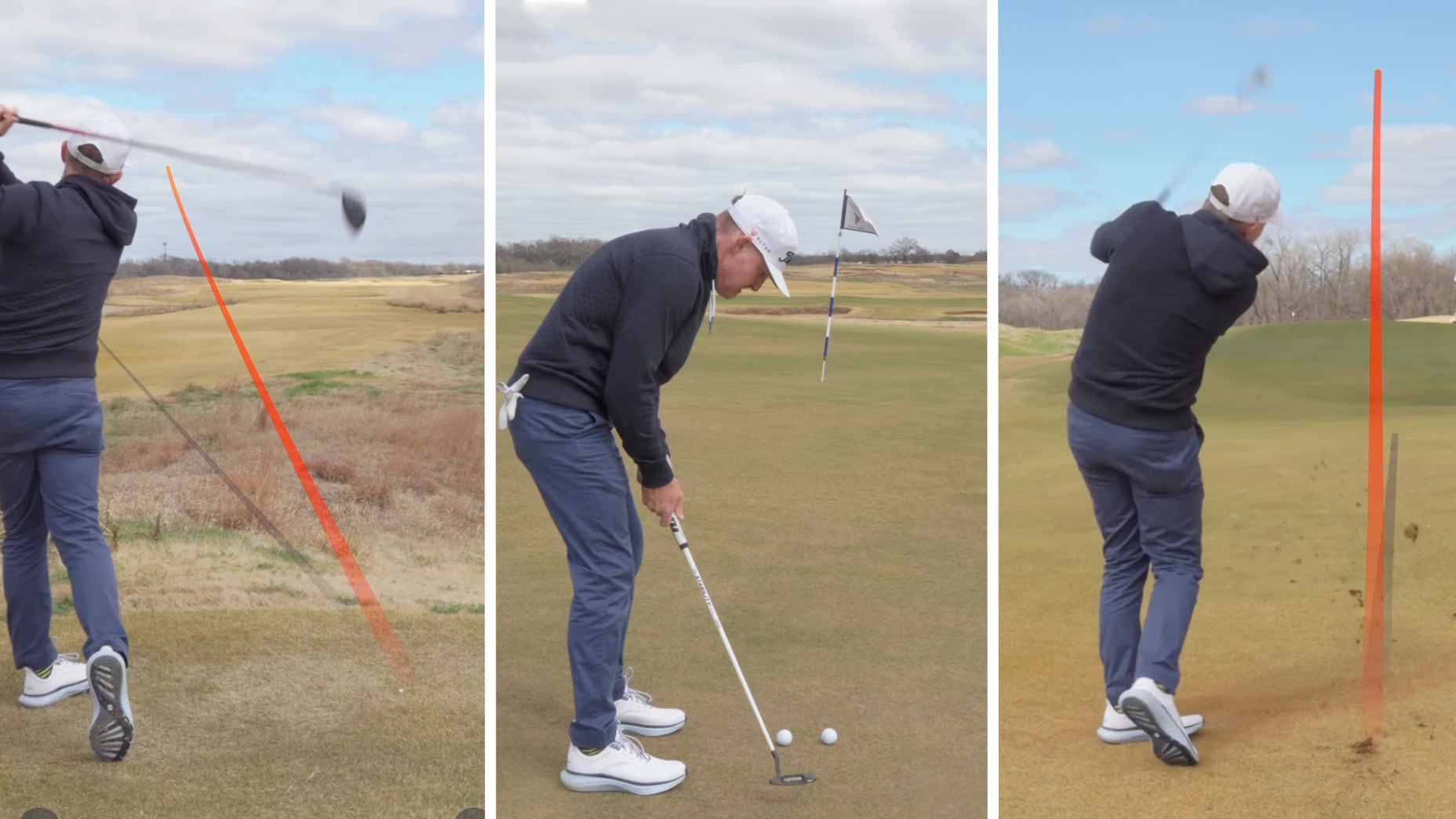
Woodland emphasizes that mastering the stinger comes down to two core movements. First, golfers must focus on utilizing a modified grip and stance. This adjustment can help create the necessary angle for a lower trajectory. Secondly, executing a controlled downswing, shifting weight correctly from back to front, is essential for engaging the lower part of the swing effectively.
The grip and stance adjustment means placing the hands slightly lower on the club, which encourages a more controlled swing. While most players might aim for an upward, sweeping motion, the stinger demands a more compact swing that reduces loft. This technique mirrors that of a punch shot, where control exceeds raw power.
During the downswing, deciding how to transfer weight is pivotal. Players must ensure that they shift their weight forward efficiently while keeping their upper body steady. This action prevents overextending through the shot, allowing for solid contact with the ball. According to Woodland, the key is to focus on hitting down through the ball more than hitting up.
Woodland's approach transforms the stinger from a complicated maneuver into a straightforward shot that any golfer can learn with practice. By breaking the shot into manageable parts, players can gain confidence as they adapt their technique.
In their own words
"The stinger is a great shot to have in your toolkit. It provides a low, penetrating flight that can cut through the wind, making it essential for tough conditions."
— Gary Woodland
"Focusing on how you grip the club and manage your weight transfer can really make the difference in hitting a stinger effectively."
— Golf Coach
What this means for golfers
For recreational golfers, incorporating Woodland's two keys into practice can dramatically improve not only shot-making ability but also strategic execution on the course. Understanding how to hit a stinger can enhance a player's game by providing a reliable shot that helps in specific situations, such as when tackling windy days or navigating under low-hanging branches. Taking the time to master this technique could very well lower scores and increase confidence.
When considering equipment, golfers might also want to experiment with different club selections to understand how loft impacts performance of the stinger shot. For instance, while using drivers or lower-lofted clubs, understanding club characteristics can greatly influence how the ball behaves post-impact.
What's next
Looking ahead, golfers should be keen to incorporate the stinger shot into their game as they prepare for upcoming tournaments, especially those that will test their skills in challenging weather conditions. Being able to execute a low, controlled shot like the stinger can set players apart during competitive rounds. Additionally, regional golf clinics featuring Gary Woodland or other seasoned professionals can provide hands-on experience and tips for players wishing to refine their technique further. As always, practice makes perfect, and with targeted efforts, even the average golfer can master the art of the stinger.