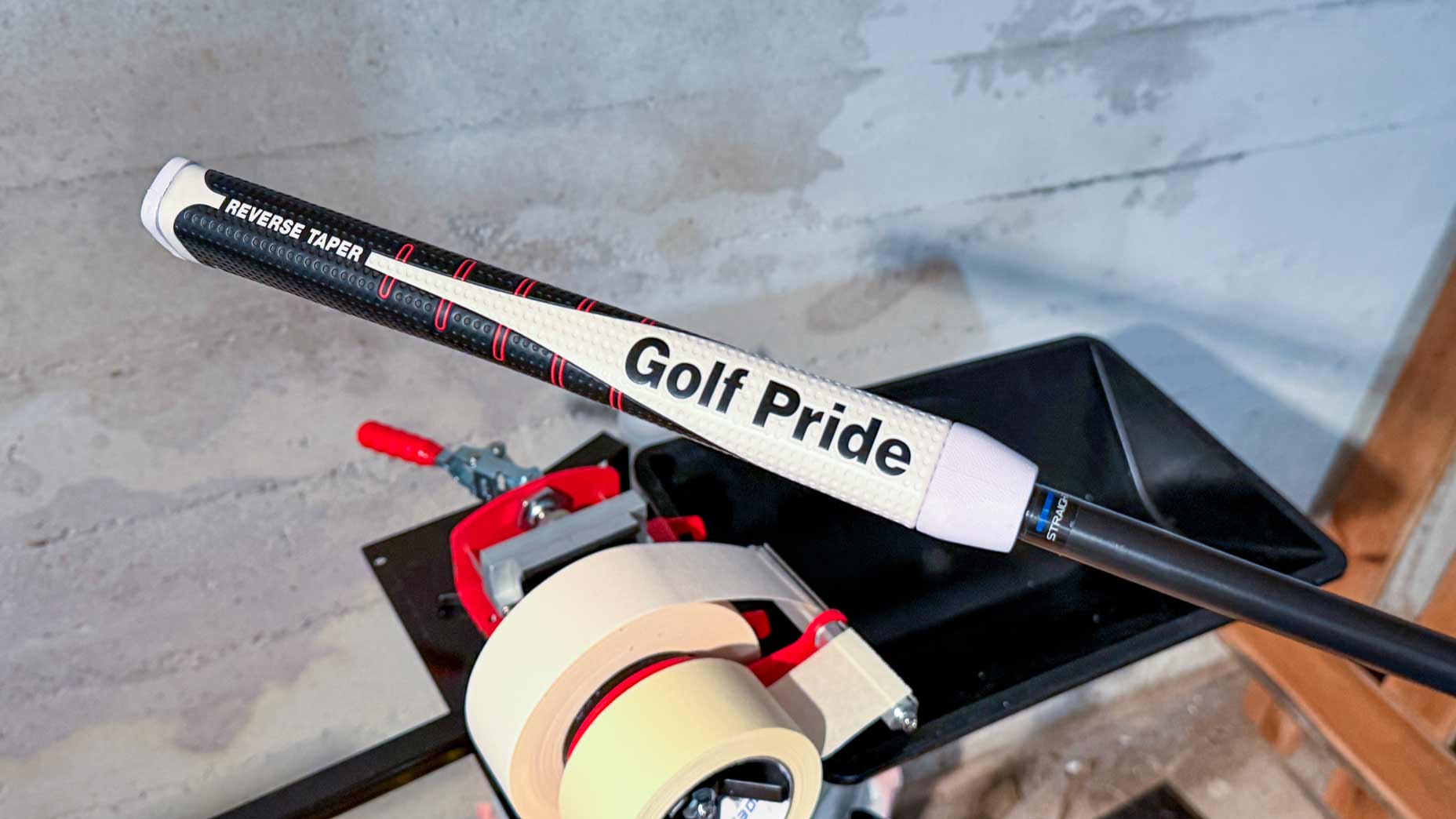
Intro paragraph
Re-gripping your golf clubs at home not only enhances your game but can also be a rewarding and fun project. With the right tools and techniques, you can give your clubs a fresh feel while ensuring they fit your unique playing style perfectly. This guide will walk you through the entire process, making it easier than ever to revive your clubs and boost your performance on the course.
Key takeaways
- Re-gripping is essential for maintaining grip performance and comfort.
- It's a simple process that requires minimal tools and materials.
- Regularly changing grips can enhance shot accuracy and feel.
- Personalization options allow for choosing grips that suit your style.
- Learning to re-grip can save you money and become a rewarding hobby.
Context and background
Golf grips are a crucial aspect of club performance that can dramatically impact your play. Over time, grips wear out due to sweat, dirt, and the natural oils from your hands, affecting your control over the club. Regular re-gripping is recommended—typically every season or when grips feel slippery. According to the PGA, more than 60% of golfers use grips that are not suited to their hand size, leading to less comfortable swings and decreased performance.
The grip being the only contact point between the player and the club, it becomes imperative that it feels comfortable and secure to ensure proper shots. Whether you’re a novice or an avid golfer, next to custom fitting, re-gripping can significantly affect your ability to perform on the course. Thus, taking this step as a DIY project can also foster a deeper connection to your clubs.
Step-by-step guide to re-gripping your golf clubs
Re-gripping your golf clubs at home can be accomplished with relative ease. Here’s a detailed breakdown of the process:
Materials needed
- New grips
- Grip tape
- Solvent (like mineral spirits or grip tape solvent)
- Utility knife
- Vice or clamp (optional)
- Old towel or work surface
Step 1: Remove old grips
Using a utility knife, carefully slice down the length of the old grip. Make sure to avoid cutting into the shaft of the club. Once the grip is sliced, you can peel it away and remove the old grip tape underneath.
Step 2: Clean the shaft
After the old grip has been removed, clean the shaft with rubbing alcohol to remove any residue from the old grip tape. This ensures proper adhesion for the new grip.
Step 3: Apply new grip tape
Start at the bottom of the shaft and wrap the grip tape up to the desired point of the new grip. Make sure to overlap slightly for better adhesion. If you are using double-sided tape, peel away the backing as you go.
Step 4: Apply solvent
Generously apply the solvent on the grip tape and inside the new grip. This allows the grip to slide into place easily. Be careful, as solvents can also be slippery.
Step 5: Attach the new grip
Quickly slide the new grip onto the shaft, ensuring it is aligned properly (the logo usually faces the clubhead). Rotate the grip as necessary to ensure it slides in place without sticking.
Step 6: Let it cure
Allow the grip to sit for at least 24 hours to ensure it fully adheres before using the club. This is a crucial step for achieving optimal performance.
In their own words
"Re-gripping kept my shots consistent; it’s like night and day. The feel of a new grip can literally change your game."
— Sam Thompson, amateur golfer
"I love the DIY aspect—taking care of my clubs not only saves money, but also makes me feel more connected to my equipment."
— Jenna Lee, golf coach
What this means for golfers
For recreational golfers, the practice of re-gripping clubs is often underestimated. A fresh grip directly correlates with improved swing mechanics, shot accuracy, and overall confidence on the course. By understanding how to do this at home, golfers not only save money but also gain insight into the nuances of their equipment. If you’re considering new grips, think about testing a few options to find the best fit for both your hands and swing style.
Additionally, different grips provide different textures and sizes – from oversized grips for those who struggle with grip pressure to tacky textures that enhance control in wet conditions. Exploring these options can help golfers add personal flair to their clubs while enhancing performance.
What's next
As golf season approaches, many golfers will consider their equipment options. With spring tournaments just around the corner, now is the ideal time to inspect and re-grip clubs to ensure optimal performance on the course. It's recommended that golfers also keep an eye on upcoming technology in club fittings and grips, as innovations are constantly being introduced.
In conclusion, re-gripping your golf clubs presents a great opportunity to enhance your game and dive deeper into the world of golf. Whether you choose to do it yourself or consult with a professional, making the effort can yield significant returns in both comfort and capability during your next round.