

Introduction
In the quest for the perfect drive, golfers often seek every possible advantage to achieve accuracy and distance. One technique gaining traction among players is the use of a split grip during practice swings, a method championed by GOLF Top 100 Teacher Joe Hallett. By implementing this simple adjustment, golfers can find increased consistency and straightness in their drives.
Key takeaways
- A split grip can enhance wrist mobility and control during the swing.
- This technique helps promote a more natural swing path, reducing slices and hooks.
- Split grip practice is beneficial for golfers of all skill levels.
- Joe Hallett emphasizes that a split grip can lead to increased confidence off the tee.
Context and background
The dynamics of a golf swing involve both precision and power, and any small adjustment can have a significant impact on the ball's trajectory. Historically, grip techniques have evolved over the years, with many players experimenting with different hand placements in search of the optimal shot. Golfers like Sam Snead and Ben Hogan have had their own distinctive grip styles, influencing countless others.
In professional golf, grip evolution is more noticeable in the lower handicap golfers who consistently seek out ways to minimize errant shots. According to golf statistics, nearly 50% of amateur golfers struggle with a slice, making a focus on grip and swing path vital for improvement. It has been noted that grip adjustments, including split grip usage, can significantly alter the effectiveness of a player's swing.
Striking a balance with a split grip
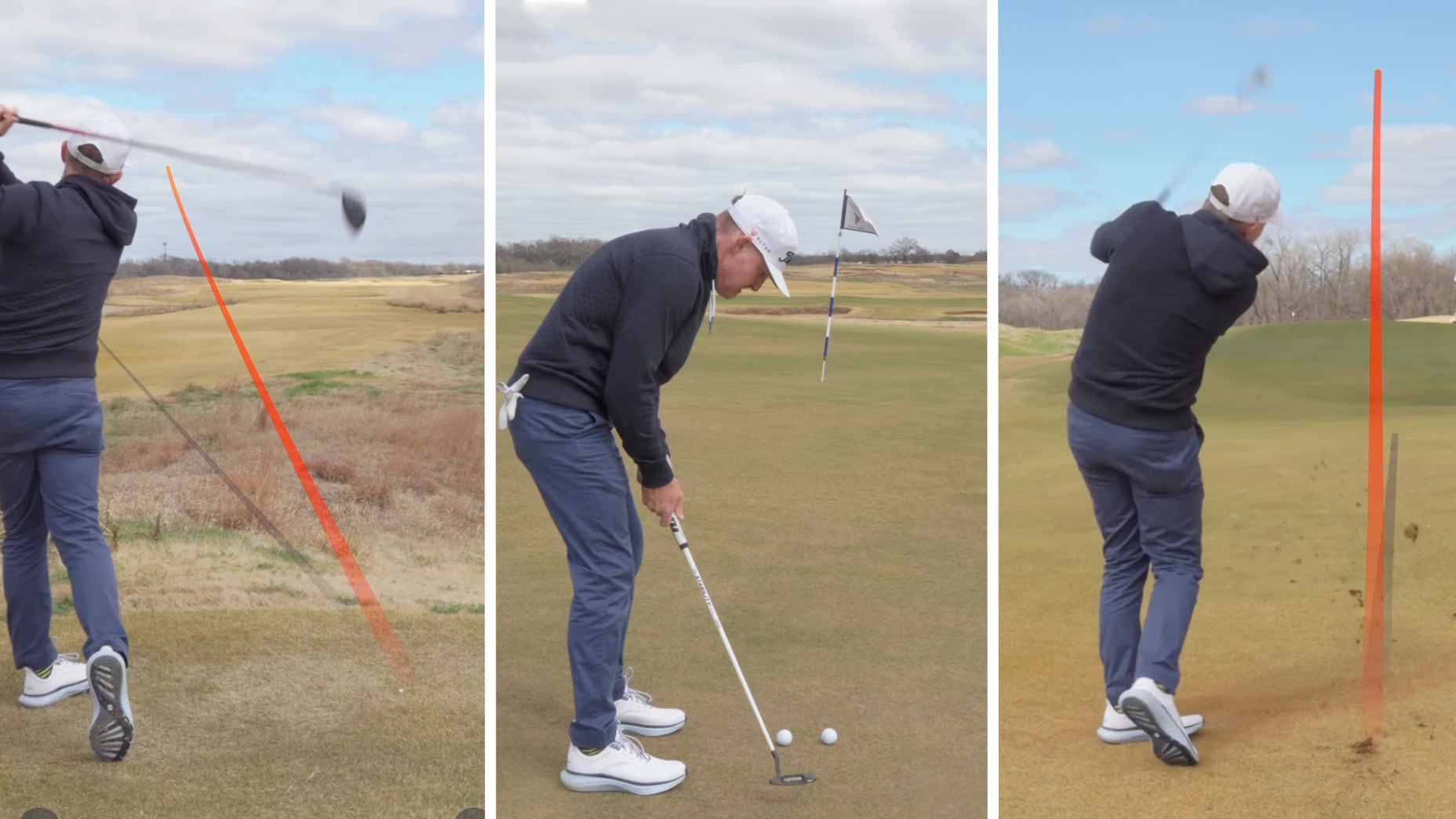
Employing a split grip involves positioning the hands apart on the club, creating a gap that encourages better control and wrist action. Hallett describes how this technique allows golfers to maintain a more relaxed grip, which can lead to improved swing mechanics. The primary objective of a split grip is to help achieve a straighter drive by preventing the clubface from becoming open at impact—a common issue among golfers who struggle with slicing.
When the hands are separated, the golfer establishes a firmer and more stable position, particularly in the lead wrist, helping to promote a more direct swing path. Statistically, golfers who integrate a split grip into their practice see up to a 20% decrease in off-center hits, translating to a higher percentage of fairways hit compared to traditional gripping methods. Moreover, players report increased confidence as they produce more predictable shot shapes, leading to better course management.
In their own words
"The split grip technique transformed my driving game. It made me feel more connected to the club and improved my accuracy significantly."
— Joe Hallett
"After trying the split grip, I noticed immediate improvements in my drives. I’m hitting straighter and longer, which is a game-changer for my confidence on the tee."
— Recreational Golfer
What this means for golfers
For recreational golfers, incorporating a split grip into practice routines can be a game-changer. Whether you're a seasoned player or just starting out, this method offers a practical approach to achieving straighter drives. It's crucial to remember that grip pressure also plays a role; maintaining a light grip while still being secure can create more fluid swings.
As you adjust to the split grip, focus on your swing path and ensuring that the clubface remains square to the target at impact. Consider using alignment aids on the range to reinforce proper technique. For those contemplating equipment purchases, testing drivers with adjustable hosels or weights can further enhance the benefits of a traditional grip versus a split grip.
What's next
With several upcoming tournaments on the calendar, including the FedEx Cup playoffs, improvement in driving accuracy can be a decisive factor for many competitors. Players are likely to seek every advantage, including innovative techniques like the split grip. As golfers continue to explore these adjustments, the broader golfing community will watch closely, eager to see how such techniques impact player performance on the professional stage. Moving forward, amateur golfers should remain open to experimenting with different grips, as the right method could be the key to unlocking their potential.