
Intro paragraph
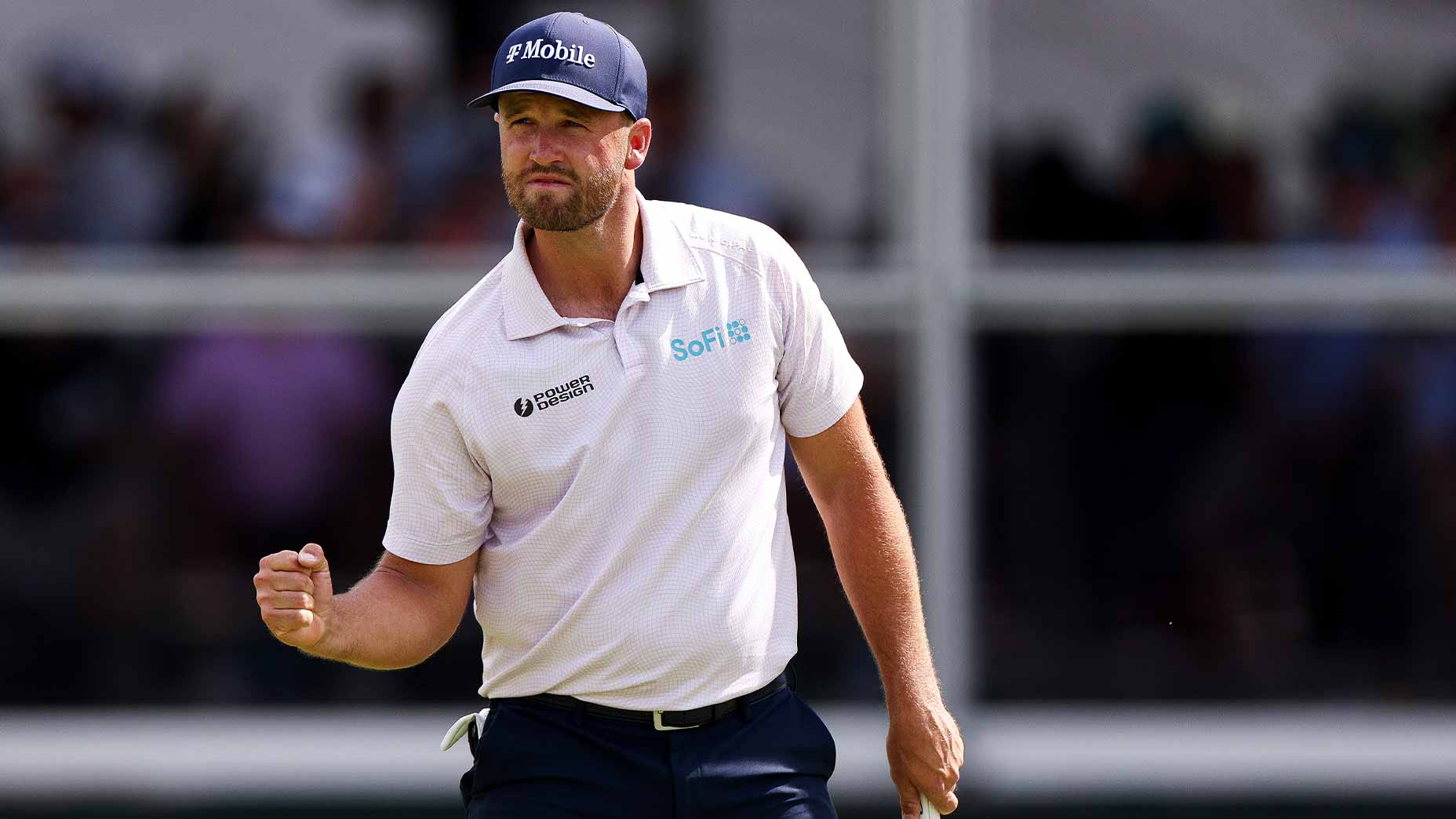
In the often tumultuous world of competitive golf, maintaining composure can be the difference between victory and defeat. Wyndham Clark's recent successes have drawn significant attention to his mental game, particularly his collaboration with sports psychologist Julie Elion. Their work together sheds light on the strategies that enable Clark to navigate high-stress situations with finesse.
Key takeaways
- Wyndham Clark has greatly benefited from the mental-game coaching of Julie Elion.
- Elion’s techniques focus on mindfulness and maintaining calmness under pressure.
- Wyndham's improved mental resilience has contributed to his rising status on the PGA Tour.
- Understanding the mental aspect of golf can enhance performance for players at all levels.
Context and background
Mental toughness has always been a vital component of competitive sports, and golf is no exception. Over the years, players like Tiger Woods, Phil Mickelson, and Rory McIlroy have all credited their mental coaches for significant turning points in their careers. Clark, who turned professional in 2017, has recently emerged as a serious contender, capitalizing on this mental dimension. In 2023, he claimed victory at the US Open, a showdown that highlighted not only his physical talent but also his mental acuity. This strategic focus on the mental game is an evolution influenced by the many examples set by previous champions.
Harnessing the power of the mind
During a recent episode of Subpar, Julie Elion, Clarke's mental game coach, shared some of her insights and techniques that have helped him develop this crucial aspect of his performance. One of the notable techniques includes mindfulness, which encourages players to stay present during play, minimizing distractions. This focus is essential, especially in high-stakes situations where the pressure can lead to hasty decisions and increased anxiety.
Elion emphasizes the importance of cultivating a positive mental environment. For Clark, affirmations and visualizations have become integral parts of his routine. By visualizing successful shots and positive outcomes, he prepares his mind for the challenges ahead. Clark's regular practice of breathing exercises also plays a crucial role in reducing anxiety levels, enabling him to maintain a calm demeanor during competitive play.
Statistically, Clark has shown dramatic improvements since he began work with Elion. In the 2023 season, his scoring average dipped to around 69.5, a significant improvement from past seasons, with a notable 14 top-25 finishes. His ability to close out rounds is markedly improved, with an impressive propensity to handle pressure on the back nine.
In their own words
"Mental game is such a big part of what we do. Having Julie by my side ensures that I'm always grounded and prepared to tackle whatever comes my way on the course."
— Wyndham Clark
"Wyndham has the raw talent, but enhancing his mental resilience was where the transformation really began. It's about embracing the chaos instead of letting it overwhelm you."
— Julie Elion
What this means for golfers
The importance of tapping into the mental side of golf cannot be understated, especially for recreational golfers looking to improve their game. The strategies employed by Clark are applicable to all levels of play. Simple mental routines like visualization and breathing exercises can help amateur players handle pressure more effectively, whether they're playing for fun or in serious competition.
As many pro golfers have shown, the journey to improvement often goes beyond physical skills. Mental training can augment one's capacity to perform under pressure, which can be achieved through personalized coaching or self-guided practice. Players may consider incorporating short meditation sessions or mental imagery exercises into their practice routines.
What's next
With the Masters just around the corner, all eyes will be on players like Wyndham Clark, who are steadily improving their mental game along with their physical skill sets. Upcoming tournaments will provide a litmus test for the techniques Clark and Elion have implemented together. Fans and fellow competitors alike will be eager to see if he can maintain this newfound composure in high-pressure situations.
Moreover, athletes, coaches, and sports psychologists alike will likely continue to analyze the impact of mental conditioning strategies in golf. Clark's journey is a compelling reminder that success doesn't solely rely on technical proficiency; cultivating the right mindset can elevate performance to new heights.

/https%3A%2F%2Fcdn.pijper.io%2F2026%2F06%2FRkUgIHk3UBT3tw1781080975.jpg)