Intro paragraph
The opening round of the Chevron Championship proved to be a mixed bag for the English competitors, with Charley Hull struggling to find her rhythm while teammate Mimi Rhodes showcased her talent by staying in contention near the top of the leaderboard. As the prestigious tournament unfolds, the performances of both players shed light on the ebbs and flows of competitive golf at the highest level.
Key takeaways
- Charley Hull had a sluggish start, leaving her off the pace on day one.
- Mimi Rhodes finished the first round just two shots behind the early clubhouse leader.
- The Chevron Championship is a pivotal moment on the LPGA Tour, attracting top talent from around the world.
- Current trends indicate tight competition as players vie for a coveted major championship title.
Context and background
The Chevron Championship, known for its rich history and high stakes, has established itself as one of the premier events on the LPGA Tour. Originating in 1972, this tournament has undergone significant transformations, including name changes and venue shifts, with its location now firmly at the stunning Mission Hills Country Club in California. The event has carved its place in the annals of women's golf, particularly recognized for its strong field of competitors and significant prize purse, which often exceeds over $3 million.
Historically, this tournament has seen greats like Annika Sörenstam and Karrie Webb take home the coveted title, with players looking to add their names to this illustrious list. With each passing year, the appeal of the Chevron Championship continues to grow, resulting in intense competition proven by the talented lineup present in 2023.
Day one dynamics: Hull struggles, Rhodes thrives
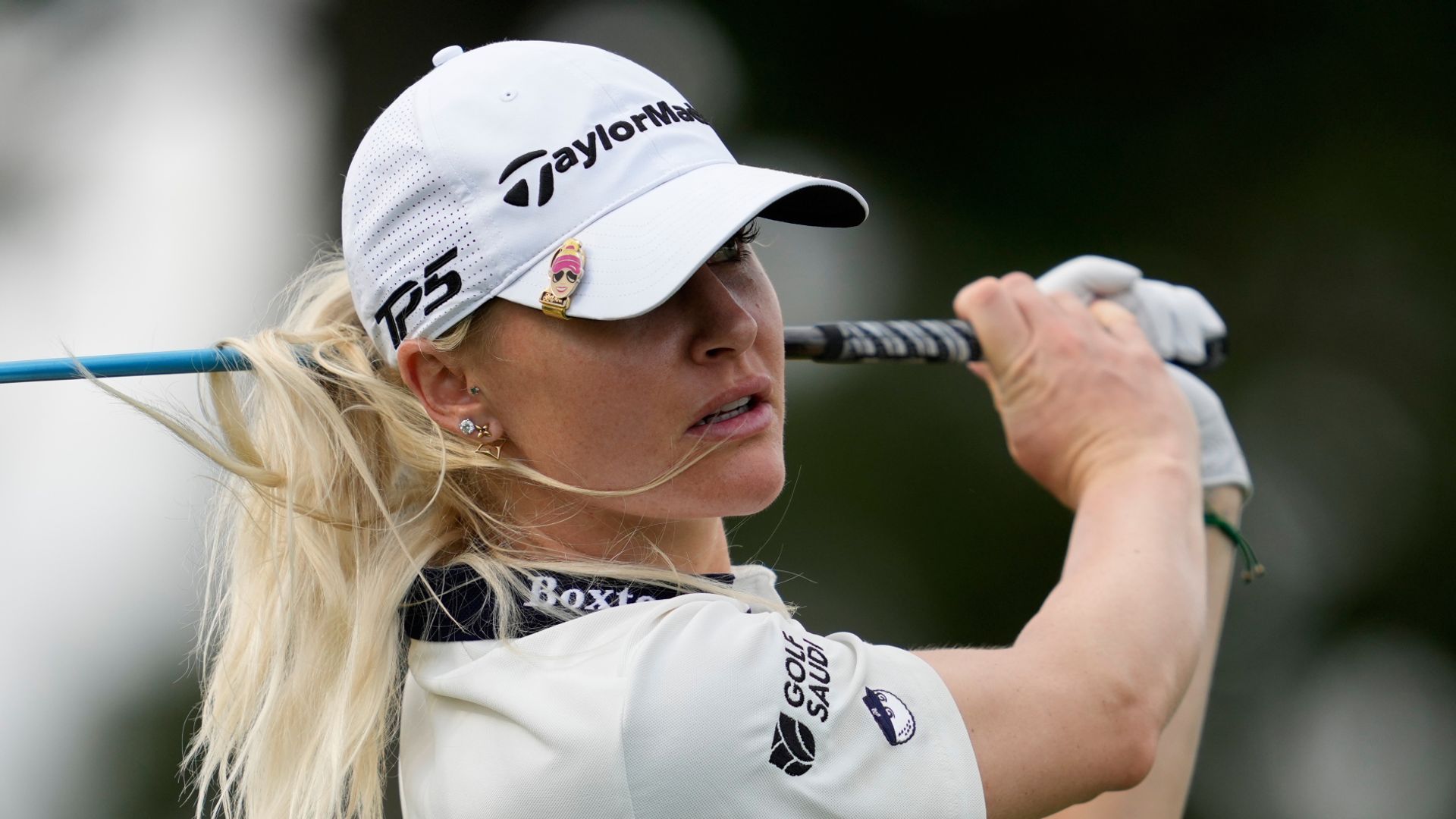
As the first round unfolded, Charley Hull faced considerable challenges that hindered her performance. Starting strong is often imperative in tournaments of this caliber, and Hull's inability to find her groove early on left her fighting an uphill battle. While specifics of her scores and gameplay tactics remain under scrutiny, it’s vital to note that even elite players can encounter unpredictable downturns, reflecting the mental and physical strains of professional golf.
On the flip side, Mimi Rhodes capitalized on the opportunity at hand. Coming off a strong performance in previous tournaments, Rhodes demonstrated her capability to handle pressure as she positioned herself just two shots behind the early clubhouse leader. Her ability to stay competitive highlights not only her skill but also the importance of mental resilience in pursuing success during high-stakes events.
As the round progressed, the course conditions varied, with wind contributing an additional layer of complexity for the golfers. Traction, greens, and the overall layout of the Mission Hills Country Club presented challenges that would test even the most seasoned players. In this context, both Hull and Rhodes' performances are reflective of the ongoing narrative of adaptation and strategy unique to each round of the championship.
In their own words
"It's frustrating to have a slow start, but I know I have the tools to turn it around as the tournament progresses."
— Charley Hull
"I'm really pleased with how I handled myself out there today and hope to build on that in the coming rounds."
— Mimi Rhodes
What this means for golfers
The lessons learned from Hull's and Rhodes' experiences can resonate with recreational golfers as they navigate their own rounds. For Hull, the key takeaway is the importance of staying mentally tough even when things don’t go as planned; every stroke must be met with the resolve of improvement rather than despair. Similarly, Rhodes’ journey emphasizes that persistence and focus can yield positive outcomes, and good performances can depend significantly on mindset and preparation.
For amateur golfers looking to improve, applying mental strategies such as visualization and pre-shot routines can help build confidence and steady the nerves—crucial elements highlighted by both of these players' performances.
What's next
As the Chevron Championship progresses, all eyes will be on how both Hull and Rhodes handle the evolving pressures of the tournament. With a promising field remaining, the competition is expected to tighten further, and both golfers will need to strategize effectively to remain in contention. Upcoming rounds present opportunities for Hull to bounce back and capitalize on her previous experience, while Rhodes will aim to improve upon her strong start and potentially secure a breakthrough performance. Fans and analysts alike will be keenly observing how the dynamics unfold, especially with the championship nearing its climax.