Intro
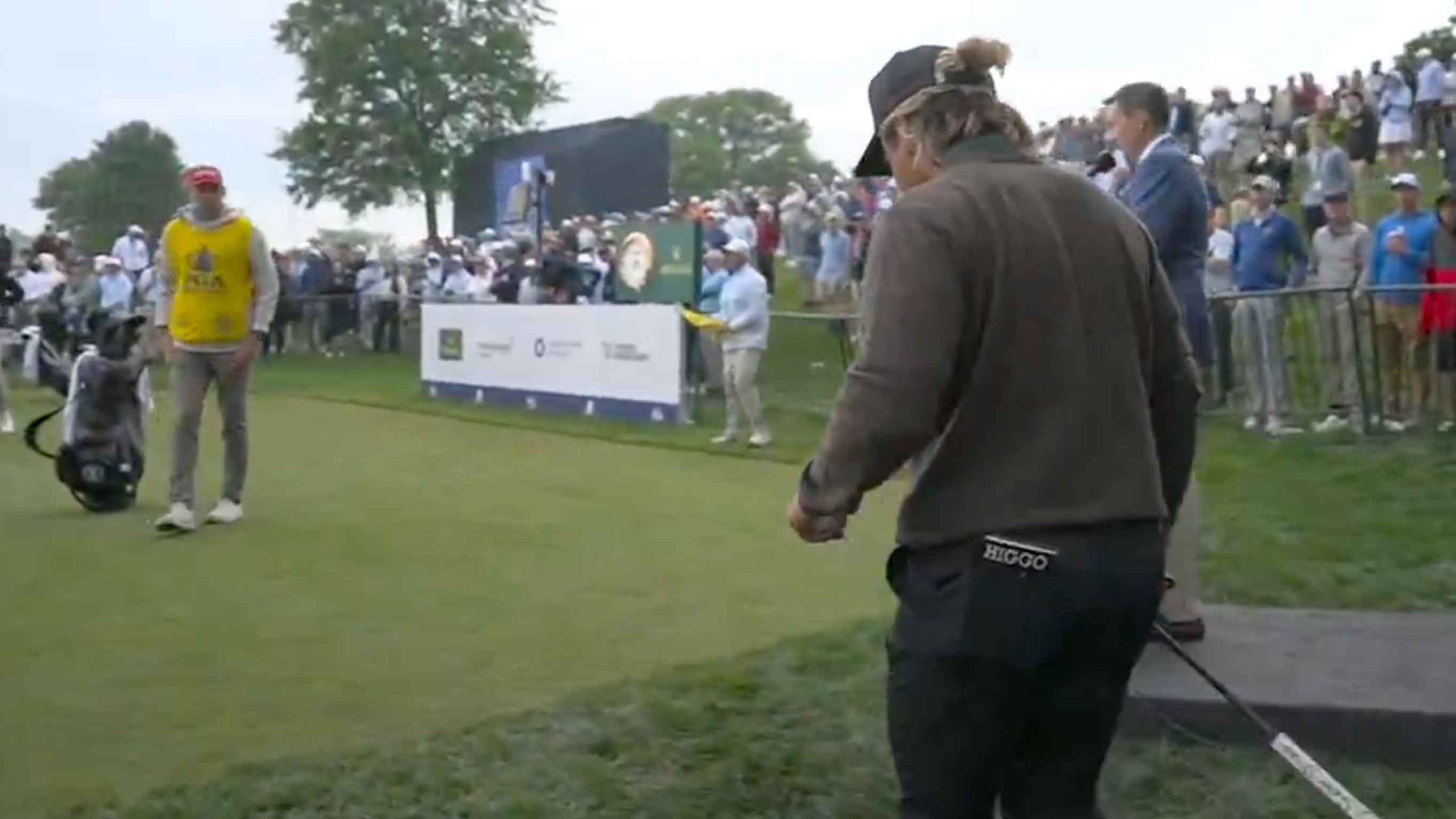
The PGA Championship often features thrilling moments and unexpected turns, but few could have predicted the unusual start to Garrick Higgo's tournament. Arriving late to the tee box, Higgo found himself in a tricky situation that would ultimately cost him dearly—two shots off the scorecard. The episode serves as a reminder of the intense pressures and challenges professional golfers face, adding an extraordinary layer to the highly competitive event.
Key takeaways
- Garrick Higgo was two shots late to his tee time at the PGA Championship.
- This late arrival drastically affected his opening round performance.
- The incident highlights the pressures and intricacies of tournament play.
- Higgo's late arrival has stirred conversation about the importance of time management on the tour.
- This event also serves as a reminder of the unique challenges golfers encounter during majors.
Context and background
In the world of golf, timing is everything. Major tournaments elicit an immense amount of pressure, and precise time management is paramount. Each golfer is expected to be present and ready, as a missed tee time can lead to severe penalties, highlighting the potential consequences of life on tour. Garrick Higgo, a promising South African talent who earned his PGA Tour card with a series of strong performances, was poised to make an impression at this year’s PGA Championship. However, few would anticipate that the careful orchestration of a golfer's schedule could unravel in such a striking fashion.
Higgo’s career has seen him rise rapidly through the ranks, notably winning the 2021 Gran Canaria Open and establishing himself as a player to watch. Coming into the PGA Championship, he had significant momentum, but the strange beginning could potentially change his trajectory this week.
A costly mistake: the full story
On Thursday, as Higgo prepared to embark on the first round of this prestigious major tournament, the distractions of a professional golf career quickly became evident. Participants are required to adhere strictly to their designated tee times, which are usually announced well in advance to ensure order and fairness throughout the championship. Unfortunately for Higgo, he did not arrive at the tee in time and, as a result, incurred a two-shot penalty.
Statistical impact: While a two-shot penalty might seem mild in other contexts, on a day filled with fierce competition, it can prove to be a significant setback. As the tournament rolled out, the difference often meant the separation between a strong finish and merely making the cut. Historical data shows that a considerable number of players in major championships struggle to recover from early setbacks. For instance, during the past three PGA Championships, players starting in the opening rounds with penalties rarely finished in the top 20. Consequently, this situation poses challenges beyond just the scorecard; it affects a player’s mental state for the remainder of the competition.
Experts noted that such incidents serve as valuable learning moments for golfers, emphasizing the importance of punctuality and focus during high-stakes events. Notably, Higgo's woes did not just stop at this singular moment—his performance on the course reflected the overall tension created by this unforeseen circumstance.
In their own words
"I was just trying to get my head in the game, but that late arrival really threw me off. It was a costly mistake, and I’ll definitely learn from it moving forward."
— Garrick Higgo
"Professional golf demands utmost precision, and being late can derail even the best-prepared players. Each shot matters, but so does every minute leading up to the tee."
— Golf Analyst
What this means for golfers
Higgo's incident serves as a crucial reminder for recreational golfers and aspiring professionals alike. The importance of punctuality extends beyond mere courtesy—it is a core element of tournament strategy that can significantly influence performance. For amateurs, the takeaway is simple: arrive early and give yourself time to mentally prepare. In competitive environments, even minor slip-ups can lead to unwelcome pressures that might hinder performance.
In terms of equipment and strategy, the need for a focused approach to the game is amplified. Players should also consider routine pre-round preparations, whether that means warming up on the driving range, practicing putting, or simply grounding themselves mentally ahead of their rounds.
What’s next
Looking forward, the implications of Higgo’s oversight raise questions about his ability to bounce back in subsequent rounds. The PGA Championship continues to pose fierce competition, and as Higgo regroups, all eyes will be on his performance in the following rounds. Upcoming tournaments will also allow him to build on this experience, focusing on time management and pressure handling as he continues to develop his career. Given the ever-evolving nature of golf, such events can significantly shape a player's trajectory—both positively and negatively.
With numerous other golfers vying for the championship title and Higgo now carrying the weight of this incident, it promises to be an intriguing narrative worth following as the PGA unfolds.

/https%3A%2F%2Fcdn.pijper.io%2F2026%2F06%2FRkUgIHk3UBT3tw1781080975.jpg)