


Intro
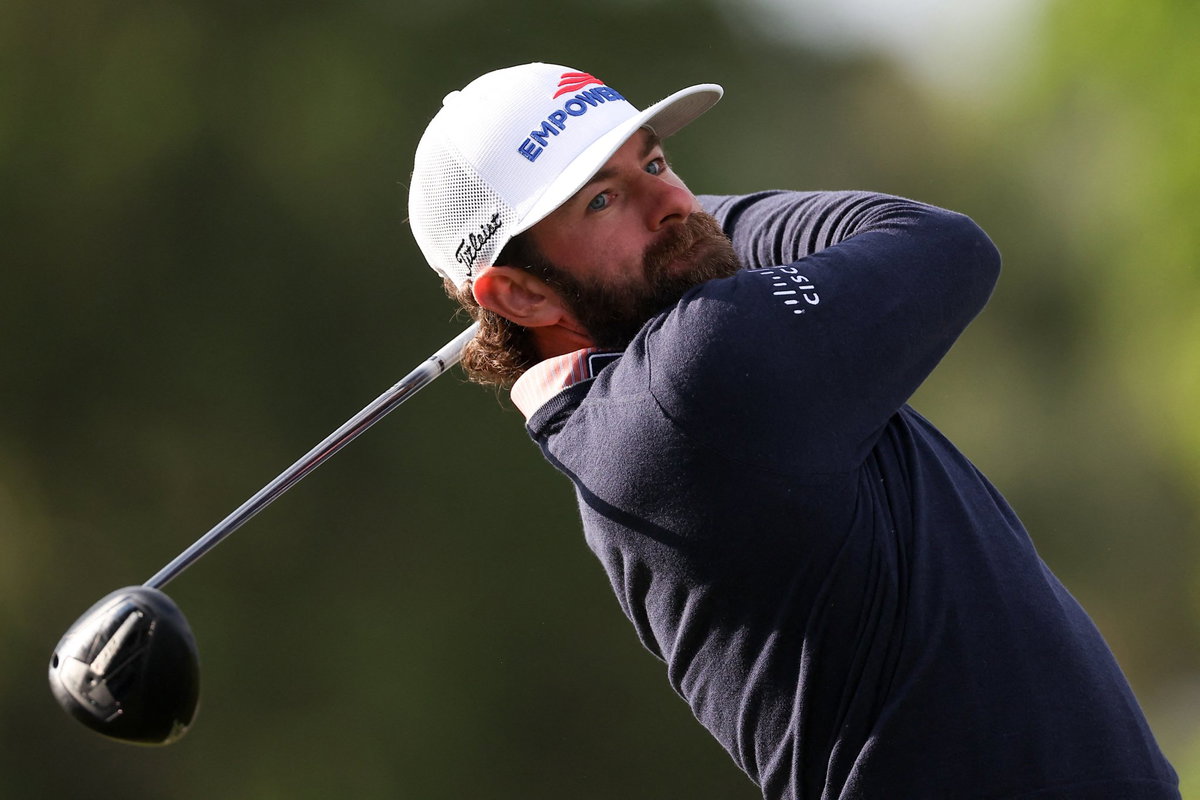
In a sport defined by constant innovation and equipment upgrades, Matt Fitzpatrick has taken a remarkably unorthodox approach to his golf game. The Englishman, who recently clinched victory at the Valspar Championship, relied on a unique mixture of old and new clubs to achieve his success. Surprisingly, among his trusted tools are 10-year-old irons that have been pivotal to his performance on the course.
Key takeaways
- Matt Fitzpatrick won the Valspar Championship using a blend of equipment spanning a decade.
- Fitzpatrick's bag features 10-year-old irons, showcasing his brand-agnostic philosophy.
- The victory further solidifies his status as an elite player on the PGA Tour.
- His success emphasizes the importance of comfort and familiarity over brand loyalty.
Context and background
Matt Fitzpatrick has been a prominent figure in professional golf since turning pro in 2014. Born in Sheffield, England, he quickly made headlines with his stellar amateur career, including winning the U.S. Amateur in 2013. His ascent on the PGA Tour has been steady, with notable victories and a growing list of accomplishments. Fitzpatrick's equipment choices have always reflected his unique approach; he has often been seen using equipment that does not conform to the typical expectations of a touring professional.
In the world of professional golf, the revolving door of equipment companies and their ever-evolving products can create an overwhelming array of choices for players. However, Fitzpatrick’s decision to utilize 10-year-old irons indicates a level of comfort and confidence that can only be achieved through years of familiarity. This practice is somewhat counterintuitive as many tour pros tend to upgrade to newer models seeking marginal gains.
Embracing the old: Fitzpatrick's unique approach
Fitzpatrick's triumph at the Valspar Championship affirms the player's belief in his trusted equipment. The success he found during the tournament highlights an intrinsic truth in golf: comfort and confidence in one’s tools often outweigh any marginal advantages that might come from the latest technological advancements. Fitzpatrick's 10-year-old irons aren't just relics of his early career—these clubs have undergone a journey with him, and their history contributes to his consistent performance.
According to industry reviewer analytics, many touring pros recalculate their equipment often, driven by a desire for greater distance and improved accuracy. Yet, Fitzpatrick's methodology diverges significantly; he finds comfort in an amalgamation of older clubs that give him a personal edge. This mixed bag speaks volumes about his playing style, which emphasizes precision and strategy over sheer power.
Fitzpatrick often emphasizes ball control and short game finesse, attributes that have served him well in various tournament settings. His playing statistics reflect consistent accuracy off the tee, drive distance, and remarkable greens-in-regulation percentages—skills that align well with the dependable feel of his outdated irons. This suggests that success in golf may indeed lie more in a player's personal relationship with their game rather than in their allegiance to the latest performance-enhancing hardware.
In their own words
"I'm just comfortable with these clubs; they feel right to me. I don’t see the need to keep chasing new models all the time."
— Matt Fitzpatrick
What this means for golfers
For recreational golfers, Fitzpatrick's approach serves as a powerful reminder of the significance of comfort and confidence over brand loyalty. While technology in golf equipment has advanced significantly, the essential dynamics of the game hinge upon an individual's personal connection to their clubs. Golfers at any level can draw inspiration from Fitzpatrick's philosophy—investing time in finding equipment that feels right can lead to improved performance and enjoyment of the game.
Moreover, those looking to optimize their own golf bags might reflect upon Fitzpatrick's example and resist the pressure to frequently update their gear. Instead, consider investing in what fits best, regardless of age or brand. Finding a suitable mix of clubs, even if they span several generations, could enhance your overall golfing experience just as it has for Fitzpatrick.
What's next
As attention shifts to upcoming tournaments, including major championships in the near future, all eyes will be on Fitzpatrick. Will he continue to experience success using his time-tested equipment? His performance at these high-stakes events will undoubtedly be scrutinized, and it could encourage other professionals to reconsider their approach to equipment. The implications mean that perhaps, in this game of subtle margins, being 'brand-agnostic' may just be the edge needed in a world increasingly dominated by cutting-edge technology. Fitzpatrick's enduring legacy will surely inspire discussions around equipment choice and personal preference in years to come.

/https%3A%2F%2Fcdn.pijper.io%2F2026%2F06%2FRkUgIHk3UBT3tw1781080975.jpg)